Challenge
Discharge data arrives too late to manage the transition
Agnotic approach
We wire ADT discharge triggers to fire early and monitor feed latency so the care team acts before the patient moves, not after.


naviHealth manages post-acute care transitions and utilization for payers and providers. We build real integrations that feed it clean discharge, referral, and authorization data — HL7 v2 ADT feeds and X12 278 prior authorization wired end to end, not just an awareness of the program.
Trusted by global innovators











naviHealth is a post-acute care management program that sits between health plans, hospitals, and post-acute providers to manage care transitions, length of stay, and site-of-care decisions. Integrating with it is less about a single public API and more about feeding it reliable operational data: ADT and discharge events from hospitals, referral and clinical documents for the transition, and prior-authorization exchange for the post-acute stay.
The non-trivial part is that this is a multi-party flow. A discharge decision touches the hospital EHR, the payer's utilization management, and the receiving SNF or home-health agency, each with its own systems and timing. We scope the exact HL7 v2 feeds, X12 278 authorization exchange, and C-CDA documents involved so the transition data is timely and complete rather than reconstructed after the fact.
See how we design multi-party post-acute integrations — hospital ADT, referral documents, and authorization exchange flowing on time.

Common failure modes
Challenge
Discharge data arrives too late to manage the transition
Agnotic approach
We wire ADT discharge triggers to fire early and monitor feed latency so the care team acts before the patient moves, not after.
Challenge
Payer 278 companion guides differ
Agnotic approach
We implement per-payer X12 278 conformance and validate against each plan's companion guide before go-live.
Challenge
Multi-party timing leaves gaps
Agnotic approach
Event-driven orchestration with explicit state for each transition and reconciliation for parties that report late.
Challenge
Unacknowledged transactions go unnoticed
Agnotic approach
X12 999 and TA1 handling with alerting so a missing acknowledgement surfaces immediately rather than silently failing.
The exact message types, transaction sets, and documents that carry post-acute transition data.
Admission, transfer, and discharge messages from hospital EHRs that signal when a post-acute transition is imminent and where the patient is going.
Health-care services review request and response transactions for post-acute authorization, plus 278N notifications, exchanged with payer utilization management.
Consolidated CDA and structured referral packages carrying the clinical summary a receiving SNF or home-health agency needs to accept the patient.
Length-of-stay, milestone, and status updates from post-acute providers feeding care-transition tracking and utilization reporting.
Secure connectivity to plan utilization-management systems with X12 999 acknowledgements and audit trails on every authorization exchange.
Structured transition and outcome data feeding readmission, length-of-stay, and site-of-care analytics for value-based programs.
Where it runs
ADT-driven surfacing of post-acute transitions from the hospital EHR.
X12 278 authorization exchange with plan utilization systems.
Referral and C-CDA handoffs so receiving providers can accept the patient.
Live status and length-of-stay tracking across the transition.
Readmission and site-of-care analytics for risk-bearing programs.
Multi-party orchestration across hospital, payer, and post-acute systems.
Post-acute transitions are multi-party and time-sensitive. We treat feed reliability and authorization exchange as real deliverables.

Health Insurance Portability and Accountability Act
Protect PHI with privacy-first architecture, encrypted storage and transmission, strict access controls, and traceable audit logs.

General Data Protection Regulation
Implement lawful consent flows, data minimization, retention controls, and secure processing for sensitive health data.

Fast Healthcare Interoperability Resources
Enable standardized health data exchange across apps, care teams, and systems through robust FHIR-ready APIs.

Health Level Seven International
Support enterprise-grade interoperability with HL7-based integrations for records, events, and clinical messaging workflows.

Health Information Trust Alliance
Align security programs to healthcare-specific control and risk management practices trusted by providers and ecosystem partners.

Health Information Technology for Economic and Clinical Health Act
Design with breach notification readiness, digital record safeguards, and operational controls that support regulated care programs.

FDA Software as a Medical Device
Plan software quality, traceability, and documentation pathways for products that may require SaMD review and submission.

Medical Device Regulation (European Union)
Prepare EU market-ready processes for risk classification, evidence tracking, and lifecycle governance under MDR expectations.

Substance Abuse and Mental Health Services Administration
Apply confidentiality controls and consent-aware sharing models for behavioral and mental health data experiences.
Standards we build against
We treat connectivity setup, authorization exchange, and go-live as parallel tracks so post-acute data flows on time.
We map the parties, feeds, and transactions in the transition — ADT, X12 278, C-CDA — and the timing each one requires before build.
We establish secure connectivity to hospital feeds and payer utilization-management endpoints and confirm transaction specifications and test data.
We build the HL7 v2 handlers, X12 278 exchange, and C-CDA parsing, validating against synthetic and partner-supplied transactions.
Phased cutover with transition dashboards, acknowledgement tracking, and alerting for missed discharge or authorization events.
Interface table
How we approach the main data flows — method, typical timeline, and the friction to expect.
| Data flow | Method | Typical timeline | Notes |
|---|---|---|---|
| Discharge events | HL7 v2 ADT | 3–6 weeks | Timing is everything; validate that discharge triggers fire before the patient moves. |
| Prior authorization | X12 278 / 278N | 4–8 weeks | Payer companion guides vary; conform to each plan's implementation. |
| Referral documents | C-CDA exchange | 4–6 weeks | Inbound parsing plus outbound generation for receiving providers. |
| Post-acute status | HL7 v2 / structured feed | 3–6 weeks | Milestone and LOS data from SNF and home-health systems. |
| Acknowledgements | X12 999 / TA1 | 2–3 weeks | Non-negotiable for auditable EDI; wire it in from the start. |
Timelines assume connectivity is granted and payer companion guides are available. Multi-party coordination drives the schedule more than engineering.
naviHealth isn't the subject here, but Lera Health is honest proof of the same discipline: standards-based data flows, a privacy-first data layer, and a compliant, integration-heavy platform delivered end to end.
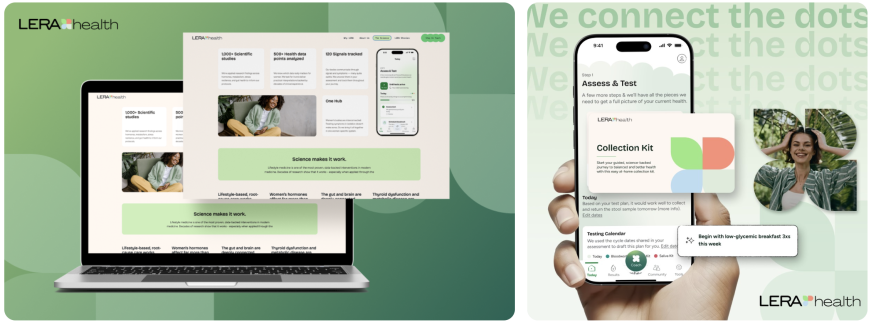
We bring the multi-party integration and EDI discipline that care-transition data actually requires.
HIPAA and X12 transaction standards designed into the integration from the start, with audit trails on every authorization exchange.
We understand utilization management, prior authorization, and site-of-care decisions — your team won't be explaining the transition workflow to ours.
We design feeds to deliver discharge and authorization data on time, so transitions are managed live instead of pieced together afterward.
One accountable team across discovery, build, QA, and monitoring, with a named engineer for feed and transaction issues.

Real integrations, not just familiarity.
Tell us the parties and transactions you need to connect. We'll return a realistic plan with the connectivity timeline and authorization-exchange scope.
contact@agnotic.com
Partnerships
contact@agnotic.com