

Cycle, symptom and pregnancy tracking
Logging flows, reminders and trend views. Any prediction is shown with plain language about its limits, and that wording is approved by your clinicians.


Founders building for fertility, pregnancy, menopause or PCOS need an app that users trust with very personal data. Agnotic Technologies designs and builds femtech apps with privacy controls, clinical review points and integrations planned from the first release.
15-Minute Scoping CallProducts Delivered Successfully



Femtech app development is the design and engineering of software for women's health needs such as menstrual cycles, fertility, pregnancy, menopause and PCOS. Agnotic Technologies builds these apps for founders and care providers, with consent, access controls and audit logging for reproductive health data designed in from the first release, and HIPAA-ready engineering where HIPAA applies.
Most buyers are founders launching a direct-to-consumer app, clinics and virtual care companies adding a women's health service line, and health plans or employers running maternal or fertility programs. Each of them falls under different privacy rules, so the first scoping question is always who offers the app and who holds the data.
This work is part of our wider healthcare software development practice, with the extra care that reproductive health data calls for.
We build apps across six condition areas, plus workplace women's health programs for employers. Each one has its own page that covers the features, data and workflows that area needs.

Broad reproductive and sexual health products, from care content and contraception support to wellness apps, built on one privacy-first foundation.
Femtech app development company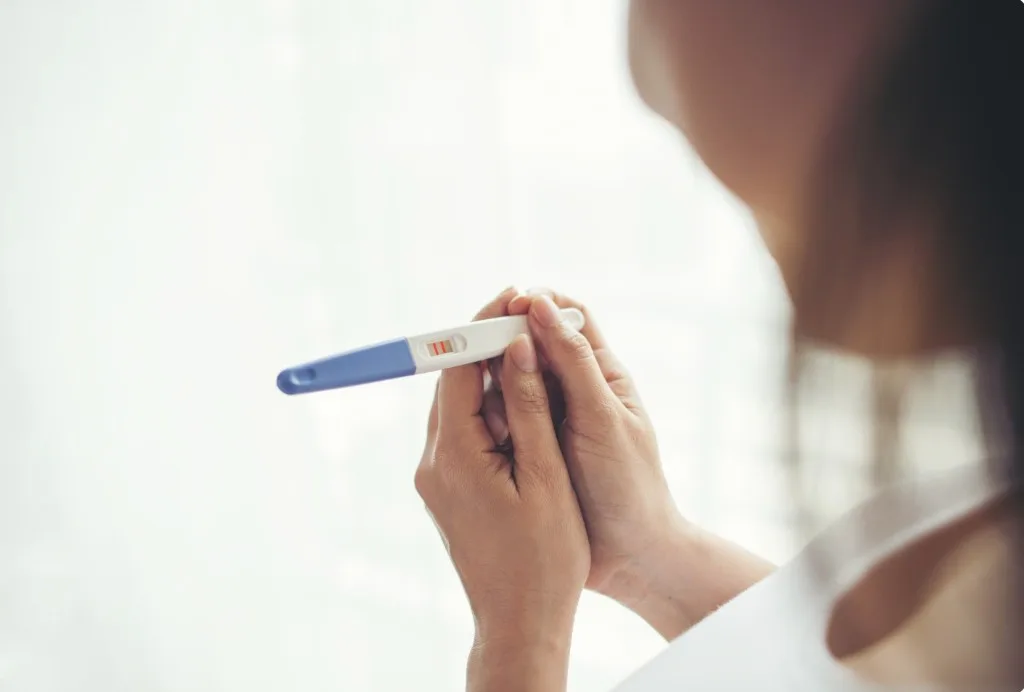
Cycle and ovulation tracking, fertility treatment journeys and clinic communication, with careful handling of the most sensitive reproductive data.
Fertility app development
Pregnancy and postpartum apps with remote monitoring, education, symptom check-ins and clear escalation paths to a care team.
Maternal health app development
Symptom tracking, care content and long-term engagement for perimenopause and menopause, with clinical review built into every content change.
Menopause app development
Period and symptom tracking with clear consent, data minimization, and export and deletion controls that users can actually find.
Menstrual health app development
Symptom, lifestyle and lab result tracking for people living with PCOS, plus care team collaboration without unsafe medical claims.
PCOS app development
Fertility, menopause and return-to-work programs offered by employers and benefits providers, with employer reporting kept to aggregate numbers.
Workplace women's health platformsMost femtech apps combine a few of the same building blocks. We scope which ones your first release needs and build them so later features fit without a rewrite.
Logging flows, reminders and trend views. Any prediction is shown with plain language about its limits, and that wording is approved by your clinicians.
A content library with versioning and a sign-off step. Checking content against clinical guidance, such as that published by ACOG, is your clinical team's job; we build the review workflow and the record of who approved what.
Secure messaging, scheduling and video visits, with role-based access so clinicians, coaches and support staff each see only what their role needs.
Apple HealthKit and Health Connect on Android, plus connected devices such as blood pressure cuffs and scales for pregnancy monitoring, with permission asked per data type.
Dashboards with alerts and escalation rules for care teams, and aggregate program reporting for employers or health plans that never exposes an individual's record.
Granular consent, data export, account deletion and limited-data modes, built as product features rather than buried settings.
A femtech app usually spans four layers: the patient app, the services behind it, a data layer with consent and sensitivity controls, and integrations with wearables, labs and EHRs. The diagram shows the reference architecture we start from and adapt for each product.
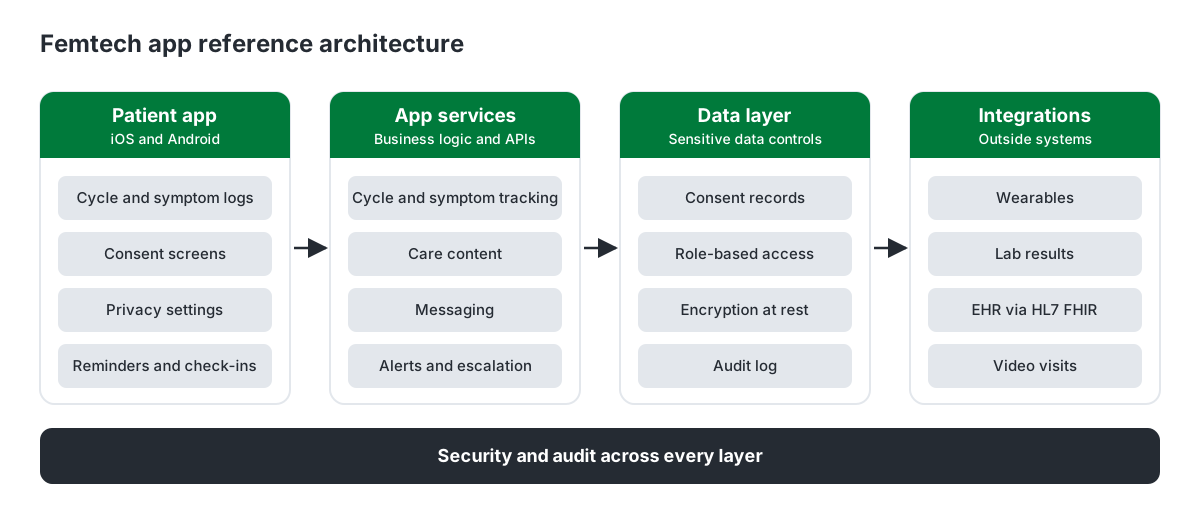
Native or cross-platform mobile apps with consent screens, privacy settings and offline-safe logging.
Cycle and symptom tracking, care content, messaging and the care team dashboard, each behind its own access rules.
Consent records, sensitive data controls, encryption at rest and an audit log of access to sensitive records.
Wearables through Apple HealthKit and Health Connect, lab results, and EHRs through HL7 FHIR R4 and SMART on FHIR.
When a care team needs app data in the patient's chart, the integration layer does that work; our EHR integration services page covers it in detail.
Treat every cycle log, pregnancy status and fertility record as highly sensitive, whether or not HIPAA applies. In practice that means four engineering decisions made before the first screen is built.
Role-based access with least privilege, separate admin and clinical roles, and no reproductive health data sent to advertising or analytics tools without the user's consent.
An audit log of who viewed or changed sensitive records, kept apart from application logs, which never contain health data.
Encryption in transit and at rest, managed keys, and field-level encryption for the most sensitive fields, such as pregnancy status.
A business associate agreement with every vendor that handles protected health information when HIPAA applies, and a review of every SDK and cloud service that receives user data.
The rules depend on who offers the app and where its users are. Use this table to prepare for the conversation with your counsel; it is not legal advice.
| If your app | Rules that usually apply | What it changes in the build |
|---|---|---|
| Is offered by or for a HIPAA covered entity, such as a provider or health plan | HIPAA Privacy, Security and Breach Notification Rules, enforced by the HHS Office for Civil Rights | Business associate agreements, Security Rule safeguards and a documented risk analysis |
| Is a direct-to-consumer app outside HIPAA that holds health data | FTC Health Breach Notification Rule and the FTC Act | A breach response plan that also covers unauthorized disclosures, and strict control of third-party SDKs |
| Has users in US states with consumer health data laws, such as Washington's My Health My Data Act | State consumer health data laws | Consent before collecting and sharing health data, and working deletion requests |
| Has users in the European Union | GDPR, which treats health data as a special category of personal data | A lawful basis and explicit consent for health data, plus access and erasure requests |
| Makes diagnostic or treatment claims | FDA rules for device software functions may apply | A review of intended use and claims before the build is scoped |
For the wider picture, see our healthcare compliance software development work and our guide to HIPAA requirements for software teams.
Scope depends mostly on which privacy rules apply, how many platforms you launch on and how many systems the app must talk to. These drivers change the work far more than the number of screens does, so we size a project only after the scoping call.
| Driver | Why it changes the effort |
|---|---|
| Privacy rules that apply | HIPAA, the FTC Health Breach Notification Rule, state laws and GDPR each add controls, documentation and vendor checks. |
| Platforms | iOS, Android, web and a care team dashboard are separate surfaces to design, build and test. |
| Integrations | Wearables, lab results, EHRs, payments and video visits each bring their own APIs, approvals and failure cases. |
| Clinical content and review | More conditions and more content mean more review steps and versioning before anything reaches users. |
| Care delivery features | Messaging, scheduling and escalation rules need staff roles, alerting and support processes behind them. |
| An existing app or data | Moving users from a current product means migrating history and consent records without losing either. |
| AI features | Symptom insights or chat assistants need evaluation, guardrails and human review before they reach users. |
Every engagement follows the same three steps, so you always know what is being built next and why.
We learn your users, condition focus and business model, then agree the first-release features, the integrations and the privacy questions your clinical and legal advisers need to settle.
One agreed set of features, built and tested end to end with consent, access controls and audit logging in place, then released to your first users.
More conditions, platforms and integrations as the product grows, with monitoring and support under agreed terms.
These case studies cover women's health products Agnotic Technologies has worked on. Each case study page describes the scope and the build in more detail.
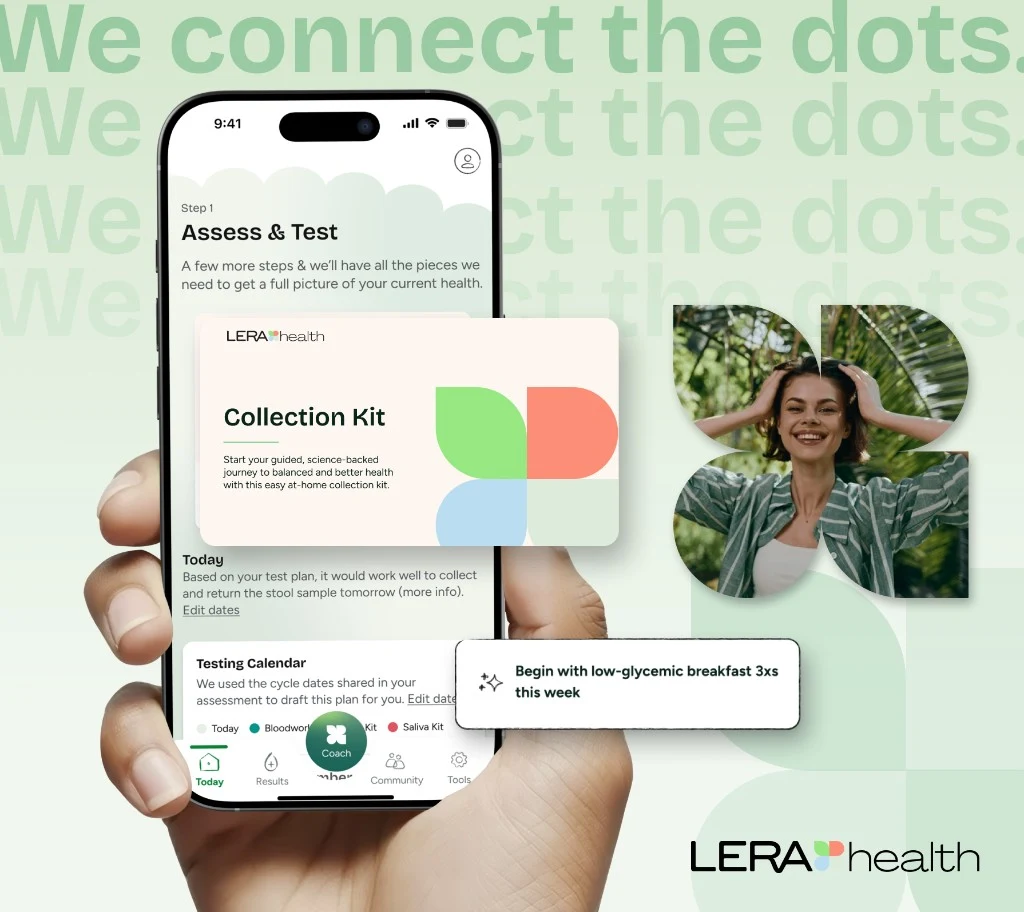
A women's health product experience focused on guided care journeys, education, and compliance-aware workflows to support long-term engagement.
Read the LERA Health case study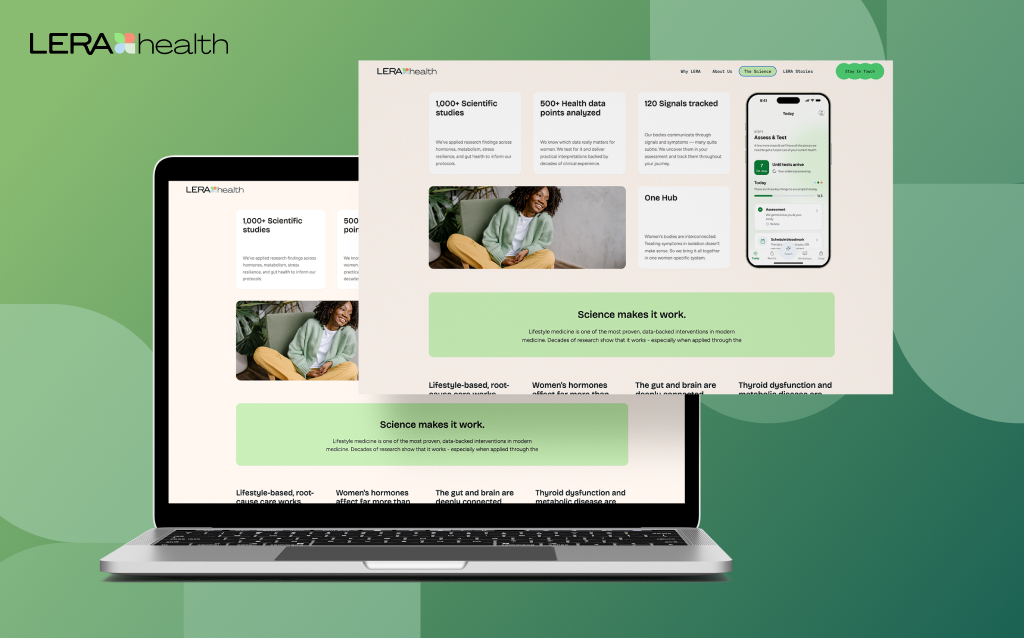
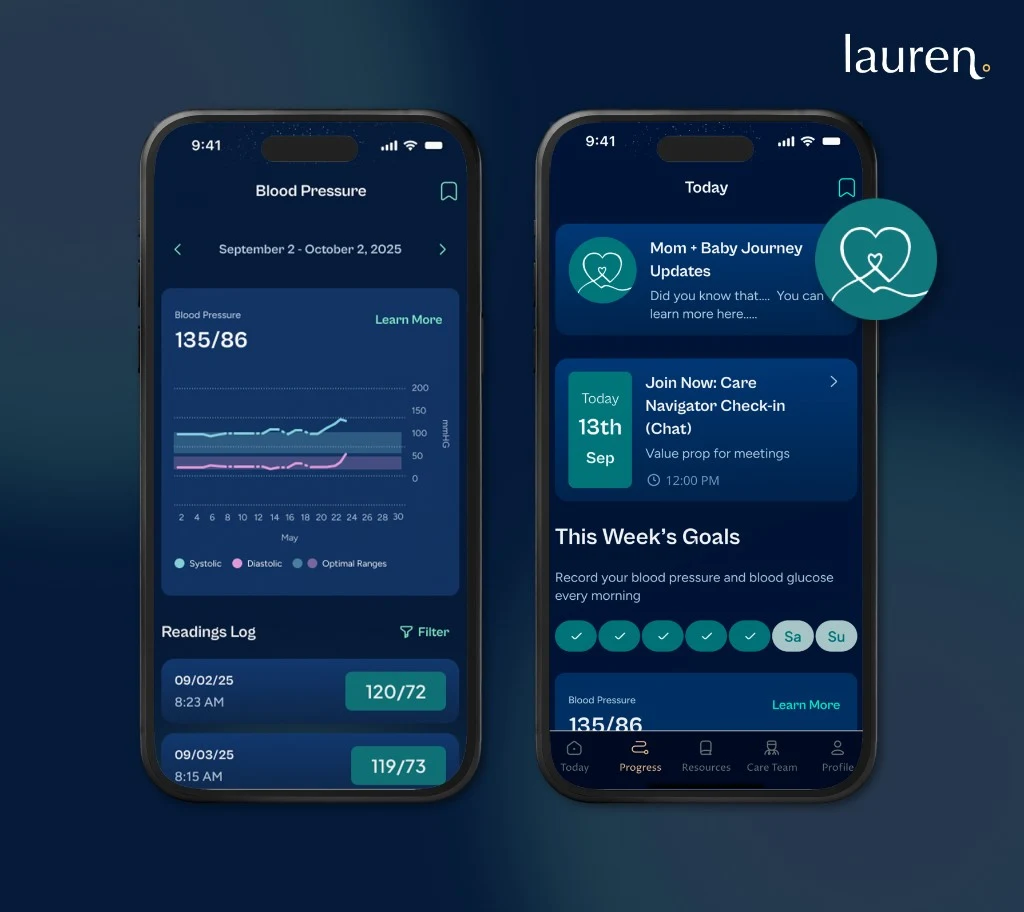
A maternal health platform built for HealthEvolve with patient mobile experiences, provider dashboards, remote monitoring, and personalized care journeys.
Read the My Lauren maternal health case study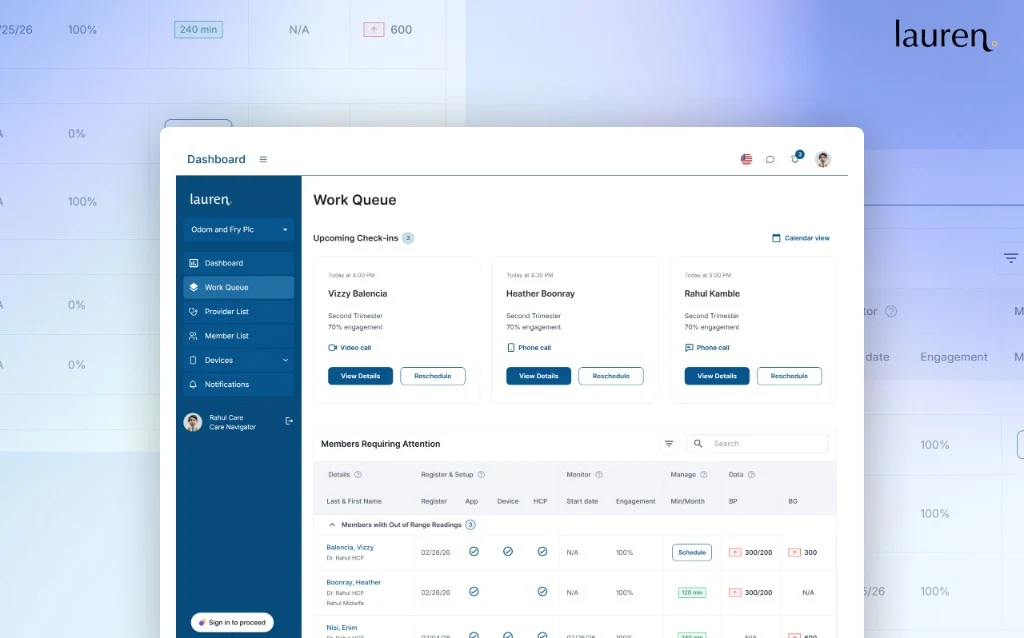
Short facts about the rules that most often apply to women's health apps, each linked to its primary source.
The FTC Health Breach Notification Rule requires vendors of personal health records and related entities to notify consumers after a breach of unsecured identifiable health information.
Source: 16 CFR Part 318 (eCFR)Amendments to the FTC Health Breach Notification Rule that took effect in July 2024 make clear that makers of health apps and connected devices must comply, and that a breach includes an unauthorized disclosure, not only a cybersecurity intrusion.
Source: FTC, Complying with the FTC's Health Breach Notification RuleUnder the FTC Health Breach Notification Rule, notice to affected individuals must go out without unreasonable delay and no later than 60 calendar days after the breach is discovered.
Source: FTC, Complying with the FTC's Health Breach Notification RuleThe FTC Health Breach Notification Rule does not apply to HIPAA covered entities, such as hospitals, doctors' offices and health insurers, or to businesses acting only as their business associates.
Source: FTC, Complying with the FTC's Health Breach Notification RuleThe HIPAA Security Rule requires administrative, physical and technical safeguards for electronic protected health information.
Source: 45 CFR Part 164 Subpart C (eCFR)We don't just build products; we forge lasting partnerships. See how we've helped industry leaders transform their vision into technical reality.

“I can clearly see how Agnotic has a unique way of handling end-to-end development. They are always active on quick chat and provide support quickly.”

Aaron Phelan
Founder, Benchmark

“Agnotic combines deep technical expertise with strong domain knowledge. They understand the business context, anticipate challenges, and make collaboration smooth and effective.”

John Pasmore
Founder, Latimer

“Agnotic is the best technical team we evaluated. Their engineering excellence made our work dramatically easier and allowed us to stay focused on what matters most for maternal care outcomes. They took full ownership of the technical execution, and we are always happy to continue working together.”

Kim Smith
Founder, My Lauren
Bring your condition focus, your target users and what you already know about your data rules. We will turn that into a first-release scope and a short list of privacy questions to settle before the build starts.