

AI strategy workshop
Gain clarity on your GenAI idea, business value, and implementation path from scope and goals to execution steps.


Launch generative AI products that improve customer experience, automate content, and speed up decision-making.
15-Minute Scoping CallGenerative AI demos are easy to make; features that hold up with real users and real data are not. Agnotic Technologies builds GenAI features into your product, with evaluation and guardrails from the first release.
Trusted by global innovators









GenAI development is building software features that use large language models or other generative models to draft, summarize, answer questions or extract data, connected to your own systems and content. Agnotic Technologies builds GenAI features for startups and enterprises, with retrieval, evaluation sets, guardrails and cost controls designed in from the first release.
Gain clarity on your GenAI idea, business value, and implementation path from scope and goals to execution steps.
Receive AI development from scratch or adaptation of existing solutions for your business tasks.
Integrate GenAI capabilities smoothly with your current infrastructure to enhance functionality and performance.
Get expert guidance on planning and deploying generative AI solutions aligned with your business objectives.
Our GenAI development services cover the features below, each built into your product and tested against your own data.
Enhance support and reduce operational cost by automating routine interactions with GenAI-powered assistants.
Save time and reduce manual effort by automating document management with AI-powered extraction and understanding.
Accelerate ML delivery when datasets are limited or sensitive by generating high-quality synthetic data.
Deliver individualized experiences at scale by tailoring content and recommendations for each user.
GenAI development helps boost performance, reduce routine work, and create more advanced, personalized user experiences.
Automate repetitive tasks to boost speed, reduce errors, and free your team for high-impact work.
Deliver AI-tailored content and interactions that match customer preferences and business goals.
Reduce manual effort with AI-driven tools while maintaining service quality and reliability.
Support developers with AI to speed up coding and improve productivity across delivery cycles.
Turn complex datasets into insights that support faster decisions and stronger outcomes.
Automate complex workflows to remove delays, streamline tasks, and scale operations.
Most generative AI features start by prompting a hosted model, add retrieval when answers must come from your documents, and fine-tune only when a format or style cannot be reached. Agnotic Technologies chooses the approach per feature, from your data and its processing rules.
Instructions and a few examples are sent to a provider's model through its API. It is the quickest way to find out whether a feature works at all.
The system searches your content first and passes the relevant passages to the model, so answers come from, and cite, your own documents.
A model is trained further on your examples so it follows a format, tone or label set more consistently than prompting alone.
An openly licensed model runs in your own cloud account or data center, with prompting, retrieval or fine-tuning on top.
A generative AI application in production runs on six layers: model access, inference serving when self-hosted, a retrieval store, a gateway, evaluation and monitoring, and the network and keys around them. Agnotic Technologies designs this AI application infrastructure per feature.
How the application reaches a model: a provider's hosted API, a cloud AI platform in your account, or an open-weight model you run yourself.
The layer a hosted API hides. A model server batches requests so the GPU stays busy, scales replicas on GPU capacity and queue depth rather than CPU load, and rolls out a new model version to a small share of traffic before the rest.
The index of your documents and records that retrieval-augmented features search before the model answers, kept current as sources change.
One entry point between your applications and every model: API keys held centrally, routing between models, rate limits, and logs of prompts and responses.
Test sets run before every prompt or model change, and production checks on quality, safety and cost after release.
Private network paths to model endpoints, encryption keys you control, and which services fall under your provider's BAA for health data.
Short facts we design, test and secure generative AI features around, each linked to its primary source.
The NIST AI Risk Management Framework is a voluntary framework that organizes AI risk work into four functions: Govern, Map, Measure and Manage.
Source: NIST AI 100-1In July 2024, NIST released the Generative AI Profile (NIST AI 600-1), a companion to the AI RMF that helps organizations identify risks specific to generative AI and proposes actions to manage them.
Source: NIST AI 600-1The OWASP Top 10 for LLM Applications (2025) ranks prompt injection first: user prompts that alter a model's behavior or output in unintended ways.
Source: OWASP GenAI Security Project, LLM01:2025The OWASP Top 10 for LLM Applications (2025) lists sensitive information disclosure (LLM02) as the risk that LLMs embedded in applications expose personal data, health records, confidential business data or credentials through their output.
Source: OWASP GenAI Security Project, LLM02:2025With a diverse technology stack, we deliver solutions using a technology-Agnostic approach to meet your unique needs.

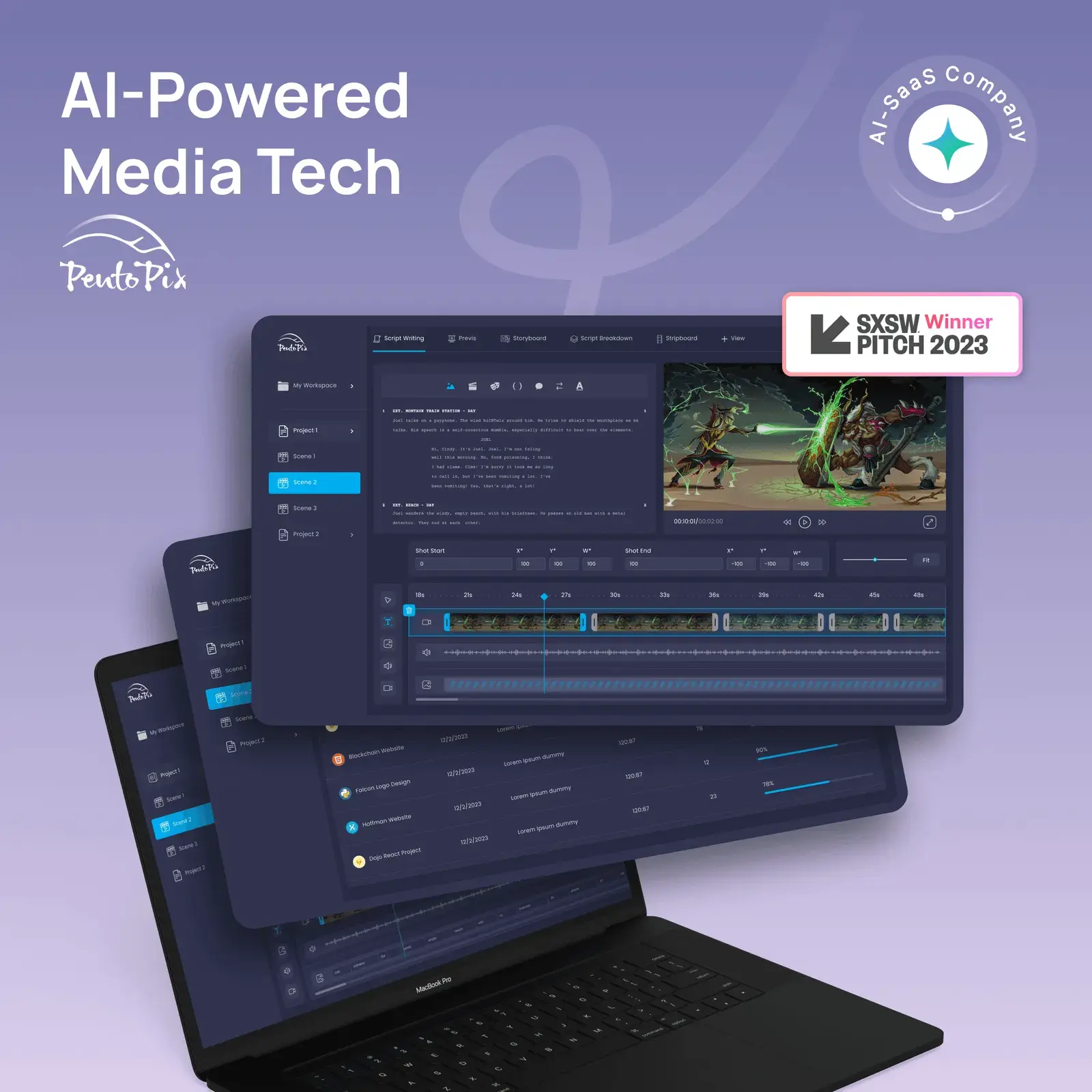
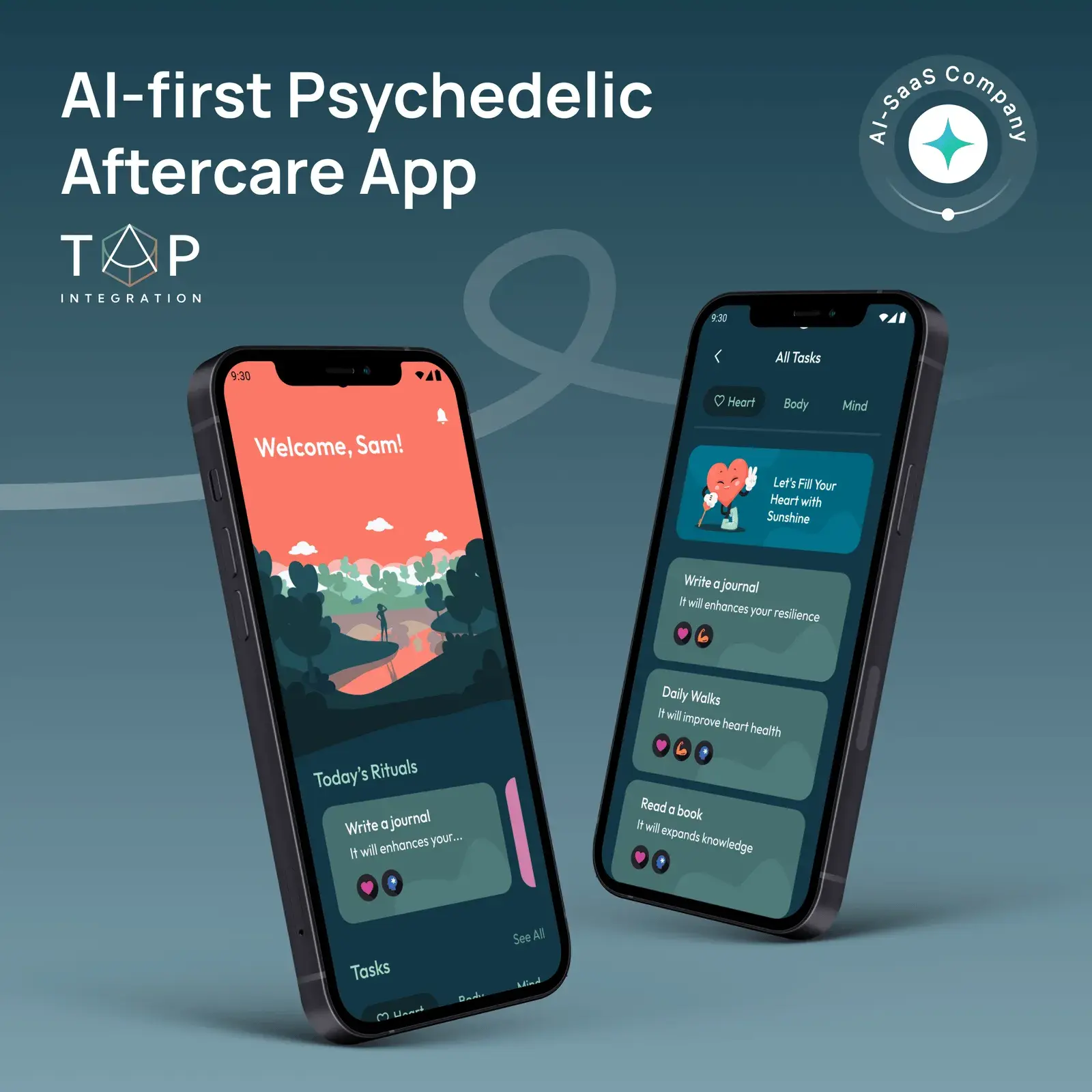
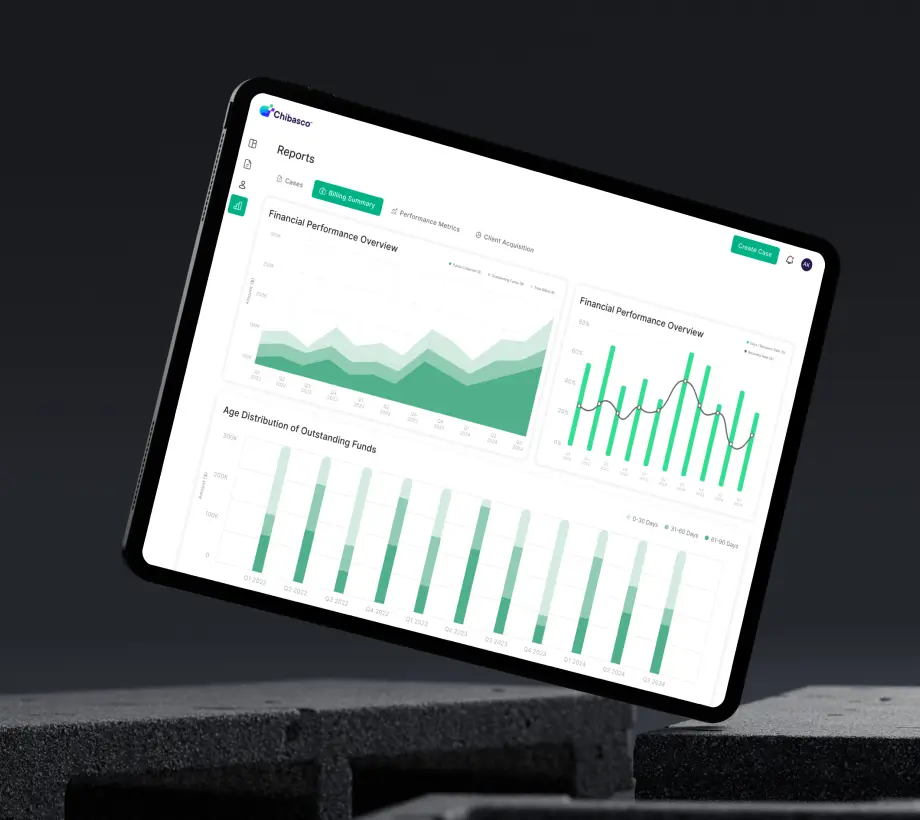
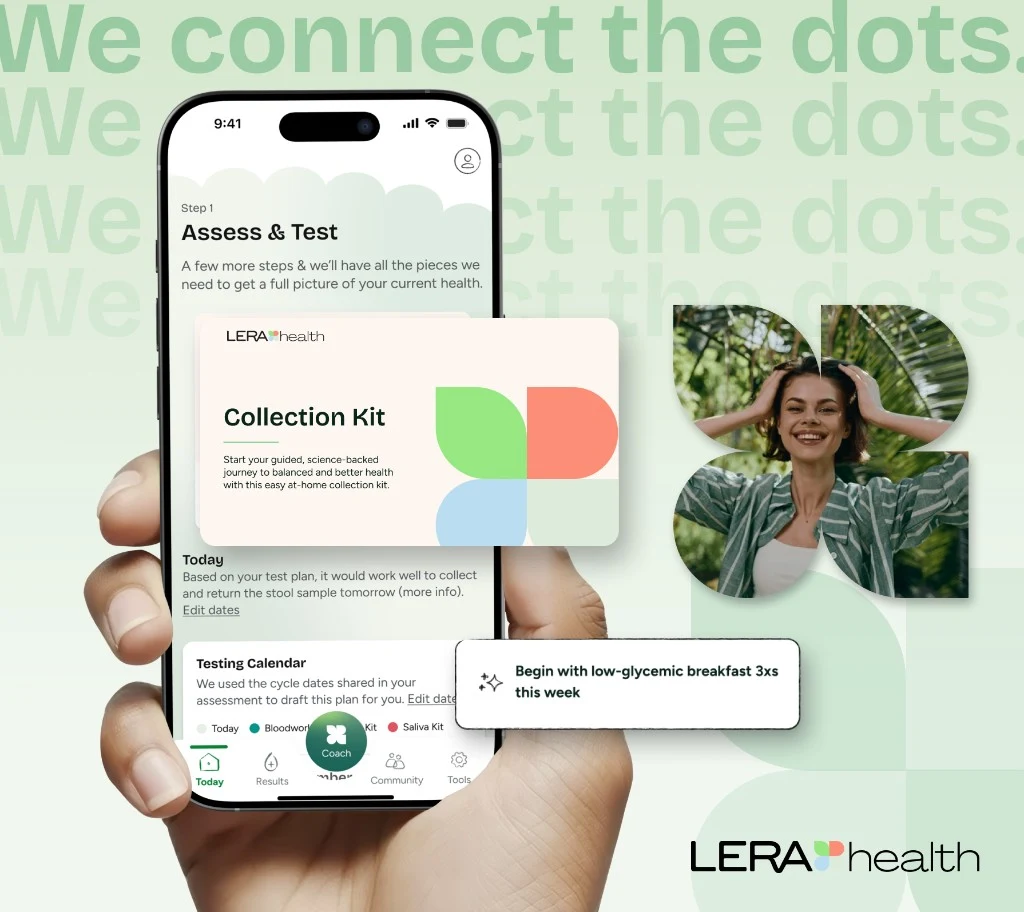
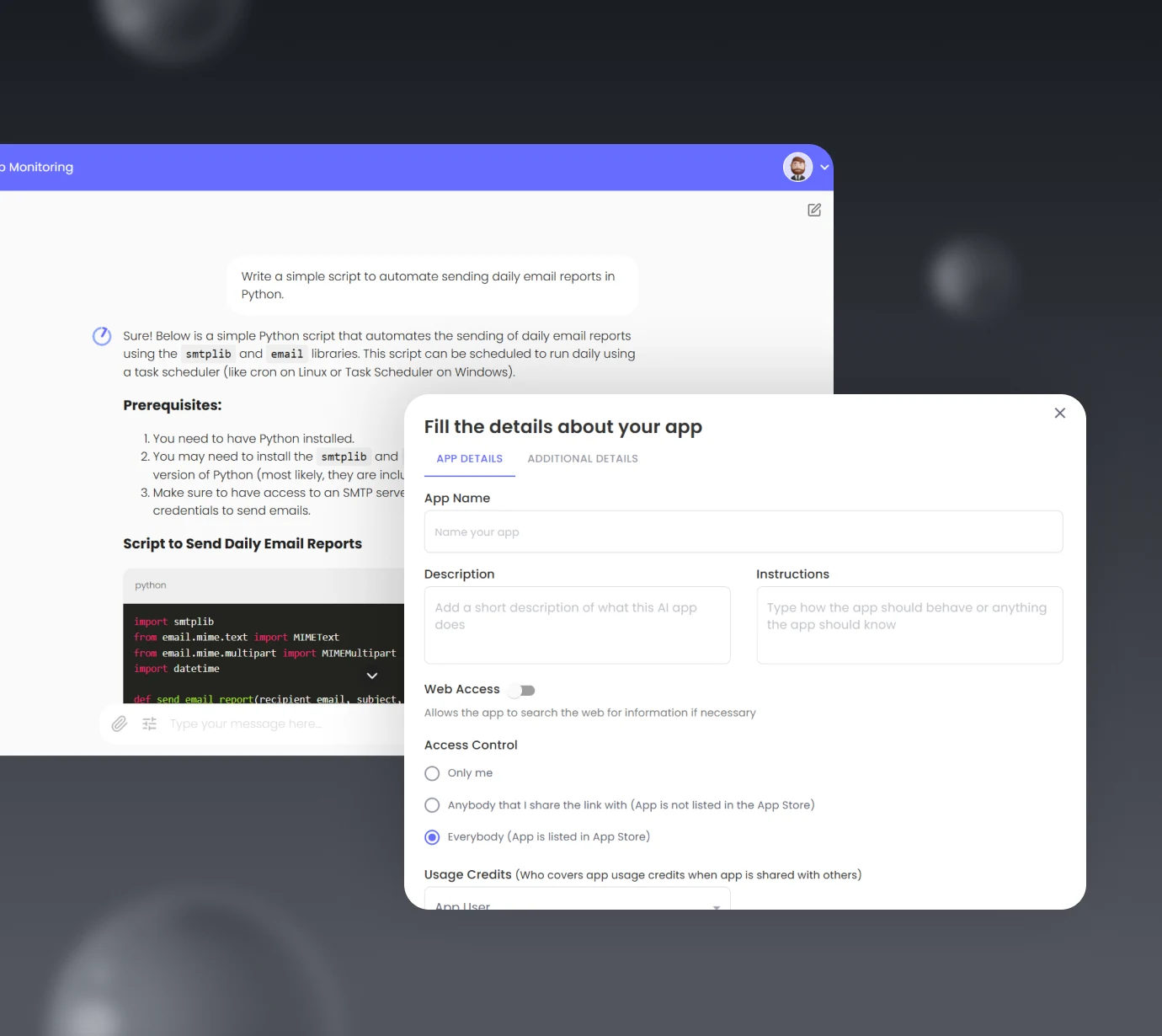
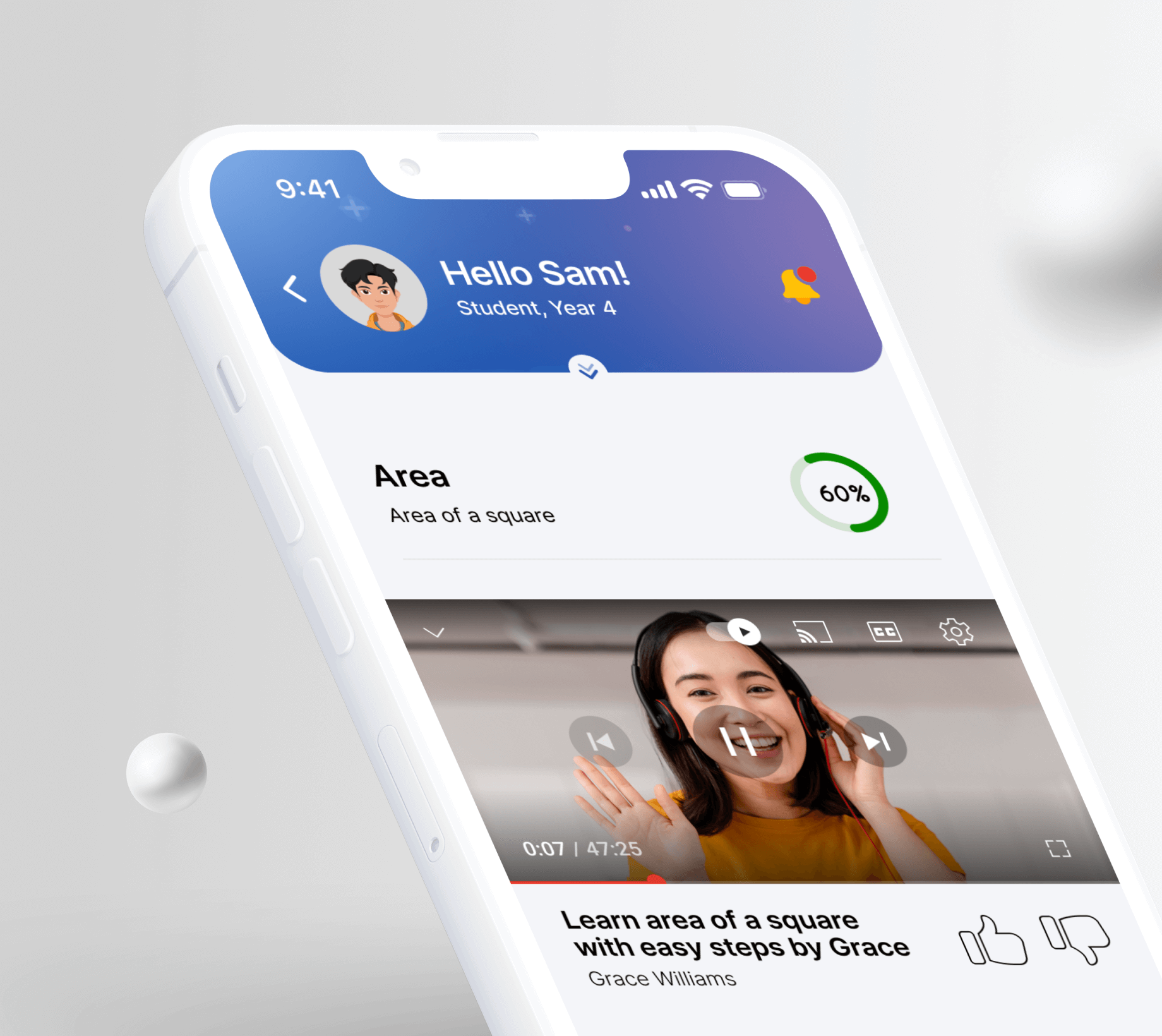
By adopting AI-assisted development, you can significantly reduce team size and development costs while maintaining the same speed, quality, and reliability of delivery.
FTE
FTE
Part time
AI Agents
We use AI-powered tools and automation frameworks to speed up every stage of the software development lifecycle.
AI tools that assist engineers with code generation, refactoring, and documentation through contextual suggestions and inline reasoning.


Multi-agent frameworks that enable coding assistants and context-aware workflow orchestration across CI/CD pipelines.


Tools and systems for processing, analyzing, and transforming large unstructured datasets.


Cloud and containerized environments that host, secure, and monitor Artificial Intelligence-assisted workflows.


We don't just build products; we forge lasting partnerships. See how we've helped industry leaders transform their vision into technical reality.
“I can clearly see how Agnotic has a unique way of handling end-to-end development. They are always active on quick chat and provide support quickly.”

Aaron Phelan
Founder, Benchmark