EHR / EMR integration
Primary use case — bidirectional data flow between your app and the EHR of record.

FHIR integration across R4, R5, and R6 — US Core profiles, SMART on FHIR launch, and Bulk FHIR $export — connecting your product to Epic, Cerner, athenahealth, and modern health systems with HIPAA-ready, correctly-scoped pipelines.
Trusted by global innovators











FHIR (Fast Healthcare Interoperability Resources) is HL7's modern, resource-oriented API standard for exchanging health data over REST. It models clinical data as Resources — Patient, Encounter, Observation, MedicationRequest — and is the layer modern EHRs, payers, and patient apps increasingly expose. The version matters: R4 is what most systems run in production today, R5 is emerging, and R6 is on the horizon, so a durable integration is built against R4 with a clear path forward.
The real work is conformance, not calls. US Core profiles, terminology binding (SNOMED, LOINC, ICD-10, RxNorm), scoped SMART on FHIR access, and per-system coverage gaps all determine what's actually buildable. We assess the target system's FHIR capability statement up front, then build read/write and Bulk FHIR $export flows that reach production instead of passing only in a sandbox.
What FHIR is
FHIR (Fast Healthcare Interoperability Resources) is HL7's modern standard for how health data is structured, shared, and accessed across systems via RESTful APIs. It replaces — or augments — bulk message-based approaches with real-time, resource-oriented endpoints.
FHIR supports JSON, XML, and HTTP. It models clinical data as Resources (Patient, Observation, MedicationRequest, etc.), supports events, documents, and APIs, and enables developers to build mobile and cloud apps against any compliant system.
A blueprint for connecting your platform over FHIR — REST resource access, SMART on FHIR launch, HL7 v2 compatibility, and the auth, terminology, and monitoring layers production needs.

We name the exact FHIR surface and version up front — because that determines what's buildable, and by when.
Read and write against FHIR R4 (today's production target), with R5 support where systems expose it and an R6-aware migration path — Patient, Encounter, Observation, MedicationRequest, DocumentReference, and more.
Conformance to US Core profiles and USCDI data classes, plus custom implementation-guide profiles and extensions, so data validates against the constraints regulators and partners expect.
EHR and standalone SMART on FHIR launch with scoped OAuth2 (patient/*, user/*, system/*) for apps that call FHIR endpoints inside the chart.
Population-level extraction via the Bulk FHIR $export operation for analytics, quality measures, and research pipelines.
Bidirectional HL7 v2 ↔ FHIR mapping for hybrid deployments where legacy feeds and modern APIs have to coexist.
SNOMED CT, LOINC, ICD-10, and RxNorm resolution, plus interface health dashboards and failed-call alerting so a throttled or malformed FHIR request is caught before it becomes a clinical gap.
Where it runs
Primary use case — bidirectional data flow between your app and the EHR of record.
SMART-on-FHIR patient apps with authenticated access to clinical data.
FHIR-native cloud deployments on Azure, AWS, and GCP health platforms.
FHIR-integrated telehealth with real clinical context during visits.
FHIR bulk export as source for analytics and research.
Integration with payer, lab, and specialty APIs via FHIR.
Architecture options
We pick based on where data lives, message volume, and whether event-driven flows matter.
FHIR is the modern standard for health data exchange. Our FHIR practice is tuned for the production realities of Epic, Cerner, and the broader ecosystem.

Health Insurance Portability and Accountability Act
Protect PHI with privacy-first architecture, encrypted storage and transmission, strict access controls, and traceable audit logs.

General Data Protection Regulation
Implement lawful consent flows, data minimization, retention controls, and secure processing for sensitive health data.

Fast Healthcare Interoperability Resources
Enable standardized health data exchange across apps, care teams, and systems through robust FHIR-ready APIs.

Health Level Seven International
Support enterprise-grade interoperability with HL7-based integrations for records, events, and clinical messaging workflows.

Health Information Trust Alliance
Align security programs to healthcare-specific control and risk management practices trusted by providers and ecosystem partners.

Health Information Technology for Economic and Clinical Health Act
Design with breach notification readiness, digital record safeguards, and operational controls that support regulated care programs.

FDA Software as a Medical Device
Plan software quality, traceability, and documentation pathways for products that may require SaMD review and submission.

Medical Device Regulation (European Union)
Prepare EU market-ready processes for risk classification, evidence tracking, and lifecycle governance under MDR expectations.

Substance Abuse and Mental Health Services Administration
Apply confidentiality controls and consent-aware sharing models for behavioral and mental health data experiences.
Standards we build against
Capability assessment, mapping, and access run as parallel tracks so the integration reaches a real system on a predictable timeline.
We read the target system's FHIR capability statement, confirm the version (R4/R5), the US Core profiles in play, and the resources and scopes you need before any code is written.
We provision sandbox credentials, register the SMART app, and validate OAuth2 launch and scope approval against the vendor's test data.
We build the FHIR read/write flows, US Core-conformant mapping, HL7 v2 transformation where needed, and Bulk FHIR export, validating against synthetic and partner-assisted data.
Phased production rollout with interface health dashboards, failed-call alerting, and version-compatibility monitoring as the ecosystem moves toward R5/R6.
FHIR vs HL7
FHIR builds on earlier HL7 standards but is fundamentally different in architecture. Here's when each fits.
| Dimension | HL7 v2 | FHIR R4 |
|---|---|---|
| Architecture | Message-based feeds | RESTful APIs |
| Data format | Pipe-delimited text | JSON, XML |
| Access pattern | Bulk / event-driven messages | On-demand resource access |
| Implementation effort | Mature tooling, rigid format | Easier to implement and scale |
| Fit | Legacy EHR, clinical events | Mobile, cloud, modern apps |
| Our default | Support where required | Target for new builds |
Most modern builds run FHIR-first with HL7 v2 as a compatibility surface for legacy systems.
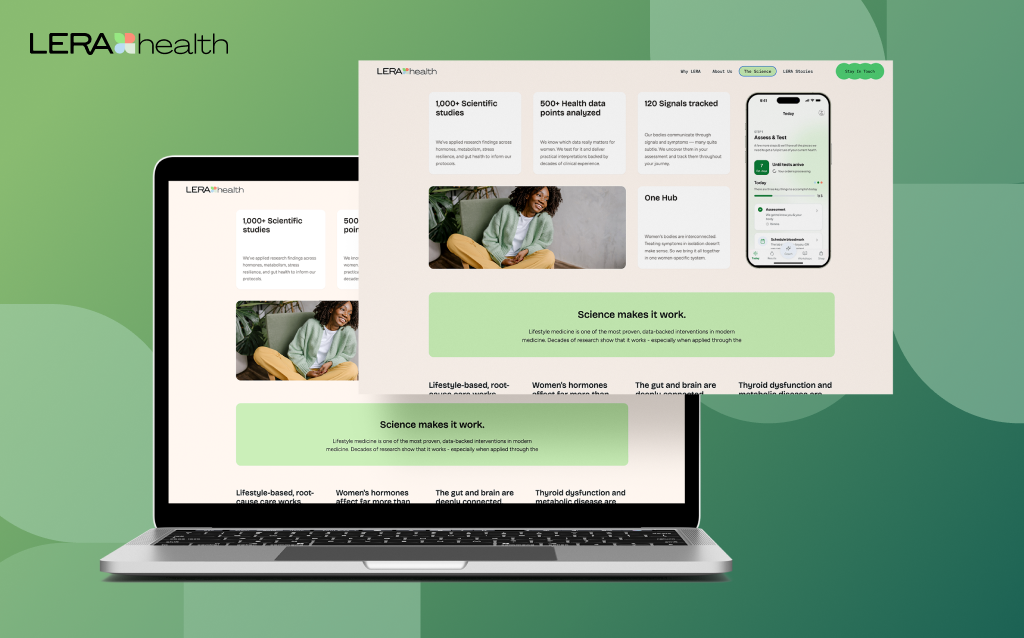
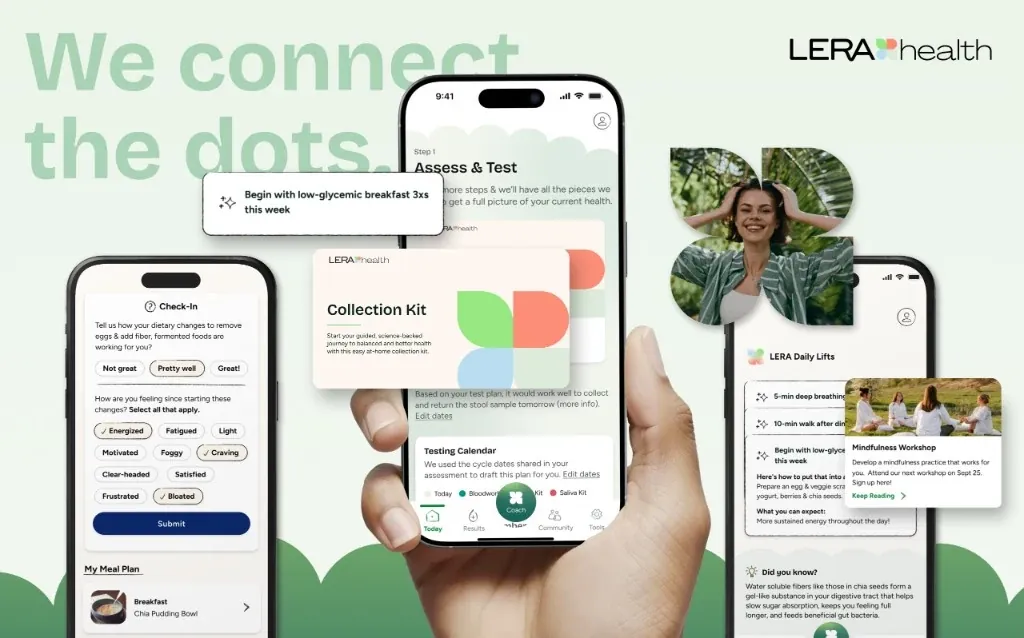
Related proof of standards-based delivery: for Lera Health we built a privacy-first data layer and testing-to-insights workflow end to end, modeling clinical data in a standards-aligned way — the same discipline a production FHIR integration demands.
Unlock real-time interoperability. Tell us your target EHRs and resource needs, and we'll return a scoped FHIR integration plan.
contact@agnotic.com
Partnerships
contact@agnotic.com