



Chatbot Development
Customers want answers outside office hours, and support teams want fewer repeat questions. Agnotic Technologies builds chatbots that answer from your approved content, use your systems and hand off to live agents.
What is chatbot development?
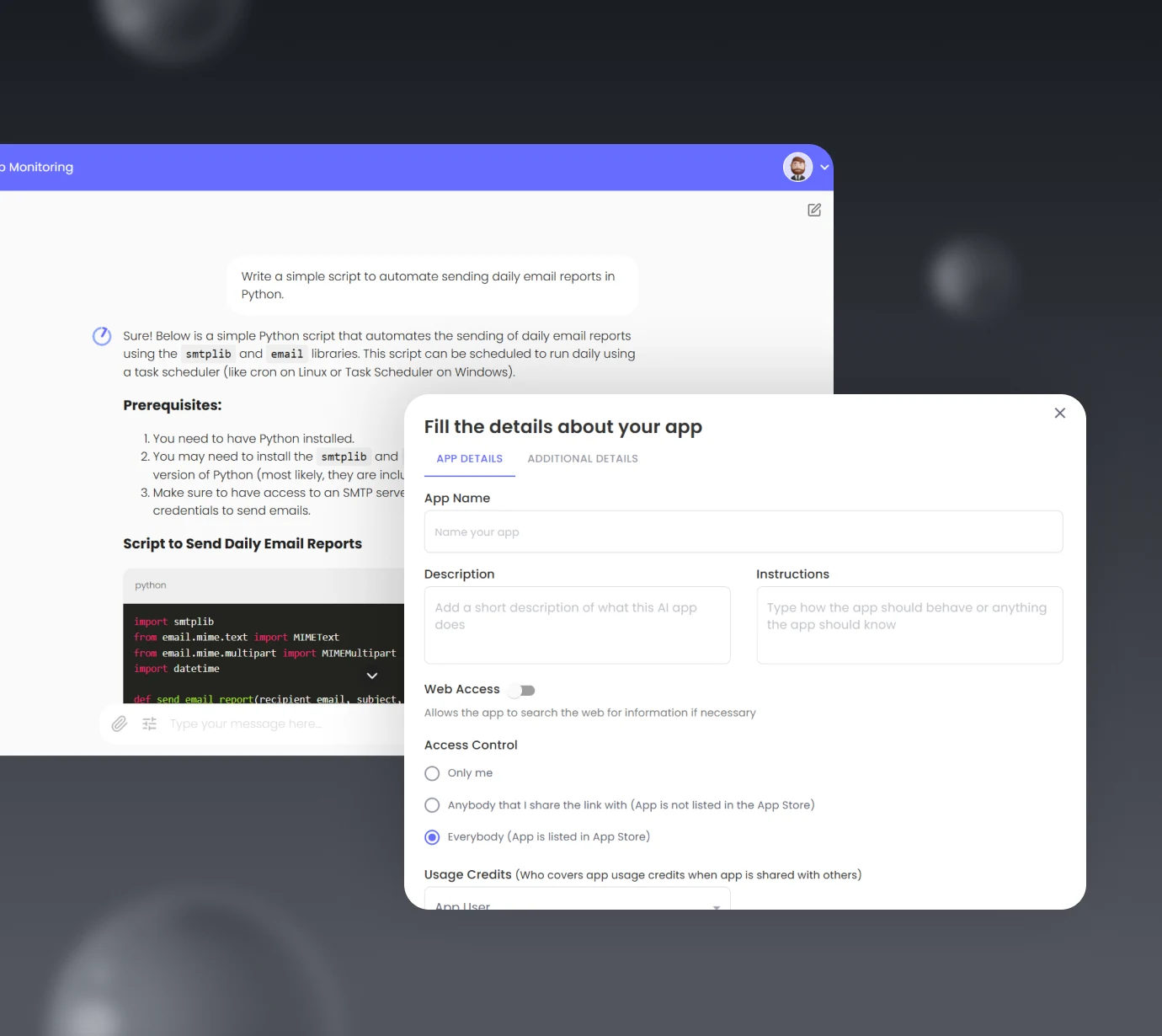
Chatbot development is designing, building and testing software that answers people in a chat window on a website, in an app or in a messaging channel. Agnotic Technologies builds chatbots that answer from your approved content, look up records through your systems, and hand the conversation to a live agent when a person is needed.
Customer support chatbots
Bots that answer routine questions from your approved help content, at any hour, and hand complex ones to your team.
AI assistants on large language models
Assistants built on a large language model, grounded in your documents and limited to the actions you allow.
Website, app and messaging channels
One chatbot deployed to your website, mobile app and messaging channels, with the same answers in each.
CRM and help desk integration
Lookups and updates in your CRM or help desk, and a handoff to a live agent with the full transcript.
Real-Time Projects
How do we build a chatbot?
From the questions your customers ask to a tested bot in your channels, with a handoff to your team.
Question review
We read real customer questions and agree which ones the bot answers and which go to a person.
Content and integrations
We connect the bot to your approved content and the systems it needs, such as your CRM or help desk.
Build and test
We test the bot against real questions, including attempts to misuse it, before launch.
Launch with handoff
The bot goes live in your channels with a handoff to live agents.
Review and improve
We review transcripts and handoffs, then update the content and flows.
Teams that trust our chatbot work





Global businesses trust Agnotic to deliver reliable, compliant software that drives success and fosters growth.
We Are Technology-Agnostic
With a diverse technology stack, we deliver solutions using a technology-Agnostic approach to meet your unique needs.
Wireframe & Ideation

User Experience
Voice of success
We don't just build products; we forge lasting partnerships. See how we've helped industry leaders transform their vision into technical reality.
“I can clearly see how Agnotic has a unique way of handling end-to-end development. They are always active on quick chat and provide support quickly.”

Aaron Phelan
Founder, Benchmark
Live chat, a chatbot or both?
Most support teams need both live chat and a chatbot: the chatbot for routine questions with clear answers, and a person for complaints, account changes and anything that needs judgement. Agnotic Technologies builds the chatbot and the handoff, so customers never repeat themselves.
The chatbot handles order status, policy questions and after-hours requests. Complaints and account changes that need identity checks go to a live agent, with the bot collecting the details first.
How should a chatbot hand over to a live agent?
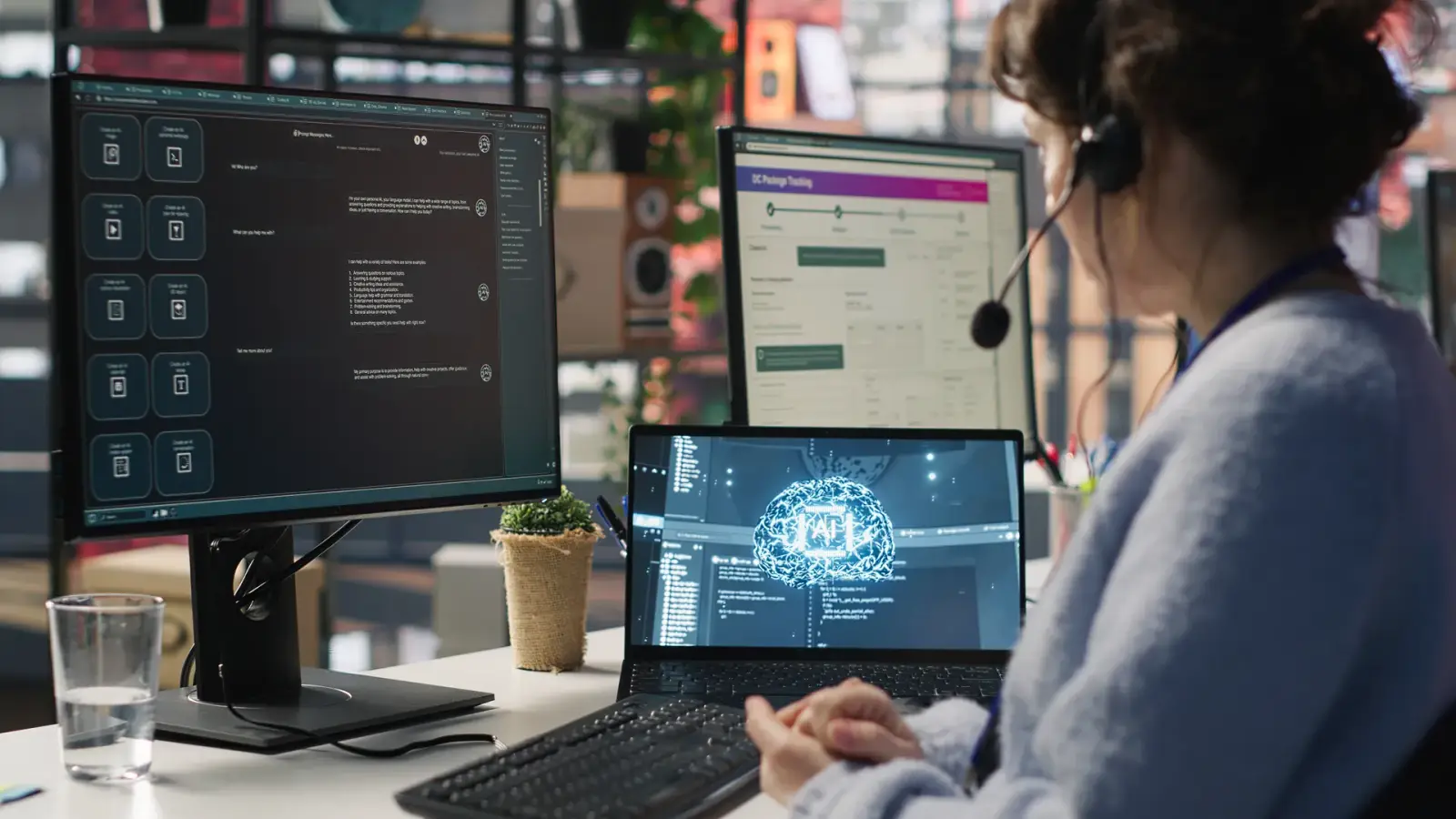
A chatbot should hand over to a live agent with the full transcript and collected details, and tell the customer a person is joining. Agnotic Technologies builds this handoff into your live chat or help desk tool, so the agent starts where the bot stopped.
Customers can ask for a person at any point. Outside staffed hours, the bot says when an agent will reply, and every handoff is logged with its reason so you can see what the bot should learn next.
Which frameworks guide chatbot risk?
Short facts we design, test and run chatbots around, each linked to its primary source.
The NIST AI Risk Management Framework is a voluntary framework that organizes AI risk work into four functions: Govern, Map, Measure and Manage.
Source: NIST AI 100-1In July 2024, NIST released the Generative AI Profile (NIST AI 600-1), a companion to the AI RMF that helps organizations identify risks specific to generative AI and proposes actions to manage them.
Source: NIST AI 600-1The OWASP Top 10 for LLM Applications (2025) ranks prompt injection first: user prompts that alter a model's behavior or output in unintended ways.
Source: OWASP GenAI Security Project, LLM01:2025OWASP defines excessive agency as the vulnerability that lets an LLM application take damaging actions in response to unexpected, ambiguous or manipulated model output, usually caused by excessive functionality, permissions or autonomy.
Source: OWASP GenAI Security Project, LLM06:2025
Chatbot development FAQs
Let's build your Chatbot Development.
Tell us where you are and what you're building. We'll map the fastest, most reliable path to a production-ready result, and how we'd approach it.