



What is DevOps?
DevOps is a way of building and running software where development and operations work as one team, automating testing, deployment and infrastructure so changes ship often and safely. Agnotic Technologies sets up CI/CD pipelines, infrastructure as code, monitoring and incident response, including in regulated healthcare.
How does DevOps work?
DevOps works as a loop. Every code change runs through automated builds and tests, is deployed by a pipeline instead of by hand, and is monitored in production so problems surface quickly. Infrastructure is defined as code, so environments are repeatable, and security checks run inside the pipeline rather than at the end.
CI/CD pipelines
Automated builds, tests and deployments, so every change can be released safely and rolled back quickly.
Cloud infrastructure
Infrastructure on AWS, Microsoft Azure or Google Cloud, sized for your load and budget.
Infrastructure as code
Environments defined in Terraform or CloudFormation, so they are repeatable and reviewable.
Containers and orchestration
Docker and Kubernetes for consistent environments from a laptop to production.
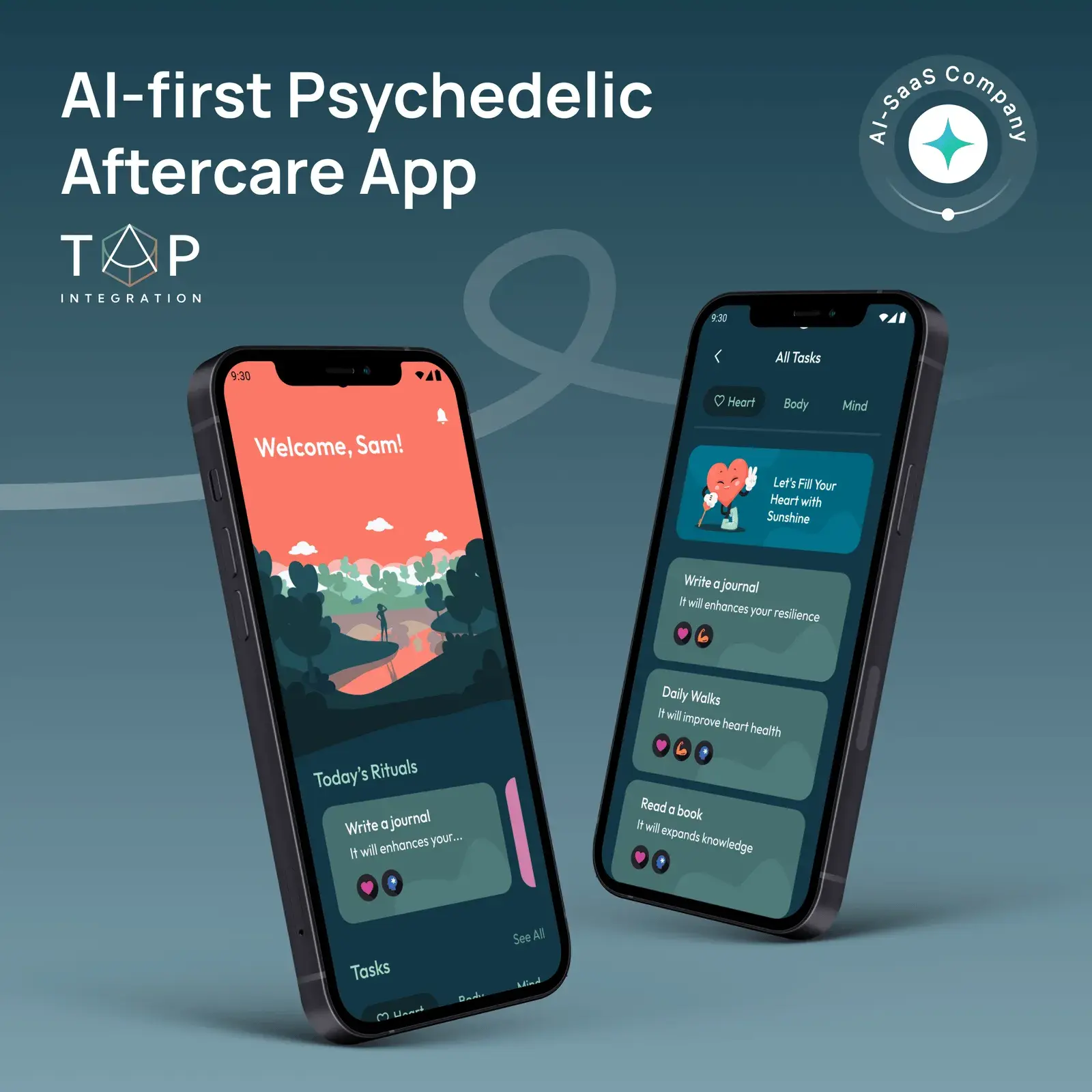
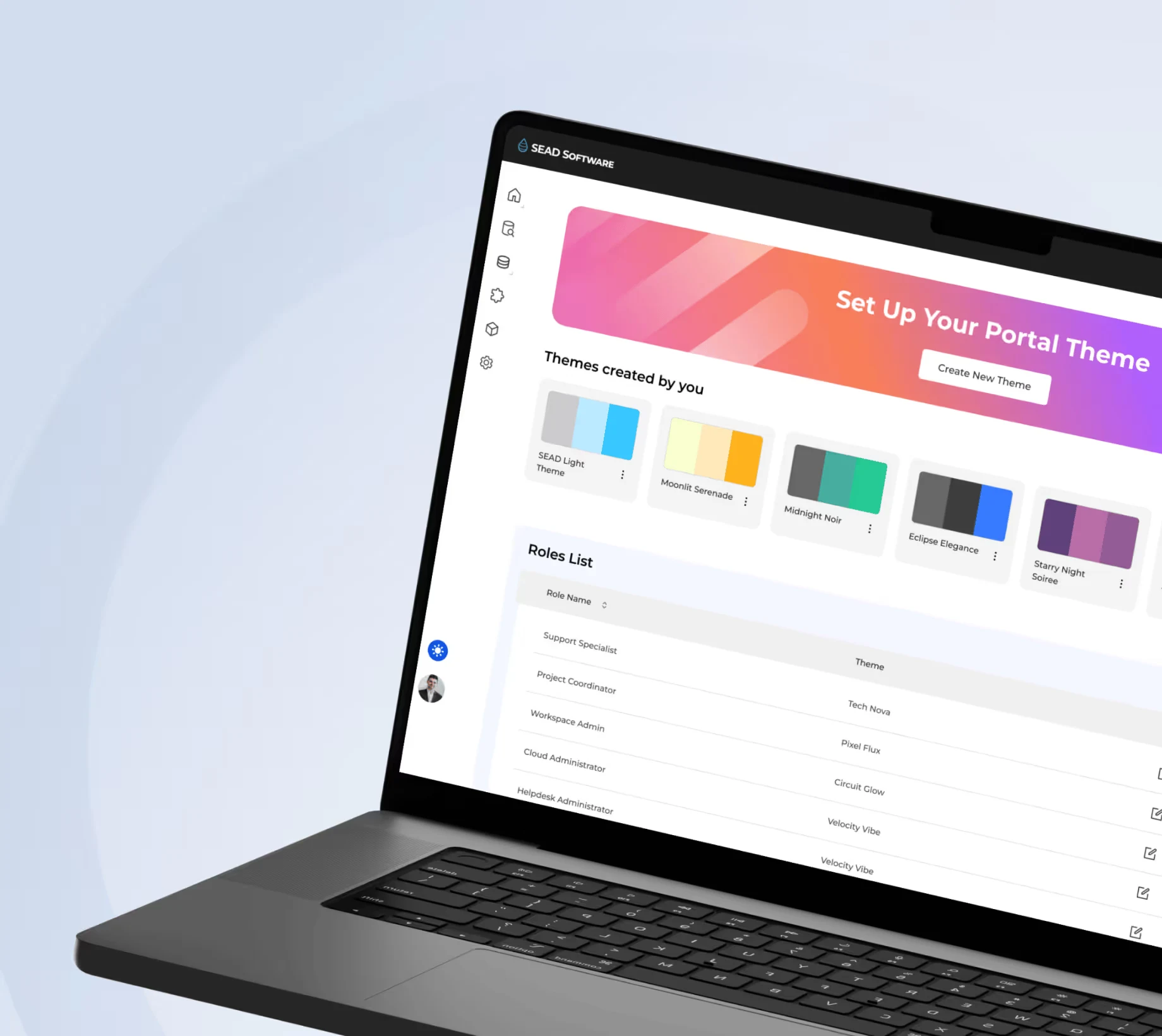
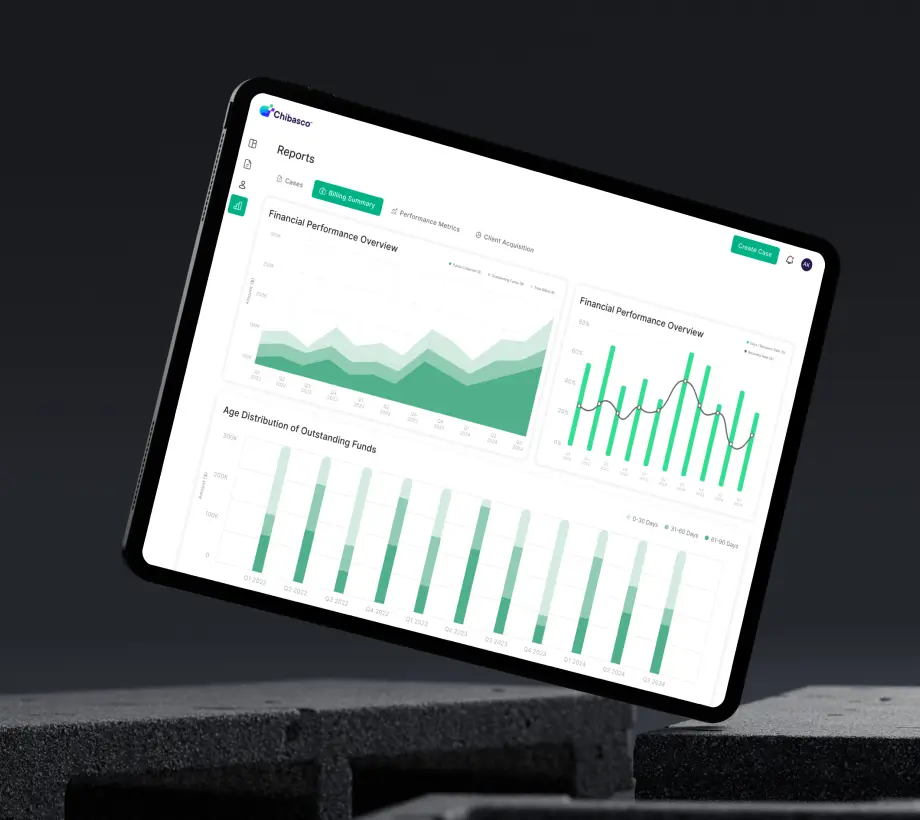
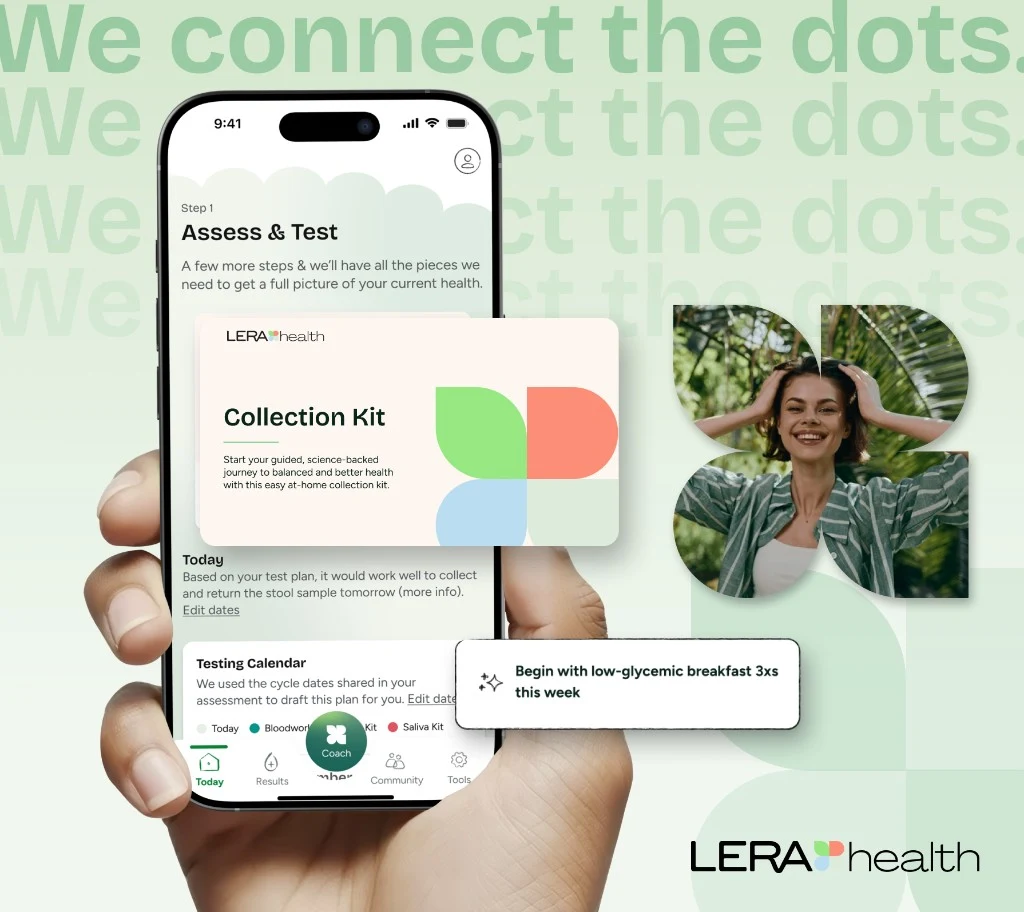
Real-Time Projects



Why does DevOps matter for software projects?
Smaller, automated releases make problems easier to find and fix, and take the fear out of deploy day.
Assess
We review your current pipeline, environments, incidents and release pain points.
Pipeline
CI/CD with automated tests and security scans on every change.
Infrastructure as code
Environments rebuilt as code, so staging matches production.
Monitoring and alerting
Metrics, logs and alerts that catch problems before users do.
Handover
Runbooks and training so your team can run it, with our support if you want it.
Who trusts us with DevOps?






Global businesses trust Agnotic to deliver reliable, compliant software that drives success and fosters growth.
We Are Technology-Agnostic
With a diverse technology stack, we deliver solutions using a technology-Agnostic approach to meet your unique needs.
Wireframe & Ideation

User Experience
Voice of success
We don't just build products; we forge lasting partnerships. See how we've helped industry leaders transform their vision into technical reality.
“I can clearly see how Agnotic has a unique way of handling end-to-end development. They are always active on quick chat and provide support quickly.”

Aaron Phelan
Founder, Benchmark

“Agnotic combines deep technical expertise with strong domain knowledge. They understand the business context, anticipate challenges, and make collaboration smooth and effective.”

John Pasmore
Founder, Latimer
How would we build a CI/CD pipeline for a fintech product?
Automated build, test and deployment workflows, with security scans and approvals inside the pipeline instead of manual release steps.
The goal is smaller, more frequent releases that are easy to roll back. We agree the measures, such as deployment frequency and change failure rate, with you before work starts.

Infrastructure as code across regions
Terraform modules that create the same environment in every region, reviewed like application code.
This removes manual configuration drift and makes a new environment a pull request instead of a ticket.
Where does the DevOps definition come from?
Short facts about DevOps from vendor documentation, delivery research and NIST, each linked to its primary source.
Microsoft describes DevOps as combining development (Dev) and operations (Ops) to unite people, process and technology in application planning, development, delivery and operations.
Source: Microsoft Learn, What is DevOps?Google's DORA research measures software delivery throughput with three factors: change lead time, deployment frequency and failed deployment recovery time.
Source: DORA, software delivery performance metricsNIST SP 800-204C divides the code of a cloud-native, microservices-based application into five types: application code, application services code, infrastructure as code, policy as code and observability as code.
Source: NIST SP 800-204CNIST SP 800-218, the Secure Software Development Framework, groups secure development practices into four areas: prepare the organization, protect the software, produce well-secured software and respond to vulnerabilities.
Source: NIST SP 800-218 (SSDF)
DevOps FAQs
Let's build your DevOps.
Tell us where you are and what you're building. We'll map the fastest, most reliable path to a production-ready result, and how we'd approach it.