

Data engineering
Build reliable data pipelines and architectures to collect, clean, and prepare information from multiple sources.


Turn complex business data into measurable outcomes with practical data science systems and analytics.
15-Minute Scoping CallData Science from Agnotic: we scope, build and integrate it with your systems, with compliance and security designed in. Book a scoping call.
Trusted by global innovators









Data science is using statistics, machine learning and domain knowledge to turn data into forecasts, risk scores and recommendations that change decisions. Agnotic Technologies builds data science systems for startups and enterprises, from data pipelines and models to monitoring in production, with evaluation, privacy controls and BAAs designed in for health data.
Build reliable data pipelines and architectures to collect, clean, and prepare information from multiple sources.
Get expert guidance to define use cases, choose the right stack, and create a measurable value roadmap.
Design and develop industry-specific systems that enable smarter decisions and automated workflows.
Monitor model quality, update algorithms, fix bottlenecks, and keep your data ecosystem stable over time.
Decisions based on evidence instead of guesswork, measured against a baseline you agree up front.
Turn raw data into actionable insights that guide strategy and reduce guesswork.
Use data models to tailor products and recommendations to individual users.
Apply machine learning and analytics to streamline repetitive tasks and improve efficiency.
Identify anomalies and potential issues early through predictive analytics and monitoring.
Predict demand, customer behavior and trends, and track forecast error against actuals.
Every model ships with a baseline and monitoring, so its effect on the business is visible.
Healthcare, logistics, fintech, retail and other sectors where decisions depend on large volumes of data. The common use cases in each are below.
We pick the simplest method that meets the accuracy bar, then add complexity only when it pays off.
Analyze historical data to reveal patterns, explain outcomes, and strengthen business intelligence decisions.
Use predictive modeling to forecast demand and behavior, then fine-tune models for reliable projections.
Generate recommendations from predictive scenarios to support high-stakes planning and operational decisions.
Apply supervised, unsupervised, and reinforcement learning for classification, clustering, and recommendation.
Deep learning architectures, such as CNNs and transformers, for vision, language and sequential data tasks.
Combine analytics and ML algorithms to automate complex workflows and improve decision consistency.
Short facts we build and evaluate models around, each linked to its primary source.
The NIST AI Risk Management Framework is a voluntary framework that organizes AI risk work into four functions: Govern, Map, Measure and Manage.
Source: NIST AI 100-1The NIST AI RMF lists the characteristics of trustworthy AI as valid and reliable, safe, secure and resilient, accountable and transparent, explainable and interpretable, privacy-enhanced, and fair with harmful bias managed.
Source: NIST AI RMF 1.0, section 3 (NIST AIRC)In the NIST AI RMF, Govern is a cross-cutting function that informs and runs through the other three functions: Map, Measure and Manage.
Source: NIST AI RMF 1.0, section 5 (NIST AIRC)With a diverse technology stack, we deliver solutions using a technology-Agnostic approach to meet your unique needs.


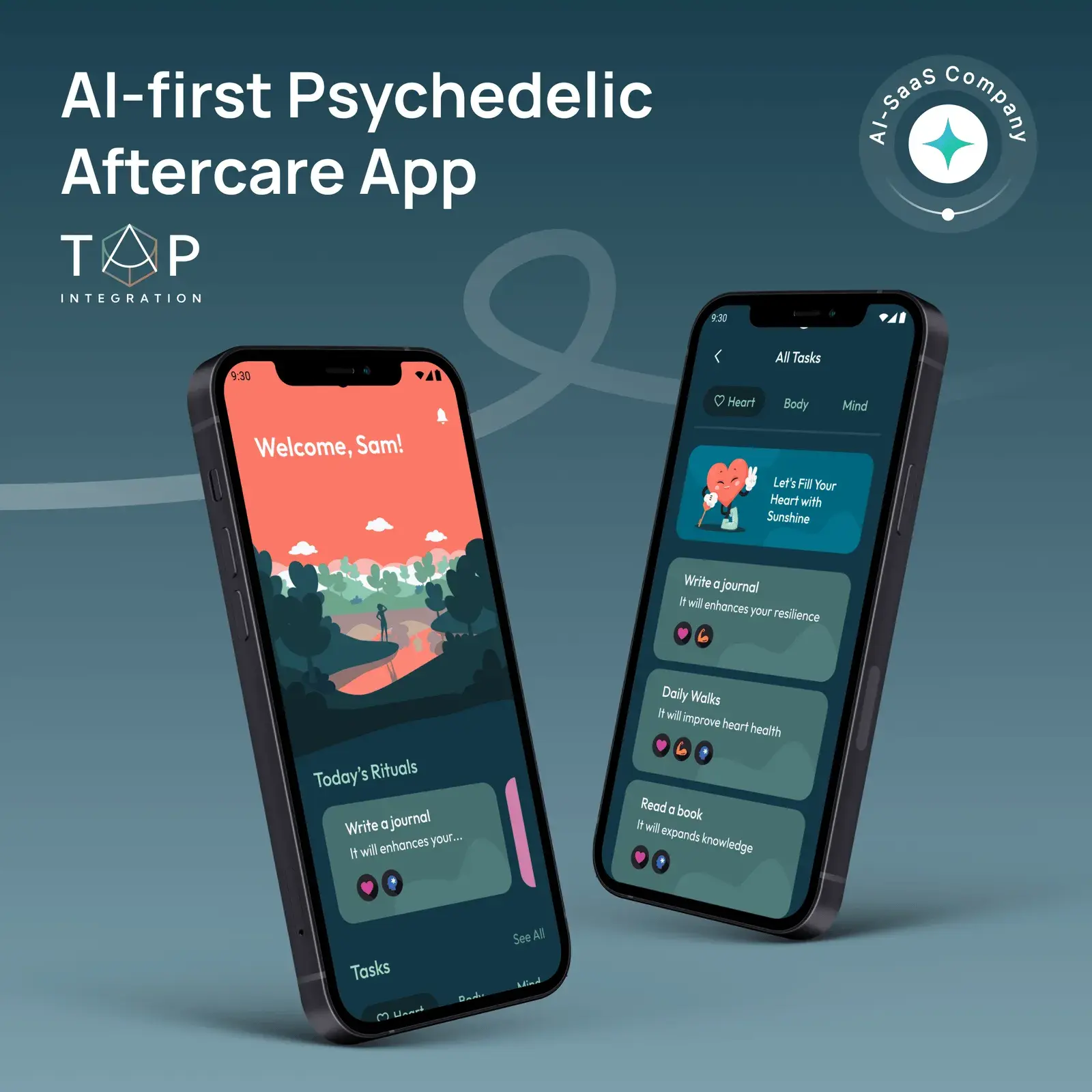
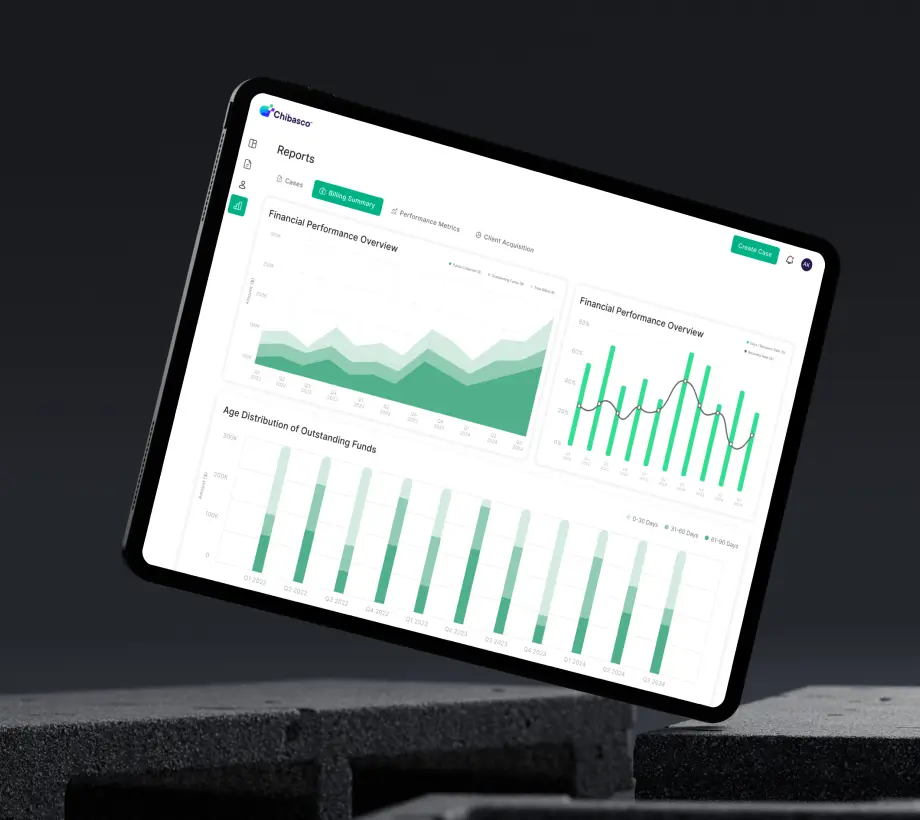
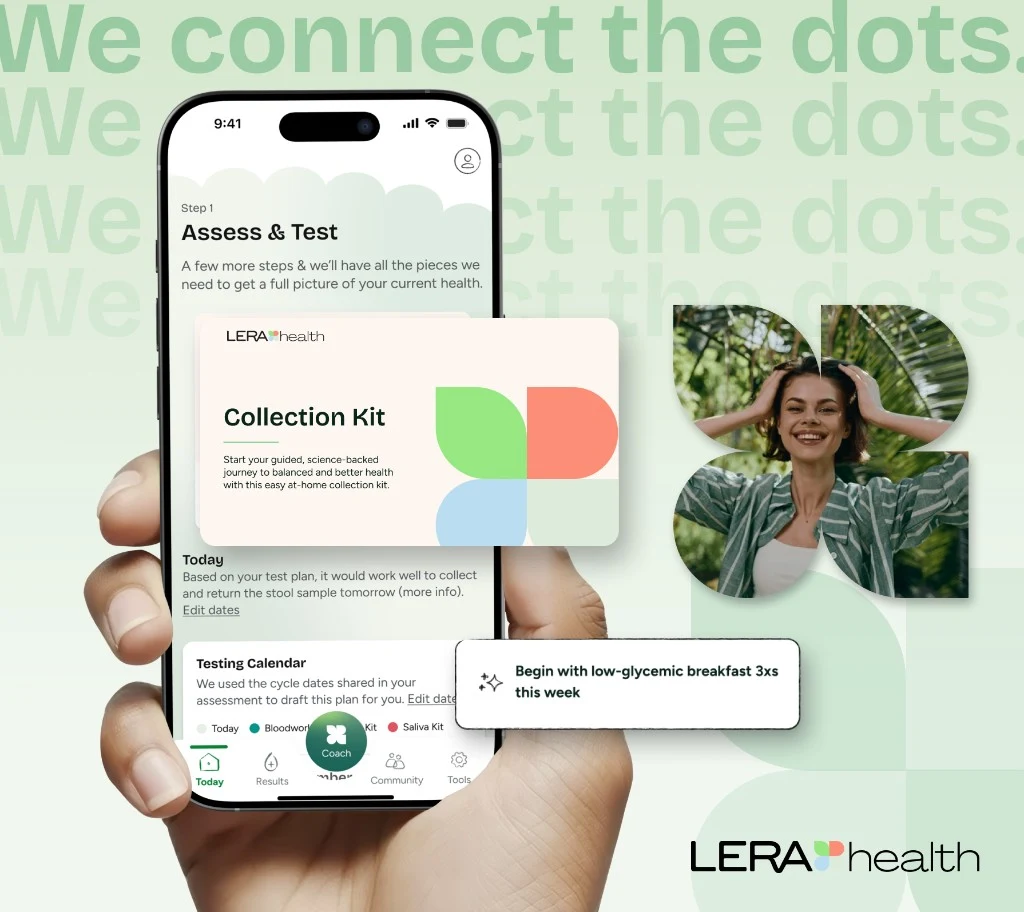
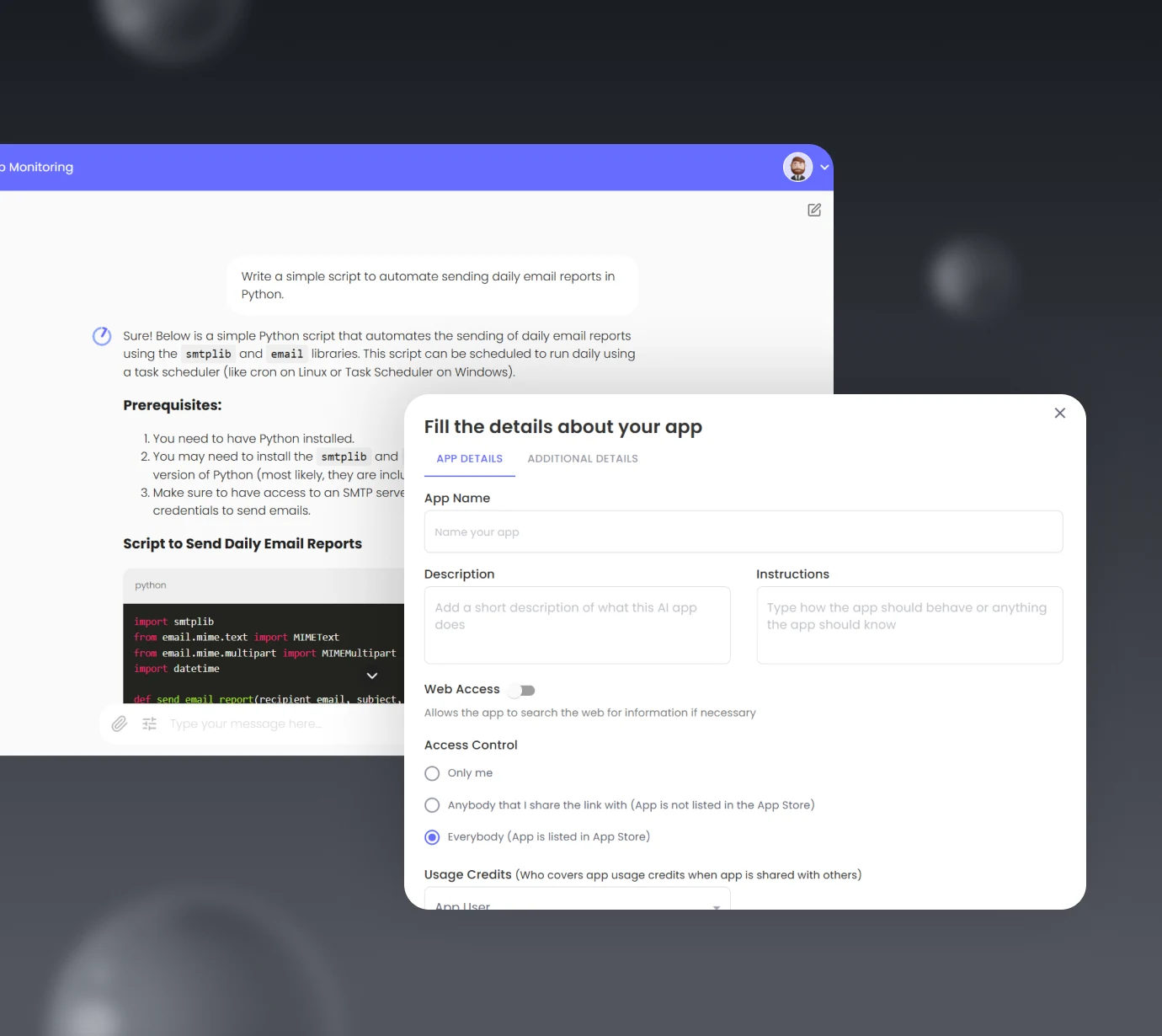

By adopting AI-assisted development, you can significantly reduce team size and development costs while maintaining the same speed, quality, and reliability of delivery.
FTE
FTE
Part time
AI Agents
We use AI-powered tools and automation frameworks to speed up every stage of the software development lifecycle.
AI tools that assist engineers with code generation, refactoring, and documentation through contextual suggestions and inline reasoning.


Multi-agent frameworks that enable coding assistants and context-aware workflow orchestration across CI/CD pipelines.


Tools and systems for processing, analyzing, and transforming large unstructured datasets.


Cloud and containerized environments that host, secure, and monitor Artificial Intelligence-assisted workflows.


We don't just build products; we forge lasting partnerships. See how we've helped industry leaders transform their vision into technical reality.
“I can clearly see how Agnotic has a unique way of handling end-to-end development. They are always active on quick chat and provide support quickly.”

Aaron Phelan
Founder, Benchmark