
Calming, low-friction UX
UI patterns designed for stressed, overwhelmed, or triggered users — minimal cognitive load, soft motion, reassuring language.

Mental Health App Development
Agnotic designs and ships mental health products — therapy platforms, mood tracking, medication management, and crisis pathways — engineered for 42 CFR Part 2 and HIPAA from day one.

Trusted by global innovators











Mental health is not a fitness tracker vertical. We engineer for consent, crisis, and confidentiality — the way regulated care demands.
Why it matters
Demand for remote, private, affordable behavioural health support has exploded — and the market is full of apps that treat mental health data like marketing telemetry. The regulatory and ethical bar is higher.
We build for the working reality of behavioural care: consent-aware data flows, crisis detection and escalation, clinician-in-the-loop therapy, and behavioural EHR specifics that general healthcare platforms ignore.
Outcomes
Core features
From first-session onboarding to long-term care, we cover the capabilities behavioural health products actually need.
UI patterns designed for stressed, overwhelmed, or triggered users — minimal cognitive load, soft motion, reassuring language.
Adaptive recommendations tuned to therapy goals, mood history, and clinician treatment plans.
HIPAA-compliant one-to-one and group session video with encrypted media storage and retention controls.
Structured and freeform journaling with pattern detection, clinician-visible summaries, and opt-in sharing.
Thought-reframing tools, guided reflections, and protocol-based programs tied to clinical frameworks.
Emergency button, helpline integrations, and escalation paths reviewed with clinical leadership.
Reminder systems, side-effect logging, and adherence reports viewable by prescribers.
Moderated peer-support cohorts with identity, consent, and moderation controls designed for behavioural contexts.
Therapist–patient asynchronous messaging with retention policy, audit trail, and clinical coverage routing.
Where it runs
Two-sided platforms matching patients to credentialed therapists with scheduling, video, and messaging.
Adjuncts to outpatient care with tracking, homework, and relapse-prevention workflows.
42 CFR Part 2 aware platforms for SUD care — sponsor messaging, aftercare, and relapse detection.
Employer-sponsored EAP platforms with de-identified aggregate reporting and clinical escalation.
Parent-consent flows, age-aware content gating, and school-integration pathways.
Integration and aftercare platforms for emerging clinical categories with protocol-based journeys.
How we ship
Every mental health build runs through a delivery process that treats clinical safety, consent, and crisis pathways as first-class engineering gates.
Step 01
Stakeholder interviews, clinician shadowing, and lived-experience input to shape the product.
Step 02
Scope feature set alongside a clinical safety review — what happens when a user is in crisis?
Step 03
Design system tuned for calm, reduced cognitive load, and accessibility to users in distress.
Step 04
42 CFR Part 2 consent flows, bank-level encryption, and audit logs wired in from the first sprint.
Step 05
Iterative delivery with clinical QA and safety testing alongside functional QA.
Step 06
Phased rollout with clinical supervision, observability, and on-call coverage for critical paths.
Step 07
Ongoing input from clinicians, patients, and outcomes data to improve retention and efficacy.
Safety flow
Every mental health app we ship has a crisis pathway reviewed by clinical leadership — not a contact-us link. Here's the architecture we use.
Proactive triggers from journal content, missed sessions, mood regression, and explicit user signals such as SOS taps.
Immediate grounding resources, coping exercises, and safe-language patterns delivered in-context, never blocked by friction.
One-tap handoff to regional crisis lines (988 in the US, equivalent regional lines globally) with logged consent and graceful fallback.
Routing to the user's assigned clinician or an on-call clinical duty covering the platform with clear SLAs and audit trail.
Automated check-in and clinician-led safety planning in the 24–72 hours after a crisis event.
Retention that respects clinical outcomes
Not vanity metrics — engagement patterns chosen because they correlate with clinical outcomes in behavioural health research.
Reward consistency without guilt — streaks calibrated to therapeutic cadence, not daily dopamine.
Moderated peer groups scheduled, facilitated, and monitored by clinicians.
Adaptive programs tuned to user profile, clinical protocol, and mood history.
PHQ-9, GAD-7, and other validated scales embedded with clinician visibility and longitudinal tracking.
Verified peer mentor programs with escalation protocols and clear boundaries.
Low-friction, timing-aware reminders that respect user state, not blanket push notifications.
What usually goes wrong
Challenge
Data privacy risk beyond baseline HIPAA (behavioural health data is more sensitive)
Agnotic approach
Bank-level encryption, 42 CFR Part 2 aware consent flows, and strict data minimisation from architecture onward.
Challenge
Integration with EHRs built for physical health (behavioural workflows are different)
Agnotic approach
Behavioural EHR integrations with consent-aware FHIR flows and explicit boundary control over shared data.
Challenge
Scalability issues when therapy cohorts scale 100×
Agnotic approach
Cloud-native architecture with elastic video infrastructure and group-session-aware scaling patterns.
Challenge
Low retention and engagement fatigue
Agnotic approach
Evidence-based engagement strategies — streaks, personalised content, peer support — tuned to clinical outcomes not vanity metrics.
Challenge
Accessibility for users with cognitive or sensory impairments
Agnotic approach
WCAG 2.2 AA compliance, high-contrast modes, screen-reader support, and distress-aware interaction design.
Challenge
Monetisation tension with clinical ethics
Agnotic approach
Business-model design that separates clinical features from growth mechanics and respects the therapeutic contract.
Standards we build against
Mental health data — and especially substance-use data — has a higher bar than general healthcare. Our builds reflect that bar in architecture, consent, and audit.

Protect PHI with privacy-first architecture, encrypted storage and transmission, strict access controls, and traceable audit logs.

Implement lawful consent flows, data minimization, retention controls, and secure processing for sensitive reproductive and health data.

Enable standardized health data exchange across apps, care teams, and systems through robust FHIR-ready APIs and mappings.

Support enterprise-grade interoperability with HL7-based integrations for records, events, and clinical messaging workflows.

Align security programs to healthcare-specific controls and risk management practices trusted by providers and partners.

Design with breach notification readiness, digital record safeguards, and operational controls that support regulated care programs.
Plan software quality, traceability, and documentation pathways for products that may require SaMD review and regulatory submission.

Prepare EU market-ready processes for risk classification, evidence tracking, and lifecycle governance under MDR expectations.

Apply confidentiality controls and consent-aware sharing models for behavioral and mental health related data experiences.
With a diverse technology stack, we deliver solutions using a technology-Agnostic approach to meet your unique needs.


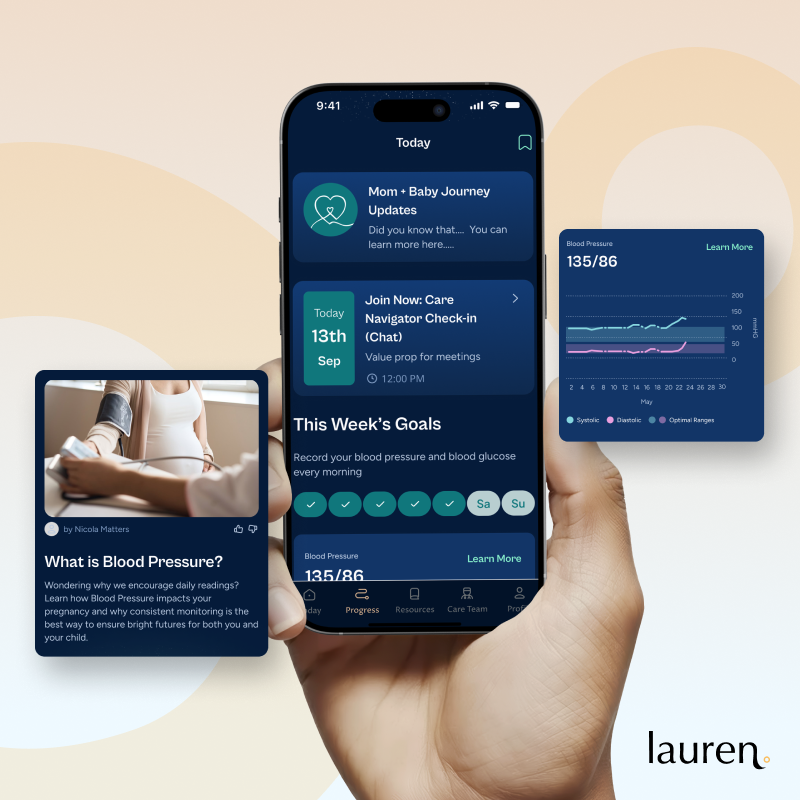
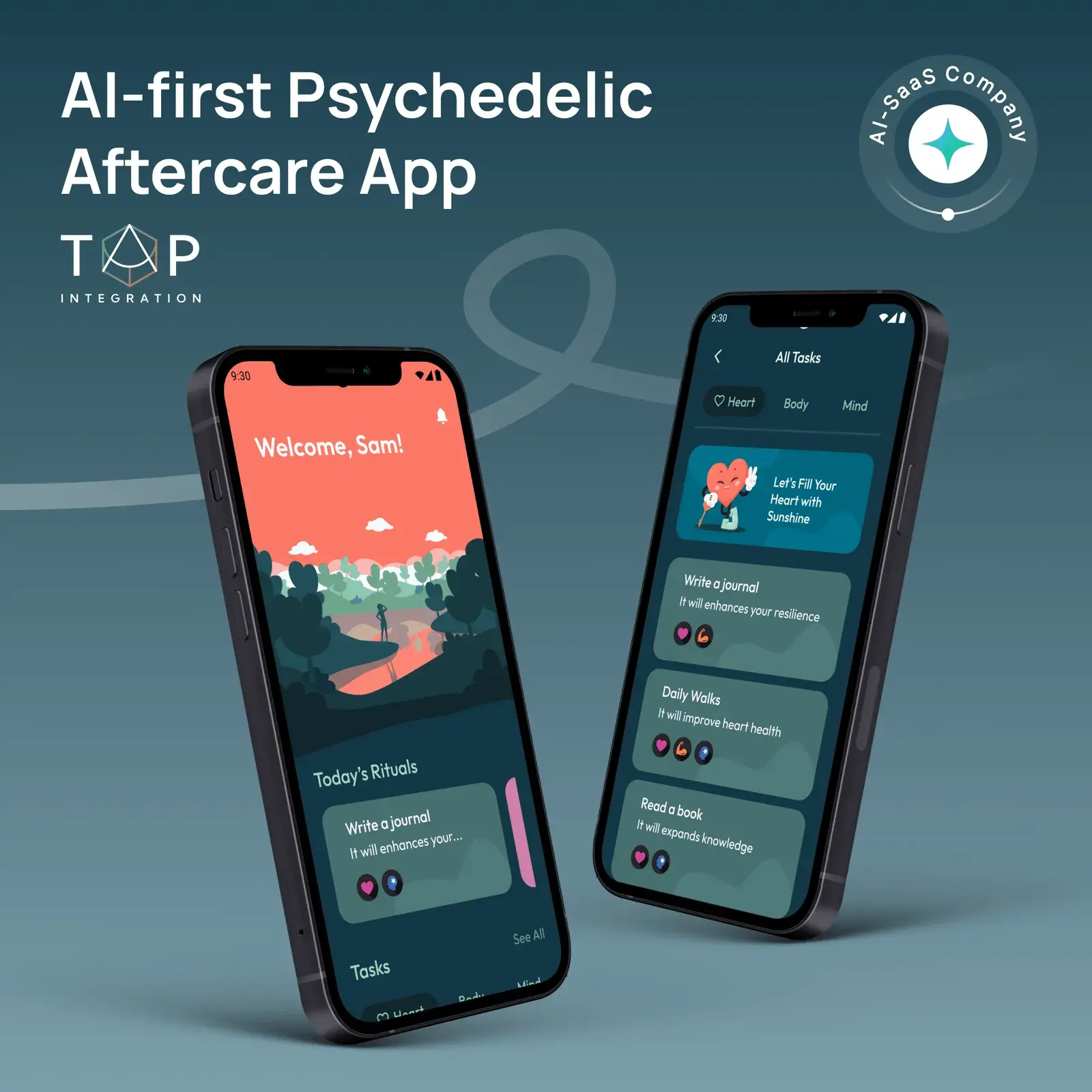
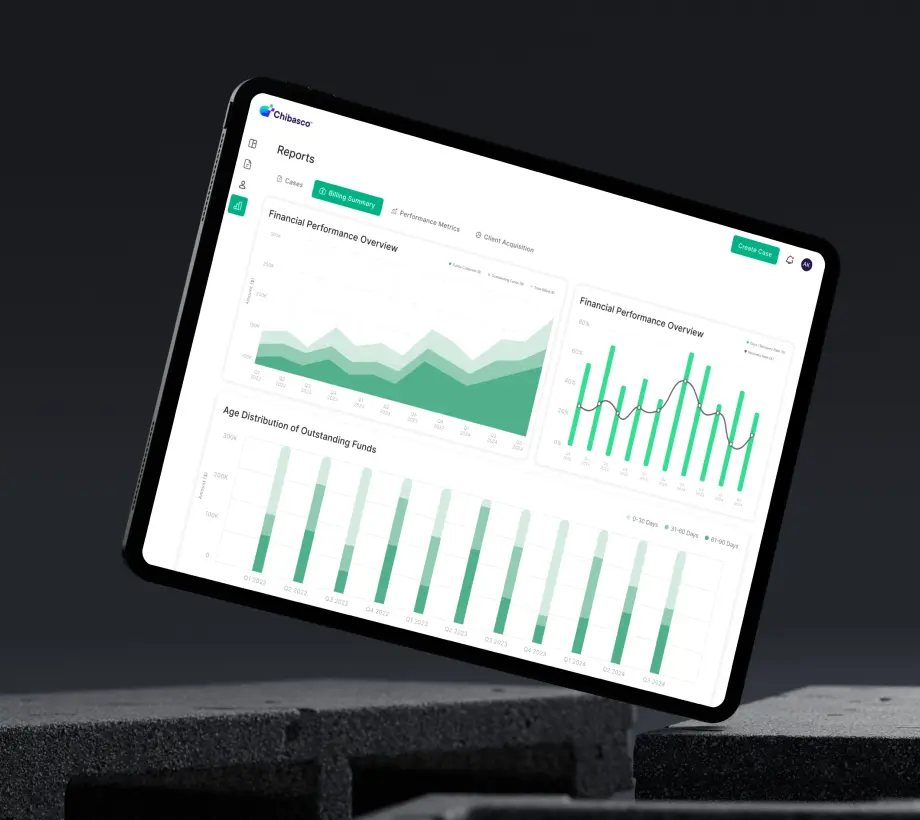
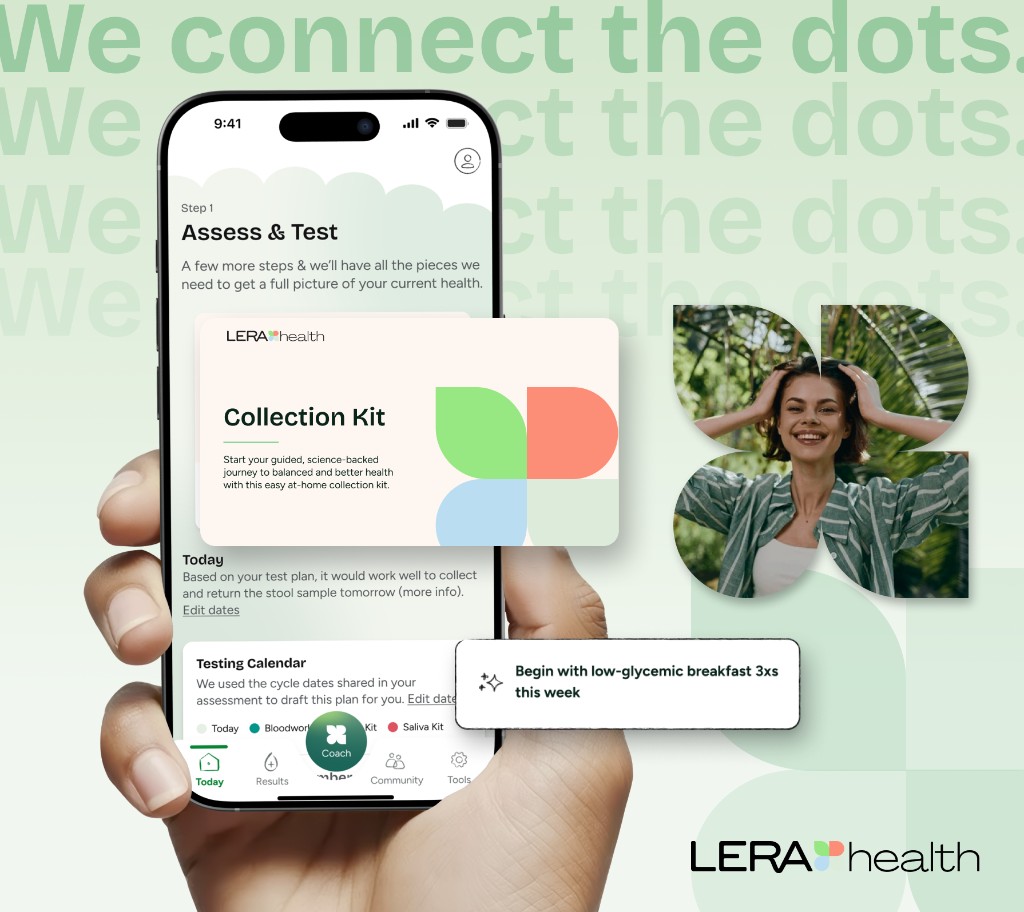
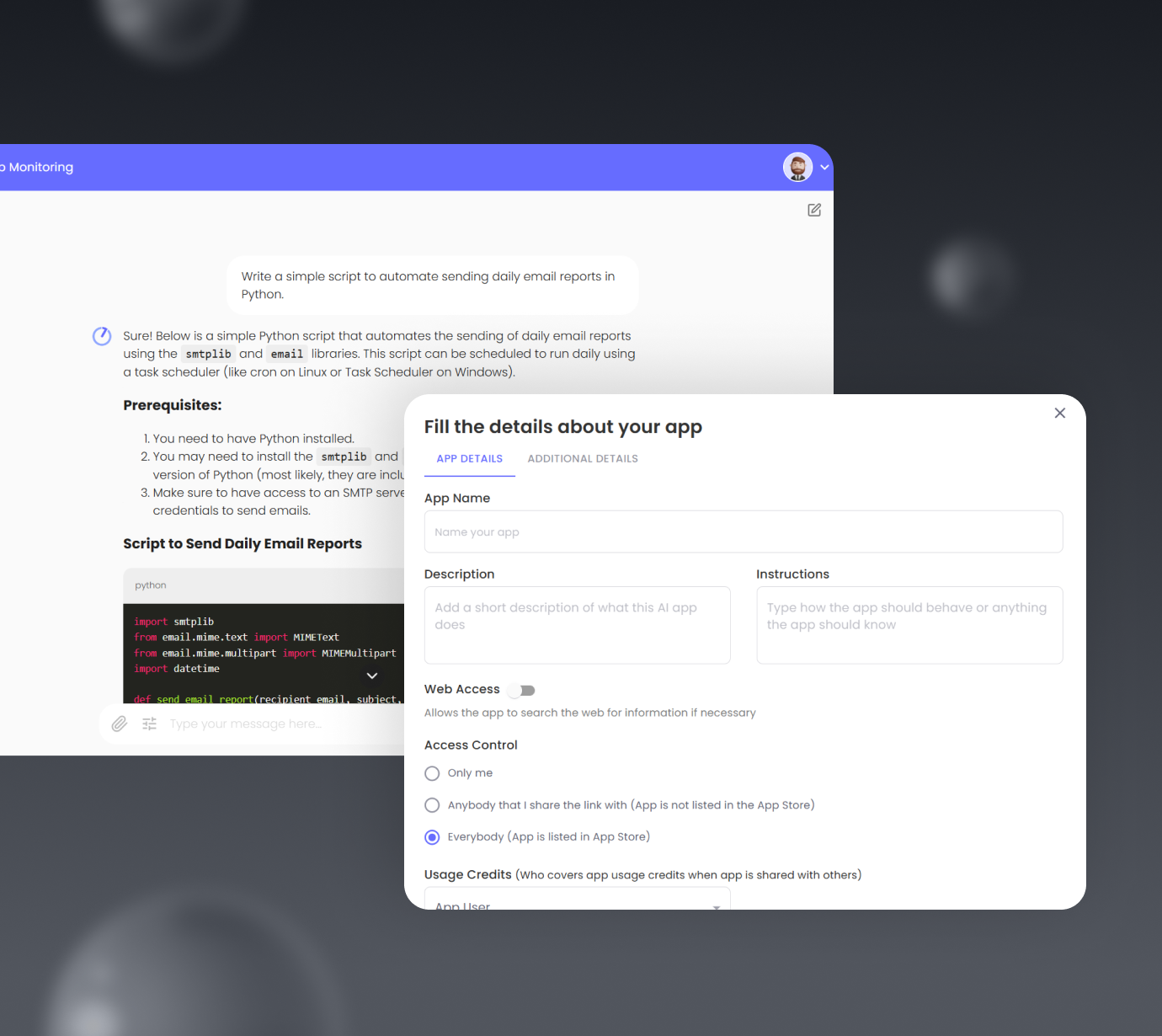
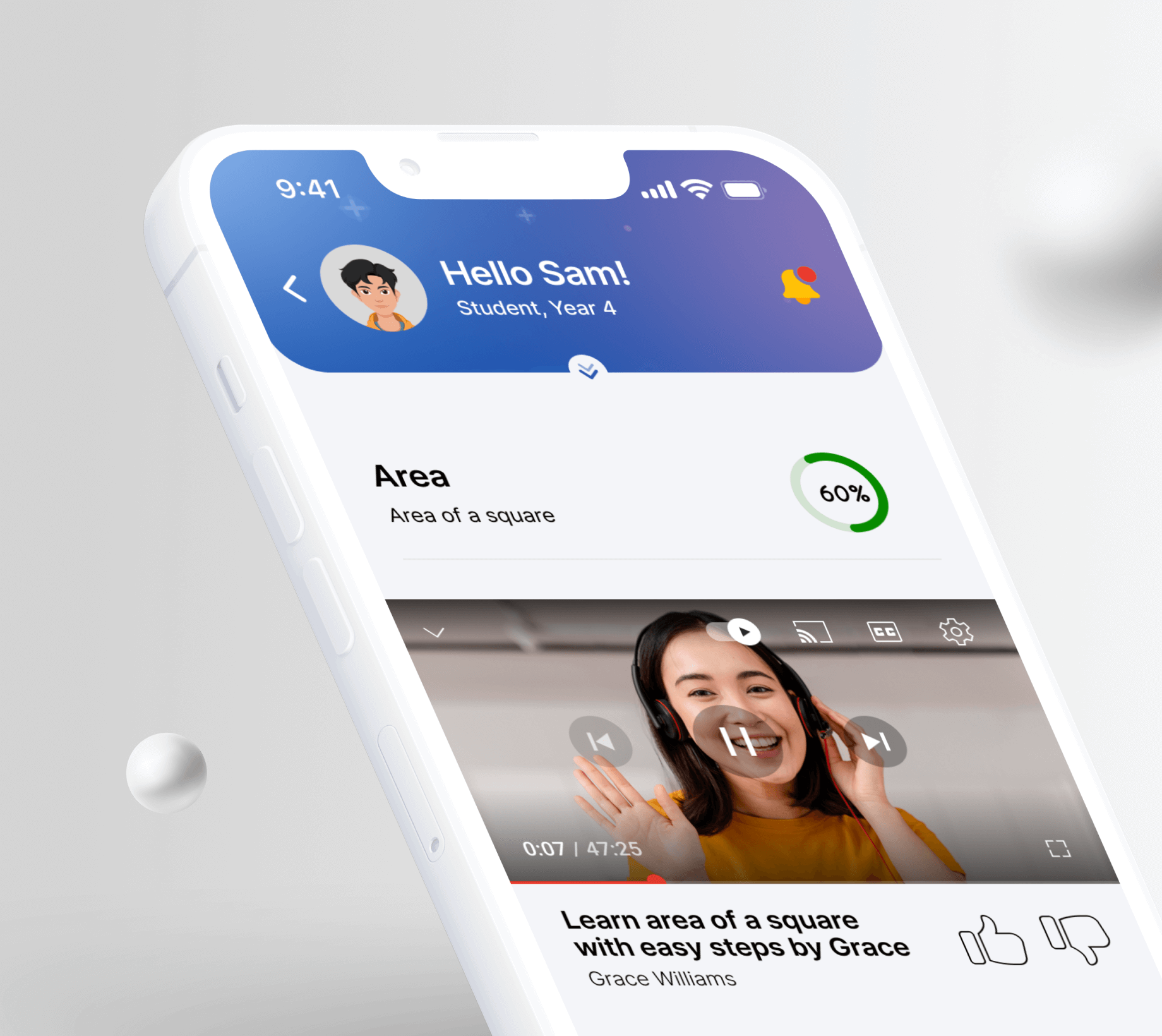
We don't just build products; we forge lasting partnerships. See how we've helped industry leaders transform their vision into technical reality.
"I can clearly see how Agnotic has a unique way of handling end-to-end development. They are always active on quick chat and provide support quickly."

Founder, Benchmark
"Agnotic is the best technical team we evaluated. Their engineering excellence made our work dramatically easier and allowed us to stay focused on what matters most for maternal care outcomes. They took full ownership of the technical execution, and we are always happy to continue working together."

Founder, My Lauren
"Agnotic combines deep technical expertise with strong domain knowledge. They understand the business context, anticipate challenges, and make collaboration smooth and effective."

Founder, Latimer
Tell us about your clinical model and users. We'll scope architecture, crisis pathway, and compliance in a single conversation.