
Modernisation assessment
Clinical, technical, and business assessment with pattern recommendation per component.

Healthcare Software Modernization
Cloud migration, FHIR enablement, UI overhaul, and technical debt removal for legacy health systems — with migration patterns and risk management tuned for regulated environments.

Trusted by global innovators











Healthcare modernisation is not a rip-and-replace. We stage change around operational continuity, clinical safety, and audit trails.
Why modernise
Legacy healthcare systems carry real ongoing cost — expensive to maintain, hard to integrate, painful to use, and exposed to compliance risk. The business case for modernisation often writes itself. The harder question is how — without disrupting care, breaking integrations, or burning staff out.
We bring migration patterns and risk management tuned for regulated health environments: cloud migration under BAA, FHIR enablement of legacy EHRs, UI overhaul staged around workflow, and technical debt removal without operational blast radius.
Core capabilities
A full healthcare modernisation practice — from assessment through phased rollout.
Clinical, technical, and business assessment with pattern recommendation per component.
AWS, GCP, or Azure migration under BAA with compliance controls preserved or upgraded.
FHIR R4 API layer wrapped around legacy EHRs and internal systems.
Modern, workflow-aware UI layered in front of legacy systems with graceful cut-over.
Staged refactoring and re-platforming of the highest-pain components with low operational blast radius.
HL7 v2 → FHIR migration, interface engine consolidation, and modern integration layers.
Historical clinical data migration with integrity, terminology alignment, and audit continuity.
Modern observability stack layered over legacy and new components during transition.
Clinician and staff training, workflow walk-throughs, and post-cutover support.
Migration pattern choice
Three migration patterns — each fits different scenarios. Picking wrong burns time, money, and clinical goodwill.
| Dimension | Lift-and-shift | Re-platform | Re-build |
|---|---|---|---|
| What changes | Infrastructure only | Infrastructure + framework | Full redesign and rewrite |
| Typical duration | 3–6 months | 9–18 months | 18–36 months |
| Risk profile | Low — change is narrow | Medium — framework shifts | High — full replacement |
| Cost profile | Lowest | Medium | Highest |
| When it fits | Immediate cost/compliance need | Framework is obsolete, code isn't | System is fundamentally misaligned with workflow |
| Our default | Phase 1 for many systems | Phase 2 after stabilisation | Only when truly needed |
Most modernisations we run are lift-and-shift first for stabilisation, then selective re-platform of the highest-pain components.
Where it runs
FHIR enablement and UI overhaul of legacy EHR or HIS without vendor replacement.
Lift-and-shift or re-platform migration to AWS, GCP, or Azure under BAA.
Integration modernisation with parallel operation and staged cutover.
Imaging system modernisation with zero clinical downtime.
Revenue cycle modernisation with claim-flow continuity.
Staff-facing admin tools modernised without operational disruption.
How we ship
Step 01
Clinical, technical, and business assessment with pattern recommendation per component.
Step 02
Sequenced plan prioritising compliance, cost, and clinical pain — not engineering preference.
Step 03
Observability first so downstream change has a safety net.
Step 04
Lift-and-shift or low-risk migration of the first phase.
Step 05
Re-platform the highest-pain components once the base is stable.
Step 06
Continuous modernisation as a practice, not a single project with an end date.
Common failure modes
Challenge
Big-bang replacement that risks clinical operations
Agnotic approach
Phased modernisation with parallel operation and staged cutover — never big-bang in clinical environments.
Challenge
FHIR enablement promised, HL7 v2 left in place forever
Agnotic approach
Explicit HL7 → FHIR migration plan with staged retirement, not parallel operation forever.
Challenge
Clinician revolt over sudden UI change
Agnotic approach
Clinician co-design, phased UI rollout, and change management as a funded workstream.
Challenge
Audit trail discontinuity through migration
Agnotic approach
Audit continuity plan — historical logs accessible through migration and post-cutover.
Standards we modernise against
Every Agnotic healthcare build is architected for privacy, interoperability, and regulatory readiness from the first commit — not retrofitted before launch.

Protect PHI with privacy-first architecture, encrypted storage and transmission, strict access controls, and traceable audit logs.

Implement lawful consent flows, data minimization, retention controls, and secure processing for sensitive reproductive and health data.

Enable standardized health data exchange across apps, care teams, and systems through robust FHIR-ready APIs and mappings.

Support enterprise-grade interoperability with HL7-based integrations for records, events, and clinical messaging workflows.

Align security programs to healthcare-specific controls and risk management practices trusted by providers and partners.

Design with breach notification readiness, digital record safeguards, and operational controls that support regulated care programs.

Plan software quality, traceability, and documentation pathways for products that may require SaMD review and regulatory submission.

Prepare EU market-ready processes for risk classification, evidence tracking, and lifecycle governance under MDR expectations.

Apply confidentiality controls and consent-aware sharing models for behavioral and mental health related data experiences.
With a diverse technology stack, we deliver solutions using a technology-Agnostic approach to meet your unique needs.

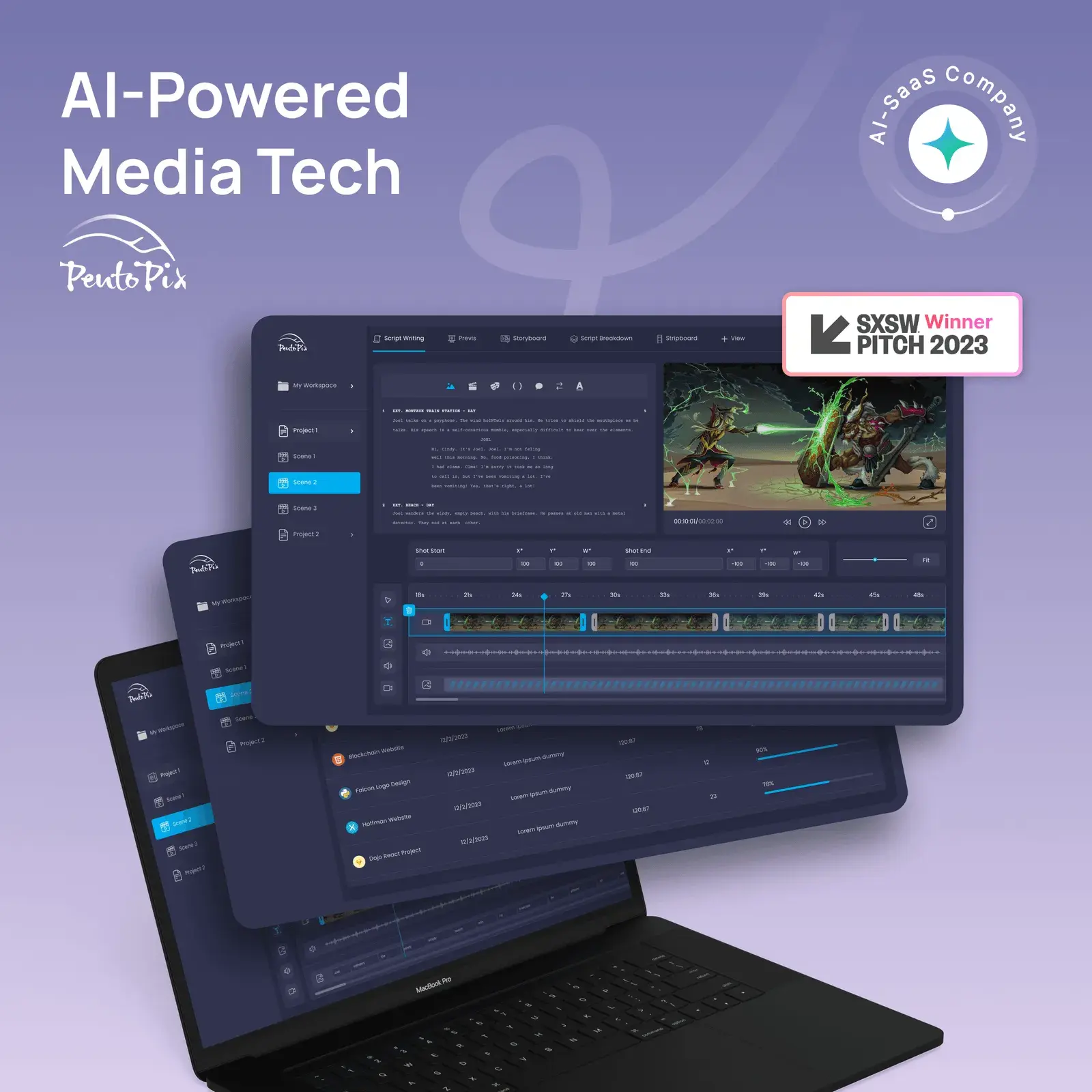
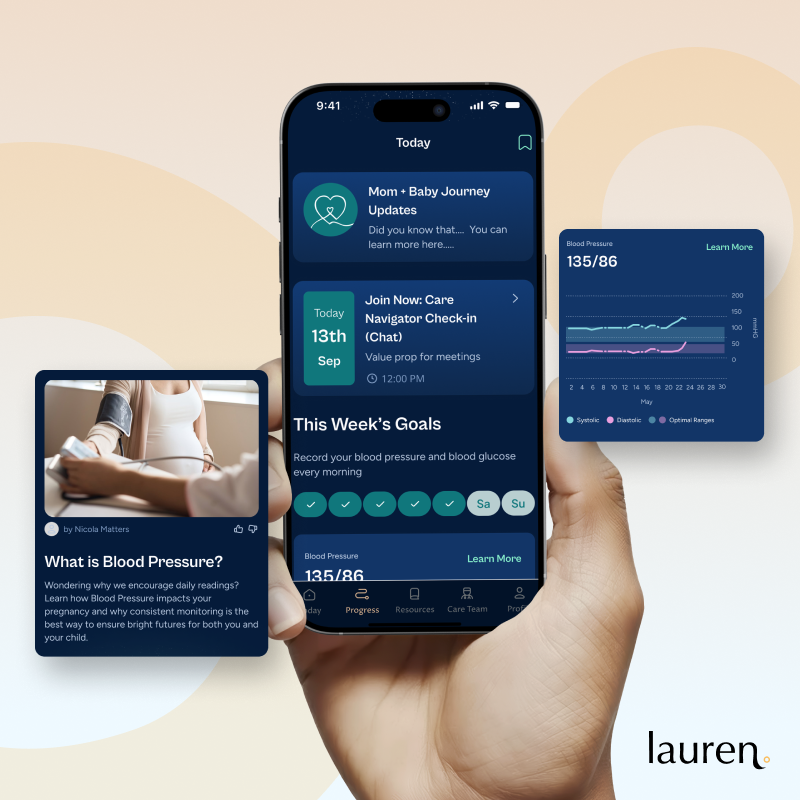
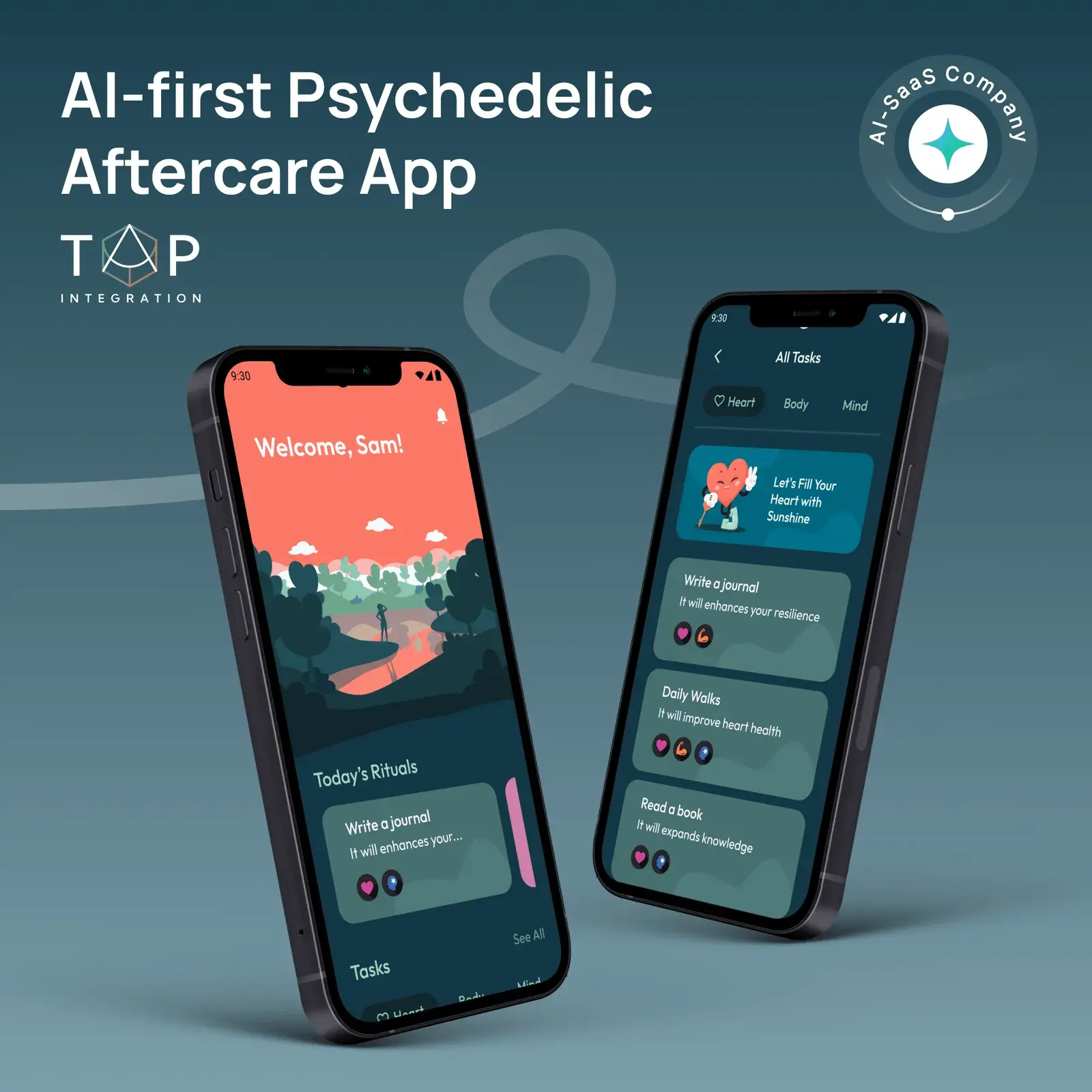
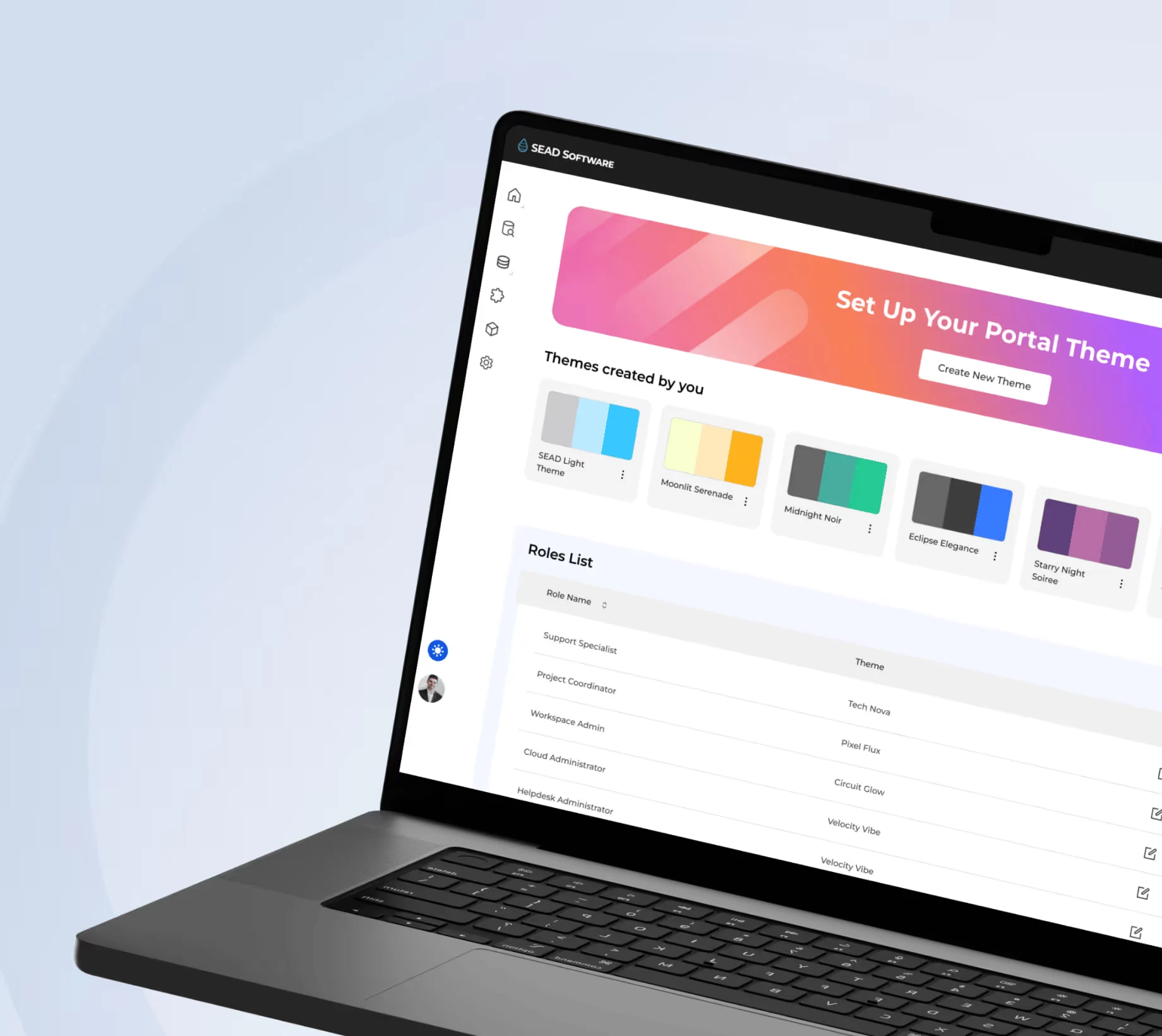
We don't just build products; we forge lasting partnerships. See how we've helped industry leaders transform their vision into technical reality.
"I can clearly see how Agnotic has a unique way of handling end-to-end development. They are always active on quick chat and provide support quickly."

Founder, Benchmark
"Agnotic is the best technical team we evaluated. Their engineering excellence made our work dramatically easier and allowed us to stay focused on what matters most for maternal care outcomes. They took full ownership of the technical execution, and we are always happy to continue working together."

Founder, My Lauren
"Agnotic combines deep technical expertise with strong domain knowledge. They understand the business context, anticipate challenges, and make collaboration smooth and effective."

Founder, Latimer
Tell us about your legacy stack and clinical constraints. We'll return a phased modernisation plan with migration patterns and sequencing.