
FHIR R4 integration
Modern API-based integration with Epic, Cerner, Athenahealth using FHIR R4 resources.

EHR / EMR Integration
We integrate your healthcare platform with Epic, Cerner, Athenahealth, Allscripts, and others — real integrations with SMART on FHIR, FHIR R4, and HL7 v2, not just familiarity.

Trusted by global innovators











EHR integration is where most healthcare builds lose 3–6 months. We treat it as a first-class workstream with sandbox access and a realistic go-live plan from week two.
What it is
EHR and EMR integration connects your platform to hospital, lab, billing, and patient-app systems so data flows cleanly between them. Done well, it enables real-time patient context, reduces manual reconciliation, and closes the loop on clinical decisions.
Done poorly, it becomes a six-month drag of sandbox delays and custom one-off mappings. We scope realistically: target EHR, integration method, sandbox access plan, and go-live window before we commit to anything.
Core capabilities
EHR integration is rarely about one endpoint. We build the full integration surface that production systems need.
Modern API-based integration with Epic, Cerner, Athenahealth using FHIR R4 resources.
ADT, ORU, ORM, SIU, and MDM message handling via Mirth, Rhapsody, or Azure Health Data Services.
Embedded apps inside Epic and Cerner with OAuth2 launch contexts.
Population-level data pulls via FHIR $export for analytics and research.
Decision-support triggers embedded in the EHR workflow — not pop-ups.
Epic Chronicles, Cerner Millennium APIs, and other vendor-specific legacy access.
Mirth, Rhapsody, Azure Health Data Services, AWS HealthLake integration.
HL7 v2 → FHIR R4 transformation with clinical coding alignment.
Integration health dashboards, latency tracking, and alert routing for failed messages.
Architecture options
We pick per build based on where the integration lives, how much traffic it handles, and whether it needs to work offline.
Systems table
Not every EHR exposes the same surface. Here's how we think about the big ones — method, timeline, and expected friction.
| EHR | Primary integration method | Typical timeline | Notes |
|---|---|---|---|
| Epic | FHIR R4 via App Orchard + HL7 v2 | 3–5 months | App Orchard submission required for marketplace apps; sandbox access is gated. |
| Cerner (Oracle Health) | FHIR R4 via Code + HL7 v2 | 3–5 months | Code program onboarding; strong FHIR coverage in modern versions. |
| Athenahealth | Athena API + FHIR R4 | 2–4 months | Developer portal is relatively fast; production promotion requires marketplace review. |
| Allscripts / Veradigm | UAP API + FHIR | 2–4 months | Mixed API surface; expect per-site configuration work. |
| eClinicalWorks | FHIR R4 + HL7 v2 | 2–4 months | FHIR coverage depends on version; HL7 v2 remains common. |
| MEDITECH | FHIR + HL7 v2 | 3–5 months | Greenfield varies; Expanse has stronger FHIR coverage. |
Timelines assume sandbox access and engaged clinical stakeholders. Real-world EHR integration timelines are driven more by access and contracting than by engineering.
Where it runs
Full EHR integration for inpatient and ambulatory operations.
LIS integration for orders, results, and longitudinal lab data.
Claims integration and revenue cycle data flow.
Patient-facing apps with authenticated EHR access via SMART on FHIR.
Population-level data exports for analytics and research platforms.
Telehealth platforms with integrated clinical documentation and scheduling.
How we ship
A phased delivery approach that treats sandbox access, data mapping, and marketplace submission as parallel tracks.
Step 01
Target EHR, integration method, FHIR resources needed, and go-live constraints.
Step 02
Start sandbox access immediately; run data model discovery in parallel.
Step 03
Direct, middleware, or FHIR data layer — chosen per build.
Step 04
Resource mapping, code system alignment (SNOMED, LOINC, ICD-10), and transformation logic.
Step 05
Synthetic data testing, partner-assisted UAT, and performance validation.
Step 06
Phased go-live with integration health dashboards and alert routing.
Common failure modes
Challenge
Sandbox access is gated for months
Agnotic approach
We start sandbox access in week one of engagement, run parallel work until access lands, and surface blockers to leadership early.
Challenge
FHIR coverage varies by EHR version
Agnotic approach
Per-EHR capability assessment upfront — what FHIR resources are available, what we need to fall back to HL7 v2 for, and what's missing entirely.
Challenge
Data quality in the source system breaks assumptions
Agnotic approach
Data quality audit during discovery, with explicit rules for missing, malformed, or ambiguous data and a reconciliation workflow.
Challenge
Integration works in dev, fails in production load
Agnotic approach
Load testing against sandbox, rate-limit awareness, and observability from day one so production issues are caught before they cascade.
Challenge
Marketplace submission drags launch
Agnotic approach
We plan App Orchard / Code submission timelines into the project plan, not as an afterthought, and start submission prep before engineering is complete.
Standards we build against
Every Agnotic healthcare build is architected for privacy, interoperability, and regulatory readiness from the first commit — not retrofitted before launch.

Protect PHI with privacy-first architecture, encrypted storage and transmission, strict access controls, and traceable audit logs.

Implement lawful consent flows, data minimization, retention controls, and secure processing for sensitive reproductive and health data.

Enable standardized health data exchange across apps, care teams, and systems through robust FHIR-ready APIs and mappings.

Support enterprise-grade interoperability with HL7-based integrations for records, events, and clinical messaging workflows.
Align security programs to healthcare-specific controls and risk management practices trusted by providers and partners.

Design with breach notification readiness, digital record safeguards, and operational controls that support regulated care programs.

Plan software quality, traceability, and documentation pathways for products that may require SaMD review and regulatory submission.

Prepare EU market-ready processes for risk classification, evidence tracking, and lifecycle governance under MDR expectations.

Apply confidentiality controls and consent-aware sharing models for behavioral and mental health related data experiences.
With a diverse technology stack, we deliver solutions using a technology-Agnostic approach to meet your unique needs.


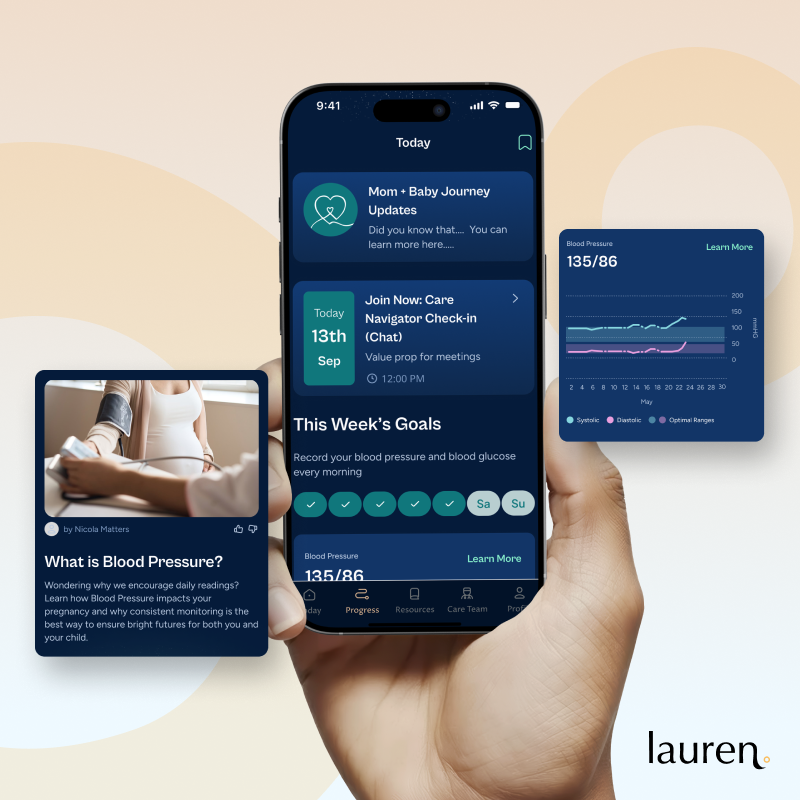
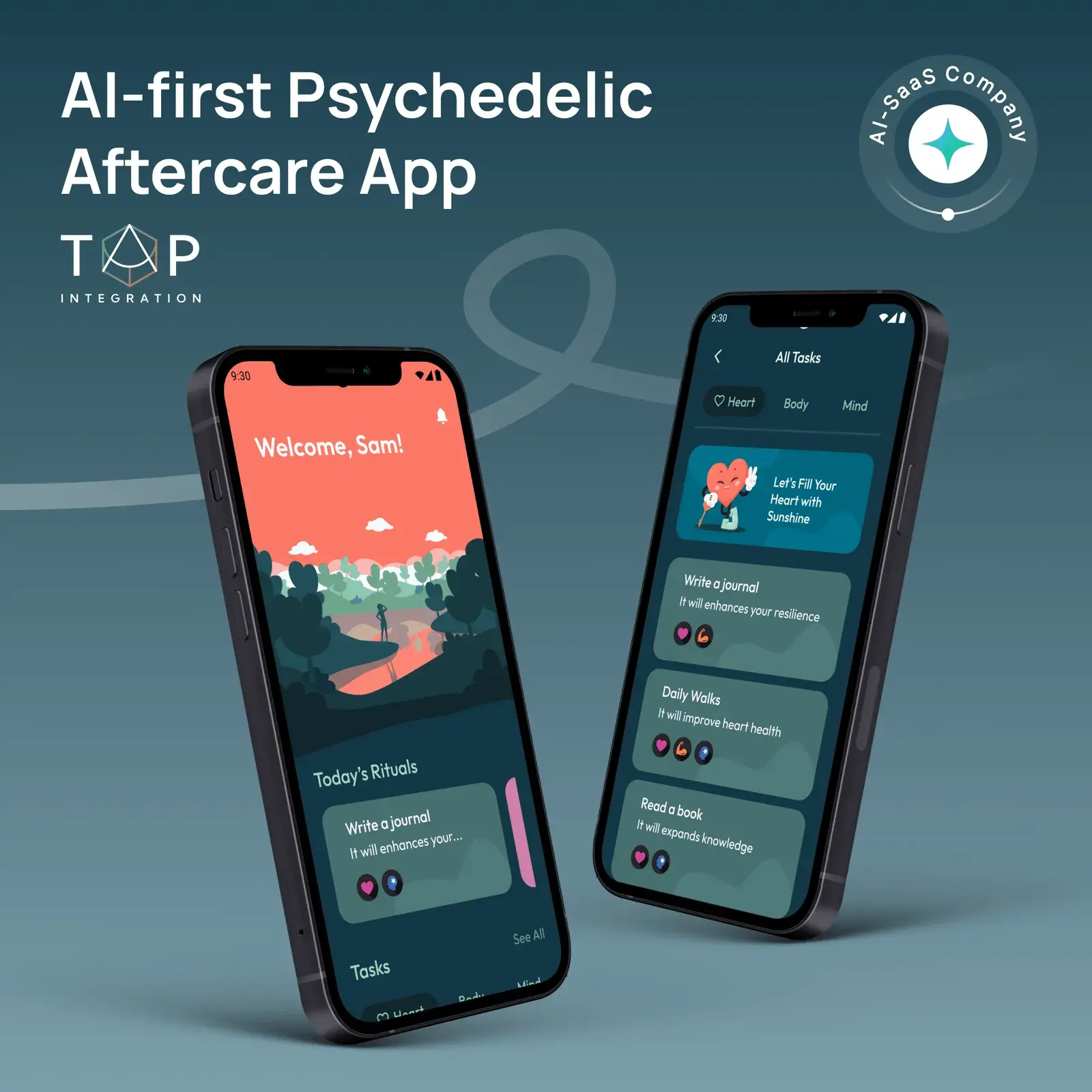
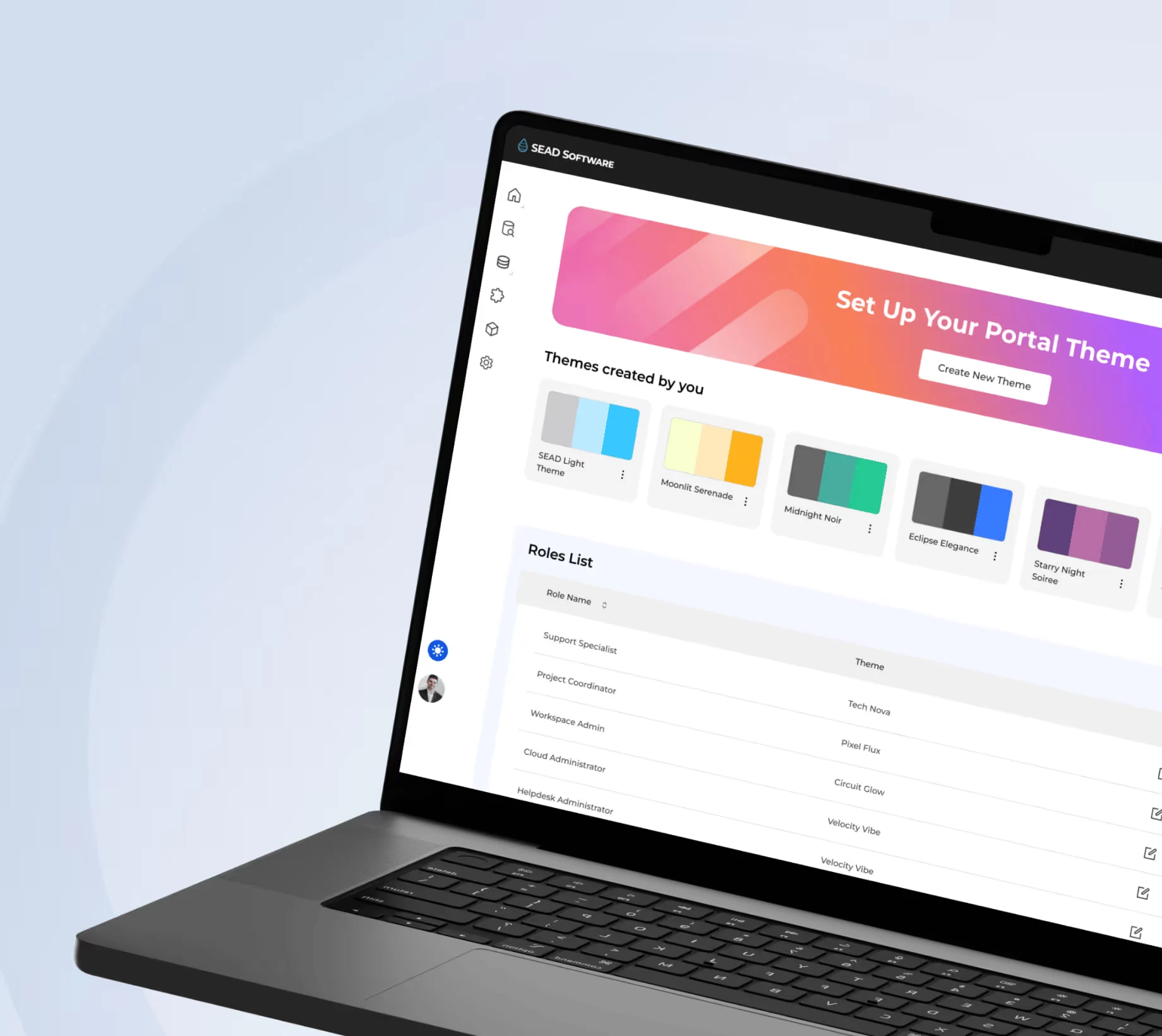
We don't just build products; we forge lasting partnerships. See how we've helped industry leaders transform their vision into technical reality.
"I can clearly see how Agnotic has a unique way of handling end-to-end development. They are always active on quick chat and provide support quickly."

Founder, Benchmark
"Agnotic is the best technical team we evaluated. Their engineering excellence made our work dramatically easier and allowed us to stay focused on what matters most for maternal care outcomes. They took full ownership of the technical execution, and we are always happy to continue working together."

Founder, My Lauren
"Agnotic combines deep technical expertise with strong domain knowledge. They understand the business context, anticipate challenges, and make collaboration smooth and effective."

Founder, Latimer
Tell us your target EHRs and integration scope. We'll return a realistic plan with sandbox-access timeline and marketplace requirements.