
SMART App Launch
EHR-launched apps with proper OAuth2 flows, launch context handoff, and token refresh.

SMART on FHIR
We build SMART on FHIR applications that launch directly inside EHR clinician workflows — authorisation flows, launch contexts, CDS Hooks, and marketplace submission handled end-to-end.

Trusted by global innovators










SMART on FHIR is how third-party apps run inside Epic, Cerner, and other major EHRs — with proper authentication, scoped PHI access, and clinician launch context.
What it is
FHIR is the data standard — how clinical data is modelled and accessed. SMART on FHIR is the application framework layered on top: how an app authenticates, what PHI it's allowed to see, and how it launches inside an EHR's clinician or patient workflow.
You can use FHIR without SMART (backend-to-backend integration). You need SMART when your app runs inside the EHR — launched from a clinician's chart view, scoped to the current patient, authenticated as the current user.
Core capabilities
A full SMART on FHIR practice — from launch and auth through marketplace submission.
EHR-launched apps with proper OAuth2 flows, launch context handoff, and token refresh.
Patient-facing apps that launch outside the EHR but access data via SMART auth.
System-level apps with asymmetric keys for population-level workflows.
Decision-support triggers embedded in clinician workflow — order-select, patient-view, and others.
Building against US Core for broader EHR compatibility.
Submission preparation, sandbox validation, and marketplace launch.
Cerner Code onboarding, Ignite APIs, and production promotion.
SMART apps that serve multiple provider organisations with per-tenant isolation.
Usage analytics and outcome tracking for SMART apps in production.
Launch contexts
SMART apps receive context from the EHR at launch — which patient is in the chart, which clinician is using it, which encounter is open. This is what separates SMART apps from generic OAuth apps.
SMART launch patterns
The three SMART on FHIR launch patterns — and when each fits.
| Dimension | EHR Launch | Standalone Launch | Backend Services |
|---|---|---|---|
| Who launches it | Clinician inside the EHR | Patient / user on web or mobile | Automated system process |
| Context | Patient, user, encounter | User (no patient context by default) | No user context |
| Auth flow | OAuth2 with launch parameter | OAuth2 authorisation code | OAuth2 client credentials + JWT |
| Typical use | Clinician-facing embedded app | Patient portal app | Population-level workflows |
| PHI access scope | Scoped to current patient + user | Scoped to the authenticated patient | System-level with contract scope |
| Marketplace review | Yes (App Orchard / Code) | Usually yes | Contract-specific |
Most clinical decision-support apps use EHR Launch. Patient portals use Standalone. Population health tools use Backend Services.
Where it runs
In-workflow decision support launched from a patient's chart.
Oncology decision aids, cardiology calculators, derm imaging aids.
Standalone patient apps with authenticated FHIR access.
Backend Services SMART apps for cohort-level workflows.
Decision-support triggers at key points — order-select, patient-view.
Lab, imaging, and specialty vendor apps that run inside the EHR.
How we ship
Step 01
Which EHR, which launch pattern, which FHIR resources are needed?
Step 02
Epic App Orchard sandbox, Cerner Code sandbox, or vendor-specific onboarding.
Step 03
OAuth2 / OIDC flows, launch parameter handling, and token refresh.
Step 04
App UI, FHIR data access, and clinician workflow integration.
Step 05
Decision-support triggers embedded in workflow events.
Step 06
App Orchard / Code submission with technical and clinical documentation.
What usually goes wrong
Challenge
Sandbox access takes months
Agnotic approach
Submit sandbox access requests in week one; run parallel engineering while waiting.
Challenge
FHIR coverage varies across EHR versions
Agnotic approach
Capability assessment upfront — what resources are exposed, what's missing, how to fall back.
Challenge
Marketplace submission timelines surprise teams
Agnotic approach
App Orchard / Code submission is planned from the start, not added at the end.
Challenge
OAuth2 launch flow subtleties break apps at go-live
Agnotic approach
Rigorous launch-flow testing across patient, user, and encounter contexts before production promotion.
Standards we build against
Every Agnotic healthcare build is architected for privacy, interoperability, and regulatory readiness from the first commit — not retrofitted before launch.

Protect PHI with privacy-first architecture, encrypted storage and transmission, strict access controls, and traceable audit logs.

Implement lawful consent flows, data minimization, retention controls, and secure processing for sensitive reproductive and health data.

Enable standardized health data exchange across apps, care teams, and systems through robust FHIR-ready APIs and mappings.

Support enterprise-grade interoperability with HL7-based integrations for records, events, and clinical messaging workflows.
Align security programs to healthcare-specific controls and risk management practices trusted by providers and partners.

Design with breach notification readiness, digital record safeguards, and operational controls that support regulated care programs.
Plan software quality, traceability, and documentation pathways for products that may require SaMD review and regulatory submission.

Prepare EU market-ready processes for risk classification, evidence tracking, and lifecycle governance under MDR expectations.

Apply confidentiality controls and consent-aware sharing models for behavioral and mental health related data experiences.
With a diverse technology stack, we deliver solutions using a technology-Agnostic approach to meet your unique needs.

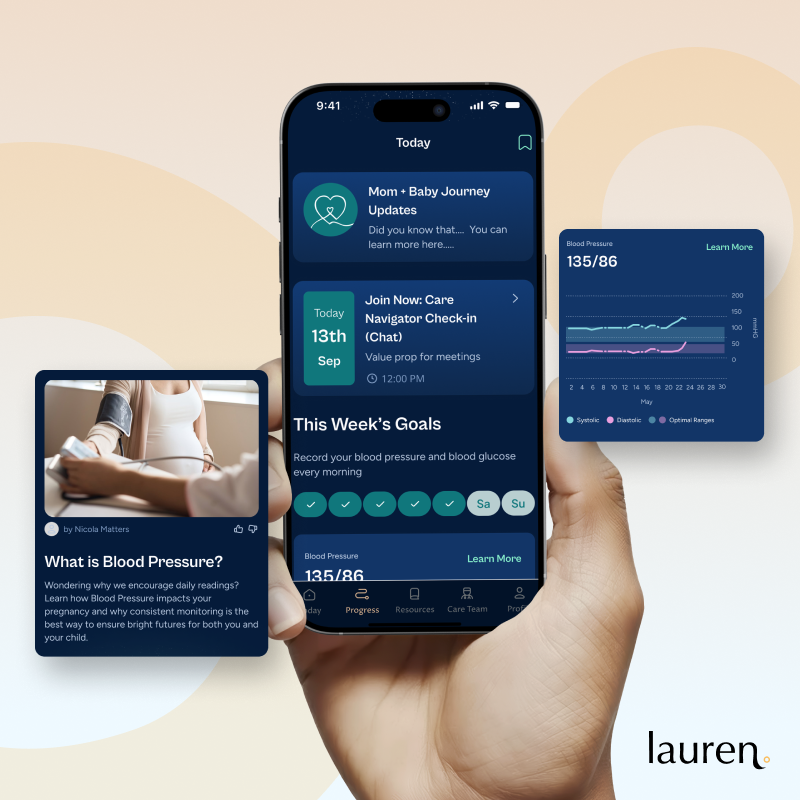
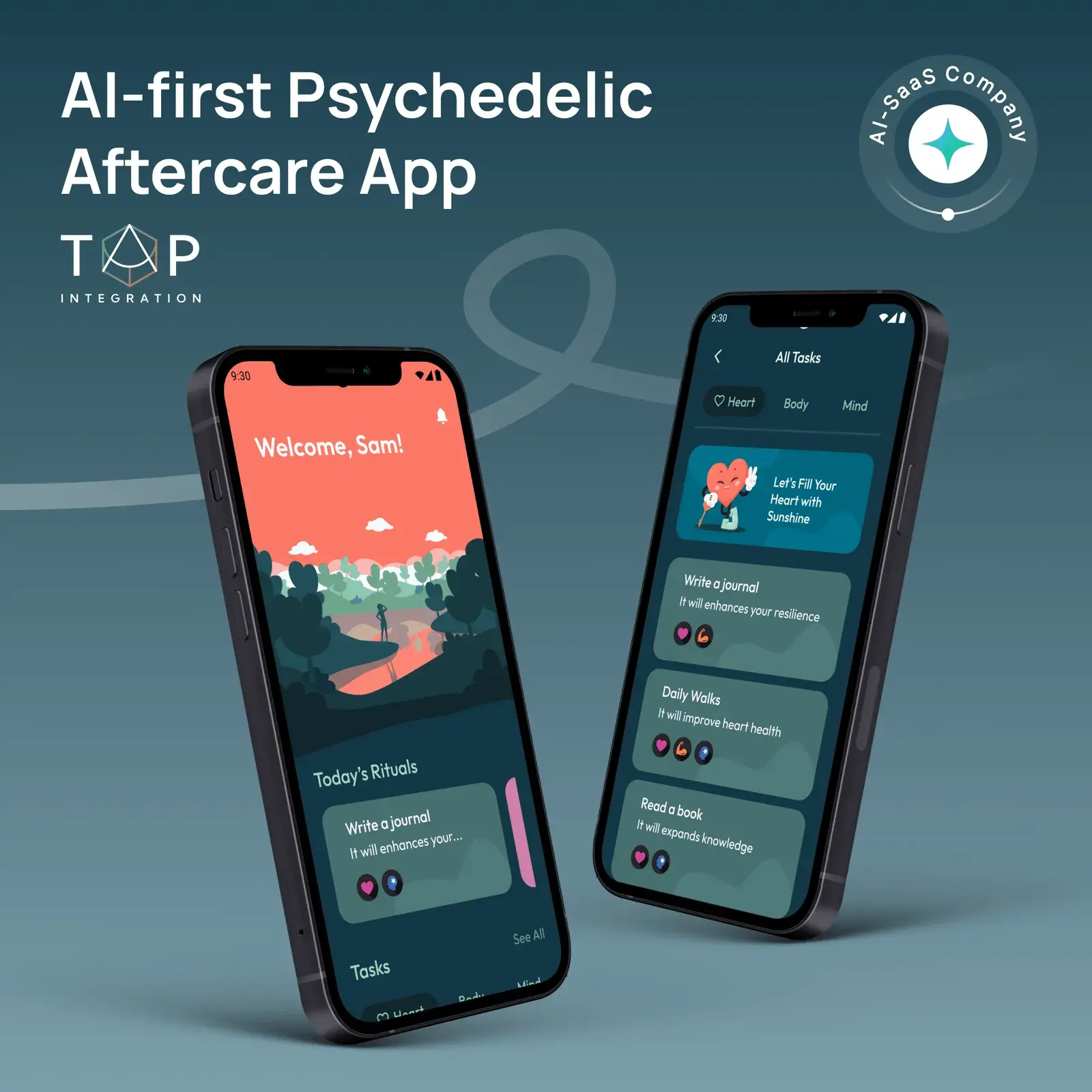
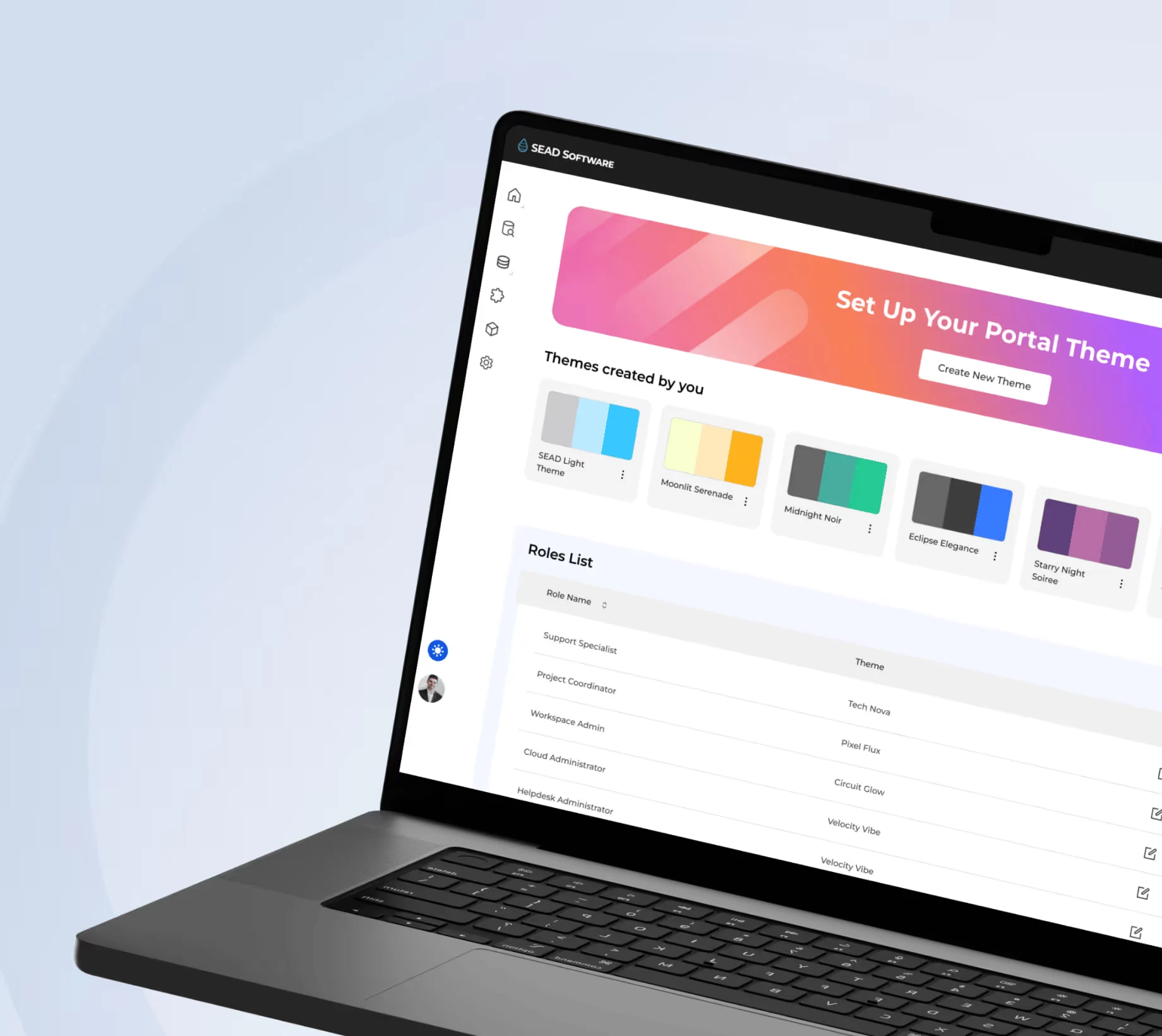
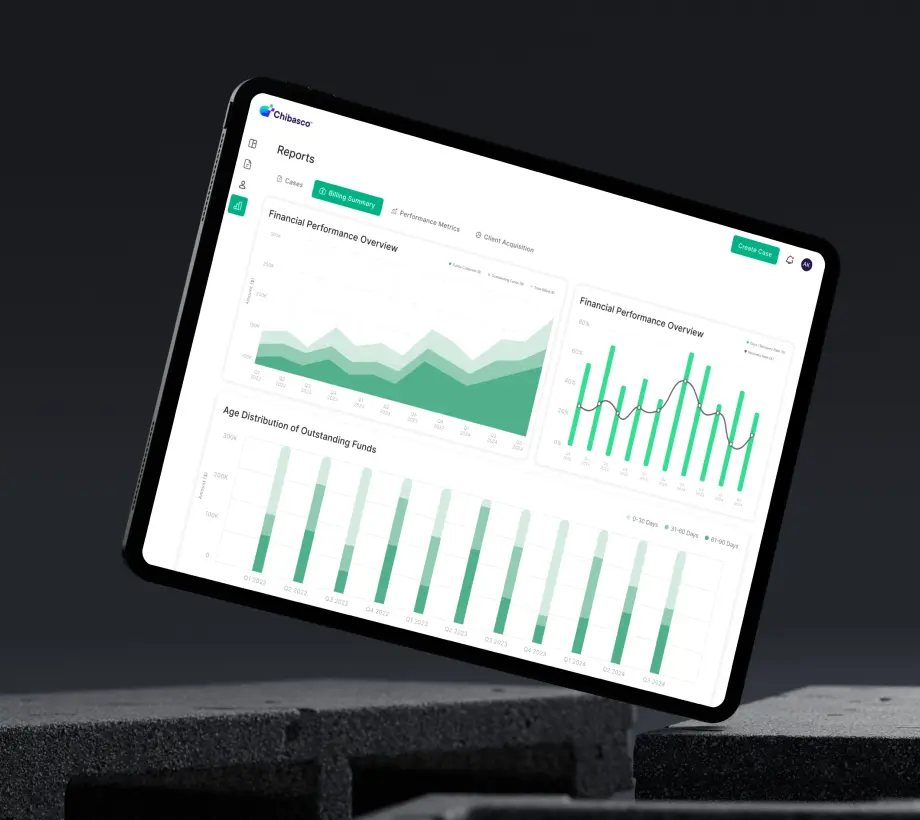
We don't just build products; we forge lasting partnerships. See how we've helped industry leaders transform their vision into technical reality.
"I can clearly see how Agnotic has a unique way of handling end-to-end development. They are always active on quick chat and provide support quickly."

Founder, Benchmark
"Agnotic is the best technical team we evaluated. Their engineering excellence made our work dramatically easier and allowed us to stay focused on what matters most for maternal care outcomes. They took full ownership of the technical execution, and we are always happy to continue working together."

Founder, My Lauren
"Agnotic combines deep technical expertise with strong domain knowledge. They understand the business context, anticipate challenges, and make collaboration smooth and effective."

Founder, Latimer
Tell us your target EHR and clinical use case. We'll return a sandbox onboarding plan, engineering estimate, and marketplace submission timeline.