
Interoperability architecture
Reference architecture for FHIR, HL7, and SMART patterns with clear system boundaries and ownership.

Healthcare Interoperability
We architect, build, and operationalize interoperability across EHR/EMR systems, FHIR R4 APIs, HL7 v2 interfaces, and SMART on FHIR apps so clinical data moves reliably where care happens.
Trusted by global innovators











Interoperability succeeds when standards selection, integration architecture, and operations are designed together from day one.
What this pillar covers
Healthcare interoperability is the discipline of making clinical and operational data flow safely between systems without losing context, fidelity, or auditability.
Most healthcare organizations need a hybrid approach: FHIR R4 for modern APIs, HL7 v2 for existing event flows, and SMART on FHIR for app experiences inside EHR workflows. This page is the pillar that connects those implementation tracks.
Interoperability solution tracks
Use this pillar page as your starting point, then go deeper into the specific interoperability stream your product needs first.
Epic, Cerner, Athenahealth, and other provider systems integrated with realistic go-live planning.
FHIR R4 APIs, resource design, SMART-aligned access, and production-compatible data exchange.
HL7 v2 ADT/ORM/ORU/SIU flows with interface-engine architecture and reliability controls.
Embedded EHR apps with secure launch contexts, OAuth2 flows, and in-workflow user experience.
Core capabilities
We handle strategy, implementation, and production operations for interoperability as one integrated workstream.
Reference architecture for FHIR, HL7, and SMART patterns with clear system boundaries and ownership.
Bidirectional integration with provider systems using the right mix of FHIR APIs and HL7 interfaces.
Resource-level integration, profile-aware mapping, and secure access flows for modern health apps.
Robust event ingestion and transformation with replay-safe queues, retries, and traceable acknowledgements.
Launch-context support and app embedding inside clinician workflows across target EHR ecosystems.
Clinical coding alignment across SNOMED, LOINC, ICD-10, and RxNorm for consistent downstream use.
Transaction-level tracing, failure alerting, and integration health dashboards for operational confidence.
HIPAA-ready pipelines with auditable access paths and PHI-safe operations from development through runtime.
Standards decision
Most healthcare products need more than one standard. Selection should follow workflow and system constraints, not trend bias.
| Standard | Primary role | Best fit |
|---|---|---|
| FHIR R4 | Resource-oriented API interoperability | Modern product integrations, patient apps, analytics pipelines |
| HL7 v2 | Event and message-based exchange | Legacy hospital systems, lab/result workflows, scheduling and admissions |
| SMART on FHIR | Secure app launch and in-EHR context | Embedded clinical tools and third-party apps inside provider workflows |
Pillar strategy: FHIR-first where possible, HL7 where required, SMART where apps run inside EHR context.
Where it applies
Unified patient context across provider systems, care teams, and patient-facing products.
Reliable order/result exchange across EHRs, diagnostic systems, and downstream analytics.
SMART-enabled specialty workflows launched directly inside provider EHR environments.
FHIR/HL7 ingestion streams powering quality metrics, utilization analysis, and risk modeling.
Telehealth and RPM experiences synchronized with systems of record for continuity of care.
Payer, pharmacy, and specialty-network data exchange with security and audit controls.
How we deliver
A phased approach that de-risks standards selection, partner onboarding, and production reliability.
Step 01
Map system landscape, decide FHIR/HL7/SMART approach, and define measurable interoperability outcomes.
Step 02
Plan sandbox access, interface dependencies, and partner readiness before build commitments.
Step 03
Build adapter-based connectors, API gateways, and message handlers aligned to canonical models.
Step 04
Run contract tests, data quality checks, and performance validation under realistic integration load.
Step 05
Deploy with phased cutovers, alerting, and runbooks for failure recovery and partner evolution.
Step 06
Improve connector reuse, reduce maintenance burden, and evolve standards support with each release.
Common blockers
Challenge
One-off connector sprawl
Agnotic approach
Use reusable adapter patterns with canonical models so new integrations scale without full rewrites.
Challenge
Partner schema and API drift
Agnotic approach
Run version-aware contracts, compatibility checks, and rollback-safe release patterns.
Challenge
Poor production visibility
Agnotic approach
Instrument transaction-level telemetry and alerting across all interoperability paths.
Challenge
Standards chosen by preference, not fit
Agnotic approach
Apply workflow-driven standards selection with explicit FHIR, HL7, and SMART criteria.
Standards and compliance
Every Agnotic healthcare build is architected for privacy, interoperability, and regulatory readiness from the first commit — not retrofitted before launch.

Protect PHI with privacy-first architecture, encrypted storage and transmission, strict access controls, and traceable audit logs.

Implement lawful consent flows, data minimization, retention controls, and secure processing for sensitive reproductive and health data.

Enable standardized health data exchange across apps, care teams, and systems through robust FHIR-ready APIs and mappings.

Support enterprise-grade interoperability with HL7-based integrations for records, events, and clinical messaging workflows.

Align security programs to healthcare-specific controls and risk management practices trusted by providers and partners.

Design with breach notification readiness, digital record safeguards, and operational controls that support regulated care programs.

Plan software quality, traceability, and documentation pathways for products that may require SaMD review and regulatory submission.

Prepare EU market-ready processes for risk classification, evidence tracking, and lifecycle governance under MDR expectations.

Apply confidentiality controls and consent-aware sharing models for behavioral and mental health related data experiences.
With a diverse technology stack, we deliver solutions using a technology-Agnostic approach to meet your unique needs.


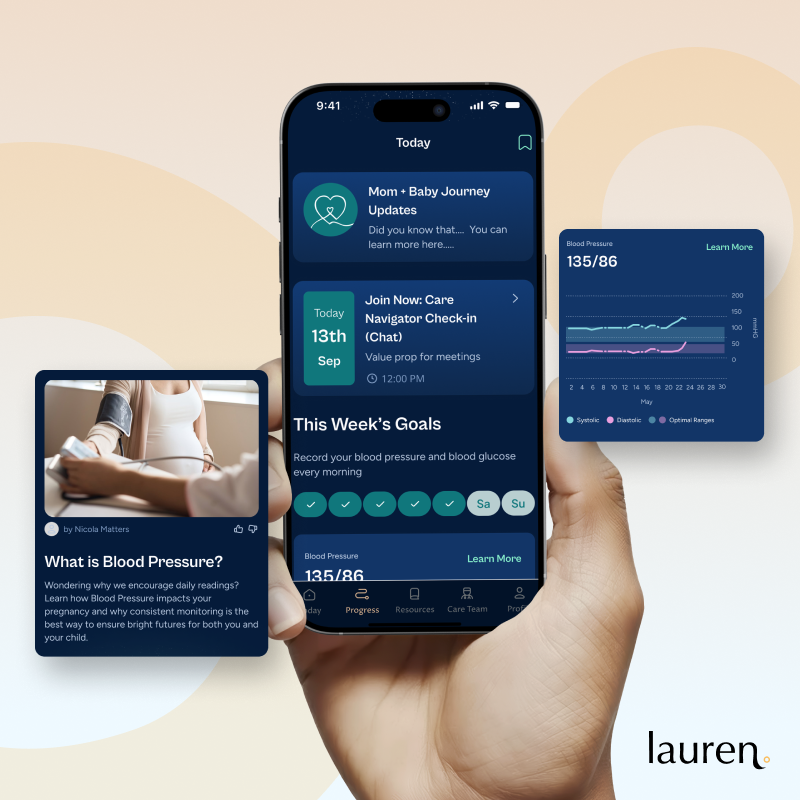
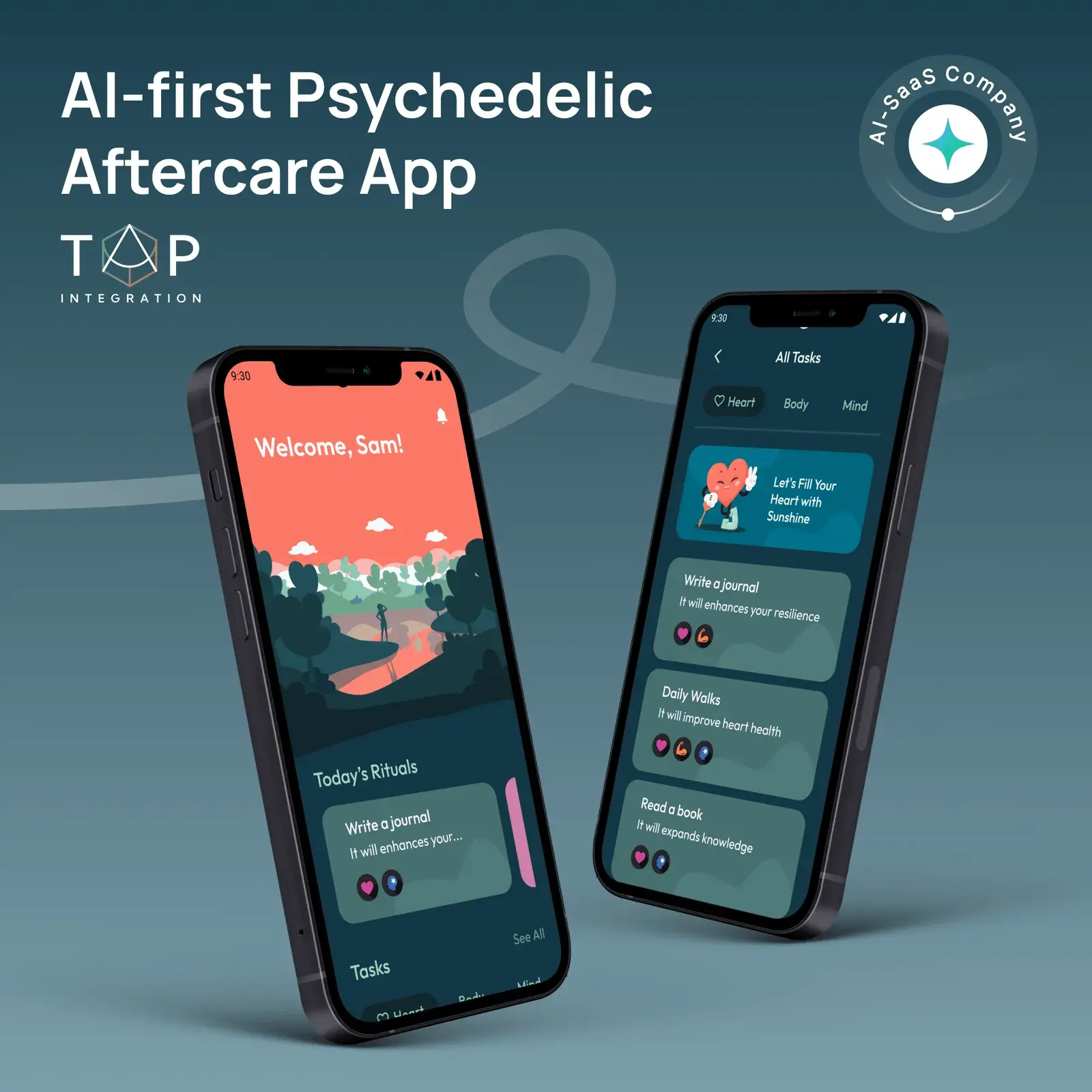
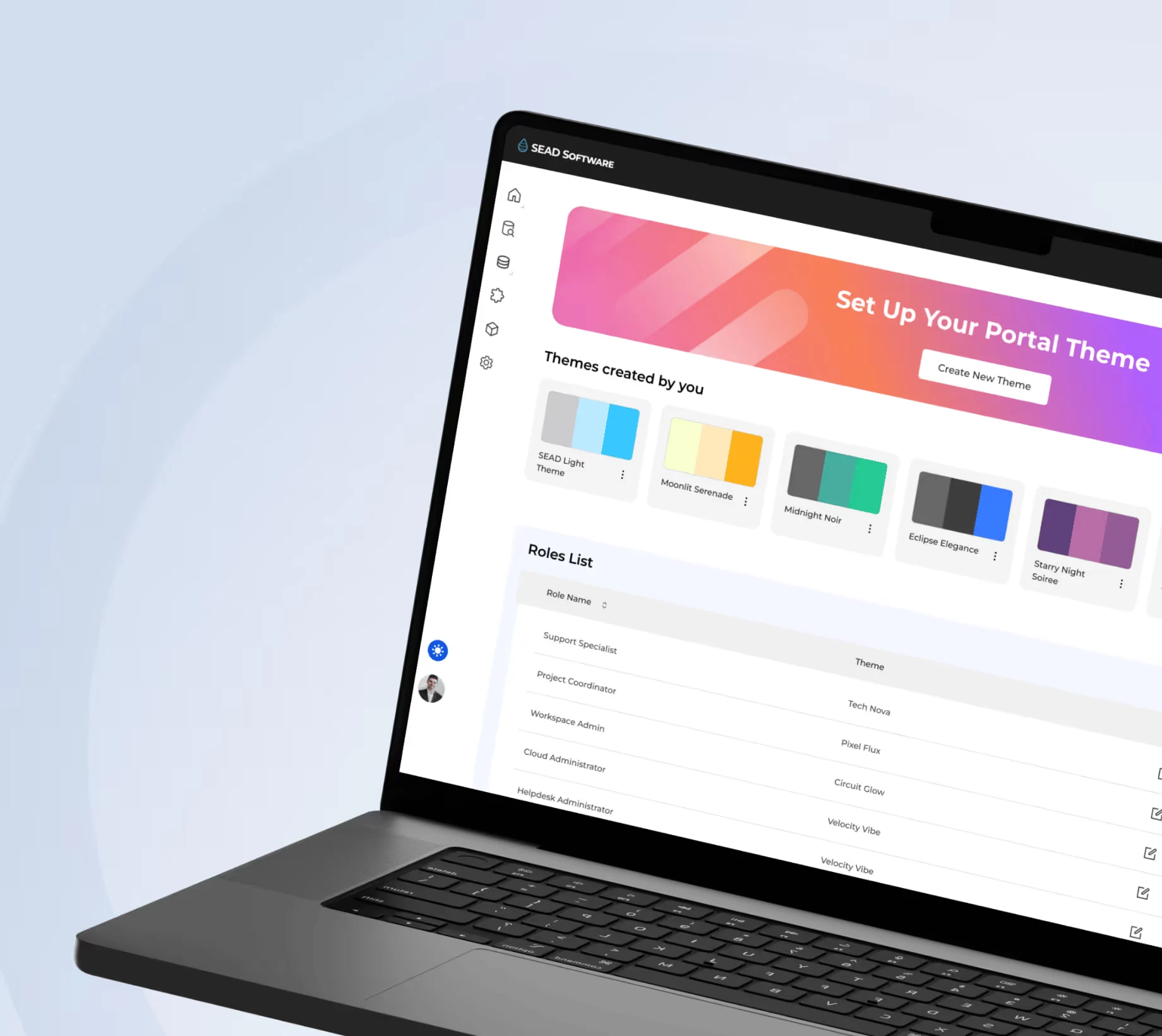
We don't just build products; we forge lasting partnerships. See how we've helped industry leaders transform their vision into technical reality.
"I can clearly see how Agnotic has a unique way of handling end-to-end development. They are always active on quick chat and provide support quickly."

Founder, Benchmark
"Agnotic is the best technical team we evaluated. Their engineering excellence made our work dramatically easier and allowed us to stay focused on what matters most for maternal care outcomes. They took full ownership of the technical execution, and we are always happy to continue working together."

Founder, My Lauren
"Agnotic combines deep technical expertise with strong domain knowledge. They understand the business context, anticipate challenges, and make collaboration smooth and effective."

Founder, Latimer
Share your system landscape and integration priorities. We'll return a phased interoperability plan with standards, sequencing, and operational guardrails.