
HL7 message parsing & mapping
Production-grade parsers for HL7 v2 messages with custom segment handling and field mapping.

HL7 Integration
Connect hospitals, labs, pharmacies, EHRs, and billing systems with HL7 v2 messaging — ADT, ORU, ORM, SIU, MDM — using Mirth, Rhapsody, or Azure interface engines.

Trusted by global innovators










Modern FHIR builds still need HL7 v2 to reach the majority of the installed base. Our HL7 practice bridges both worlds cleanly.
What HL7 is
HL7 (Health Level Seven) is a global standard for exchanging healthcare information between hospitals, labs, EHRs, pharmacies, and billing systems. HL7 v2 — the message-based version — remains in widespread production use despite FHIR's rise.
We implement HL7 v2 interfaces, HL7 ↔ FHIR transformation pipelines, and interface engines that manage message flow across heterogeneous health systems. Your modern stack doesn't have to abandon HL7 to move forward.
Core capabilities
A full HL7 practice — from interface engine design to HL7 → FHIR migration.
Production-grade parsers for HL7 v2 messages with custom segment handling and field mapping.
Custom channels and transformers on Mirth, Rhapsody, or Azure Health Data Services.
Low-latency MLLP over TCP/IP with acknowledgement handling and retry logic.
ADT, ORU, ORM, SIU, MDM, DFT, RAS, VXU — and custom message types as needed.
Clinical Document Architecture exchange for continuity-of-care documents.
Bidirectional transformation for hybrid modern / legacy deployments.
MLLP, SFTP, HTTP/S, TCP/IP, SOAP — the protocols real hospitals use.
HIE connectivity and multi-organization data exchange.
Imaging workflow integration alongside HL7 messaging.
Message types
The core message types in production healthcare — and what they actually do.
| Code | Name | Typical use |
|---|---|---|
| ADT | Admit, Discharge, Transfer | Patient movement events — admissions, discharges, transfers, updates to demographics and insurance. |
| ORU | Observation Result Unsolicited | Lab, radiology, and diagnostic results sent from ancillary systems to EHRs and ordering clinicians. |
| ORM | Order Message | Orders for labs, imaging, medications, and procedures placed by providers. |
| SIU | Scheduling Information Unsolicited | Appointment creation, rescheduling, cancellation, and status updates across systems. |
| MDM | Medical Document Management | Document events — transcription, clinical notes, and document status changes. |
| DFT | Detailed Financial Transaction | Charges, billing events, and financial adjustments flowing to billing and claims systems. |
| RAS / RGV | Medication admin / dispense | Pharmacy message types for medication administration, dispensing, and tracking. |
| VXU | Unsolicited Vaccination Record Update | Immunisation data exchange with IIS (immunisation information systems) and public health registries. |
Interface engine decision
Which interface engine to run behind your HL7 stack is a consequential call — here's our take.
| Dimension | Mirth Connect | Rhapsody | Azure Health Data Services |
|---|---|---|---|
| Licence model | Open source + paid tier | Commercial | Consumption (Azure) |
| Fit | SMB to mid-market | Enterprise, high-volume | Azure-native deployments |
| Learning curve | Moderate | Steep but comprehensive | Familiar for Azure teams |
| Transformation tooling | JavaScript transformers | Powerful mapping tooling | Azure + custom logic |
| HL7 ↔ FHIR | Supported via connectors | Strong native support | Native FHIR integration |
| Ops overhead | Self-managed by default | Vendor support available | Managed service |
We work with all three, and we'll match engine to workload rather than push a default.
Where it runs
Core EHR-to-ancillary system messaging across inpatient and ambulatory operations.
Order and result flow between labs, imaging centres, and ordering clinicians.
Financial transaction messaging from clinical events to billing systems.
Bridging telehealth platforms into hospital HL7 infrastructure.
Cross-system patient demographic and clinical data sync.
Regional and national health information exchange connectivity.
How we ship
Step 01
Source and target systems, message types, volume, and latency requirements.
Step 02
Channel design, transformer logic, and acknowledgement flow on the chosen engine.
Step 03
Segment and field mapping with clinical coding alignment.
Step 04
Synthetic data runs, partner-assisted UAT, and performance validation.
Step 05
Phased cutover with message health dashboards and alert routing.
Step 06
For teams moving to FHIR, parallel operation and staged cutover.
Common failure modes
Challenge
Legacy system integration without vendor documentation
Agnotic approach
Custom parsers, reverse-engineered segment mappings, and partner-assisted validation.
Challenge
Point-to-point spaghetti across a hospital
Agnotic approach
Interface engine consolidation — replacing per-system bespoke integrations with a managed interface layer.
Challenge
Data inconsistency between sending systems
Agnotic approach
Canonical data model, terminology services, and reconciliation workflows for ambiguous inputs.
Challenge
Compliance and audit expectations
Agnotic approach
Message-level audit logging, HIPAA-aware PHI handling, and retention policy enforcement.
Challenge
Workflow inefficiencies from message-based delays
Agnotic approach
Event-driven enhancements — FHIR subscriptions or Kafka layer — for workflows that need near-real-time response.
Compliance & standards
Every Agnotic healthcare build is architected for privacy, interoperability, and regulatory readiness from the first commit — not retrofitted before launch.

Protect PHI with privacy-first architecture, encrypted storage and transmission, strict access controls, and traceable audit logs.

Implement lawful consent flows, data minimization, retention controls, and secure processing for sensitive reproductive and health data.

Enable standardized health data exchange across apps, care teams, and systems through robust FHIR-ready APIs and mappings.

Support enterprise-grade interoperability with HL7-based integrations for records, events, and clinical messaging workflows.
Align security programs to healthcare-specific controls and risk management practices trusted by providers and partners.

Design with breach notification readiness, digital record safeguards, and operational controls that support regulated care programs.
Plan software quality, traceability, and documentation pathways for products that may require SaMD review and regulatory submission.

Prepare EU market-ready processes for risk classification, evidence tracking, and lifecycle governance under MDR expectations.

Apply confidentiality controls and consent-aware sharing models for behavioral and mental health related data experiences.
With a diverse technology stack, we deliver solutions using a technology-Agnostic approach to meet your unique needs.

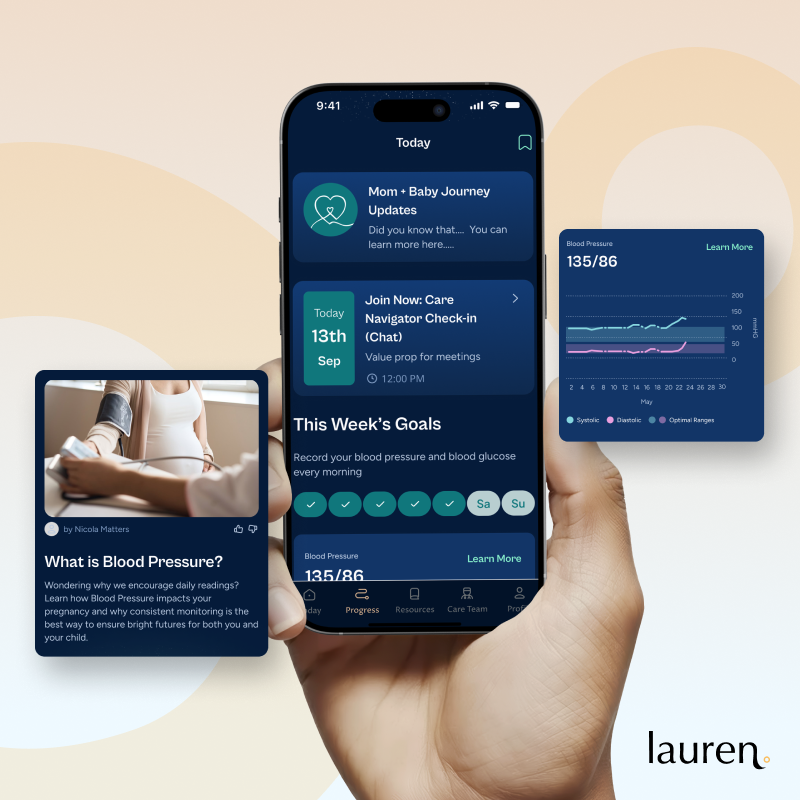
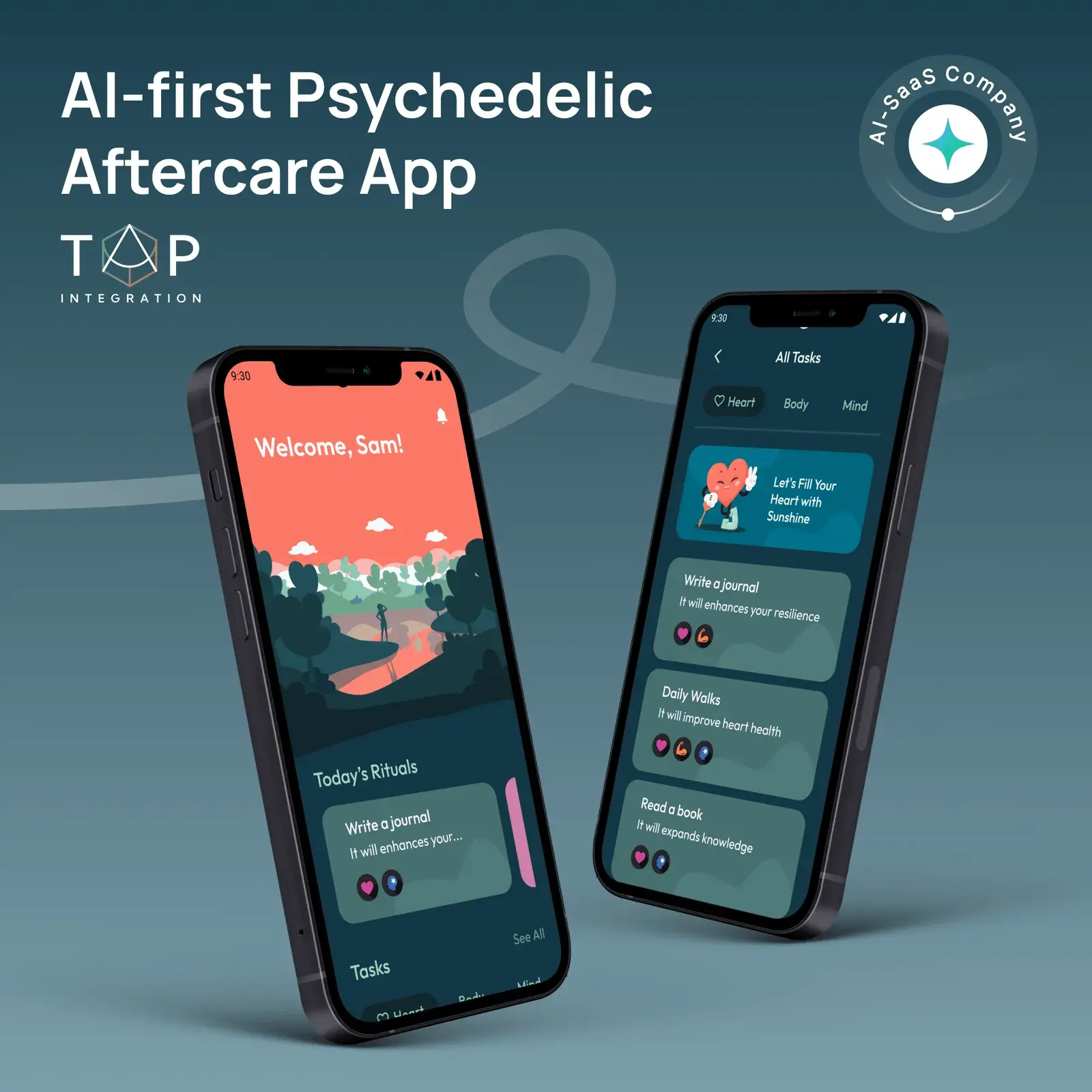
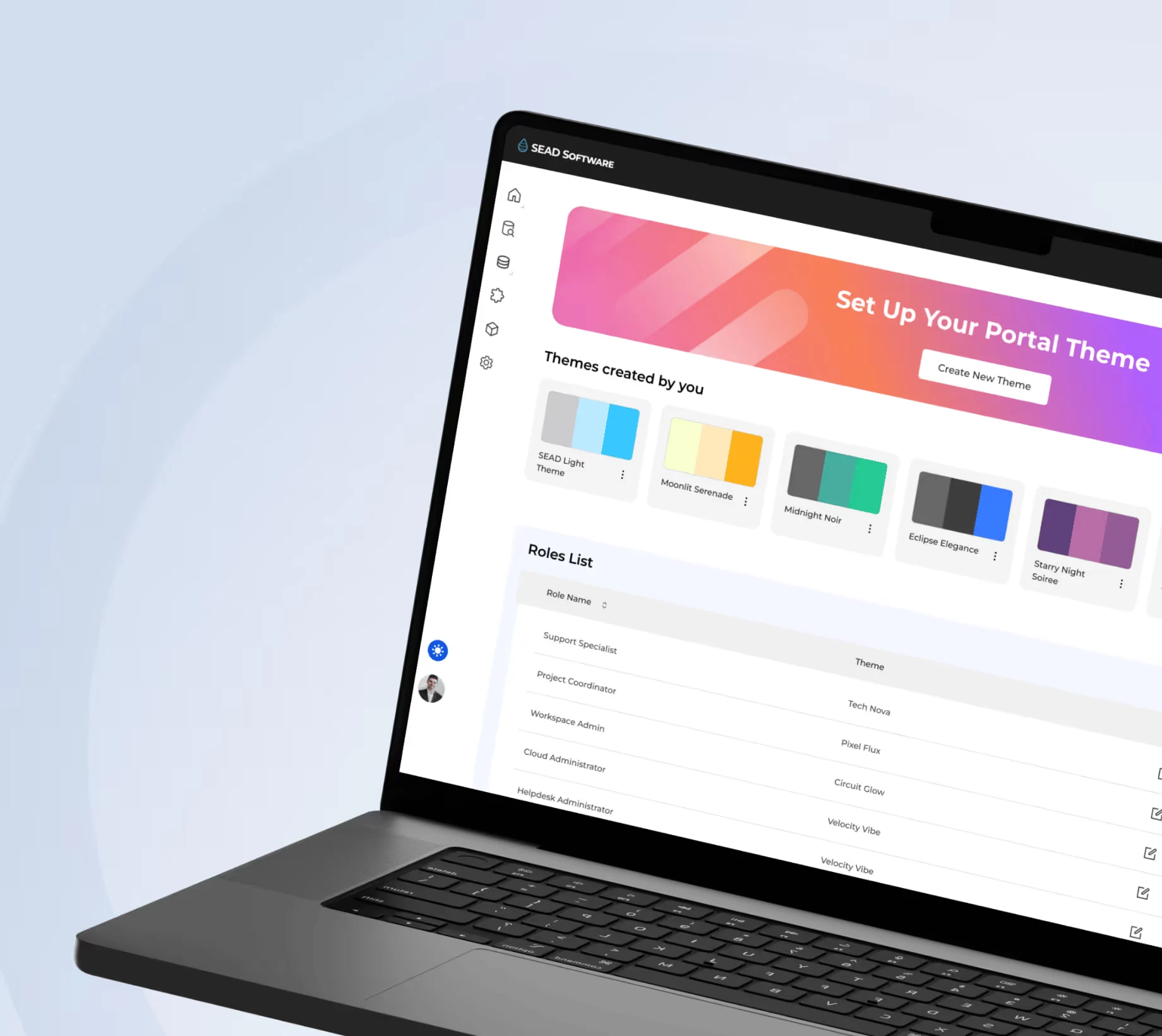
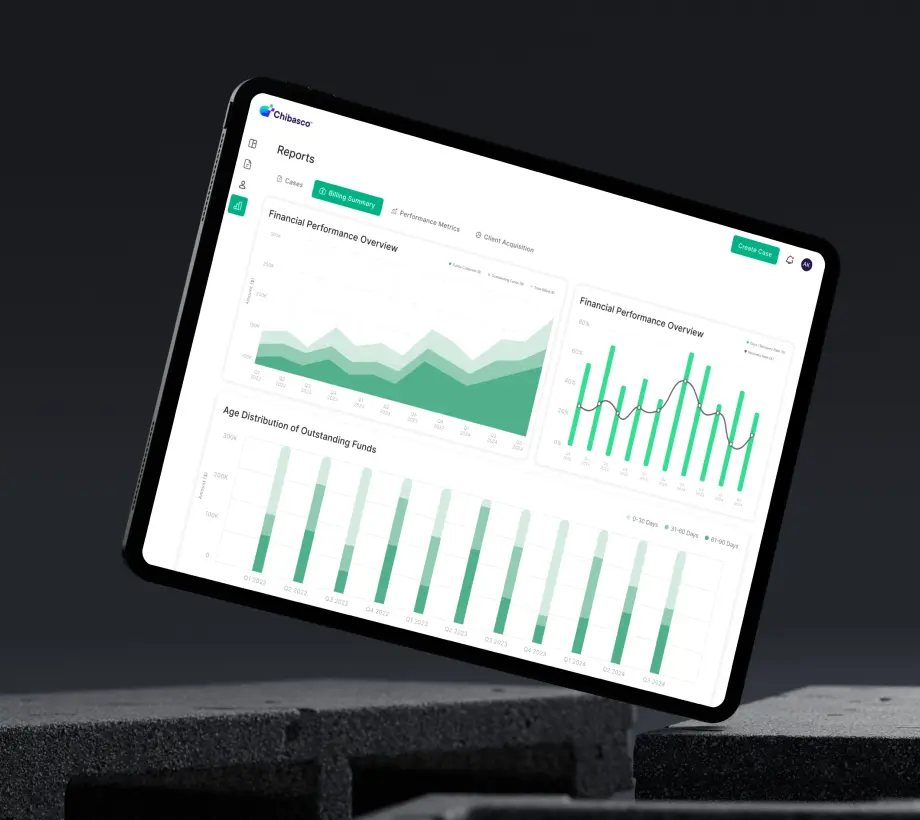
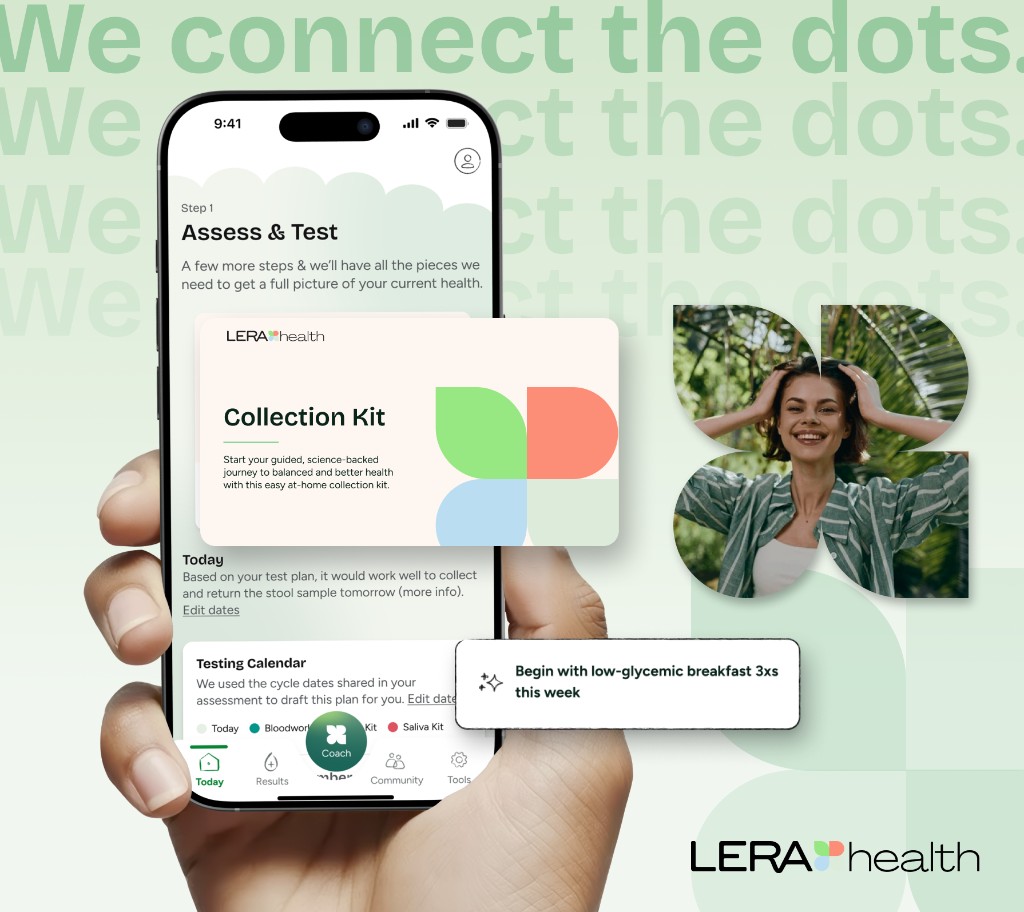
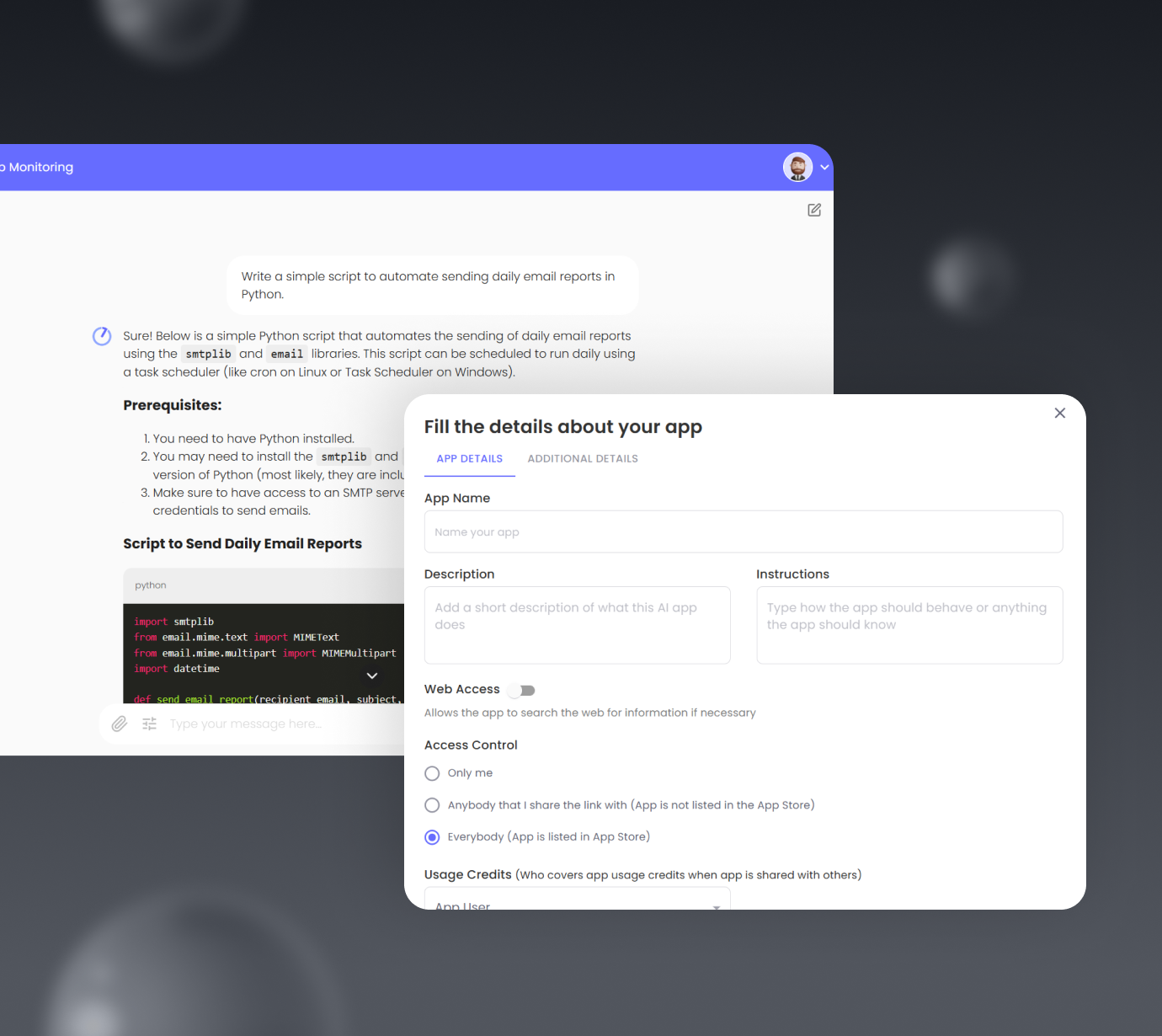
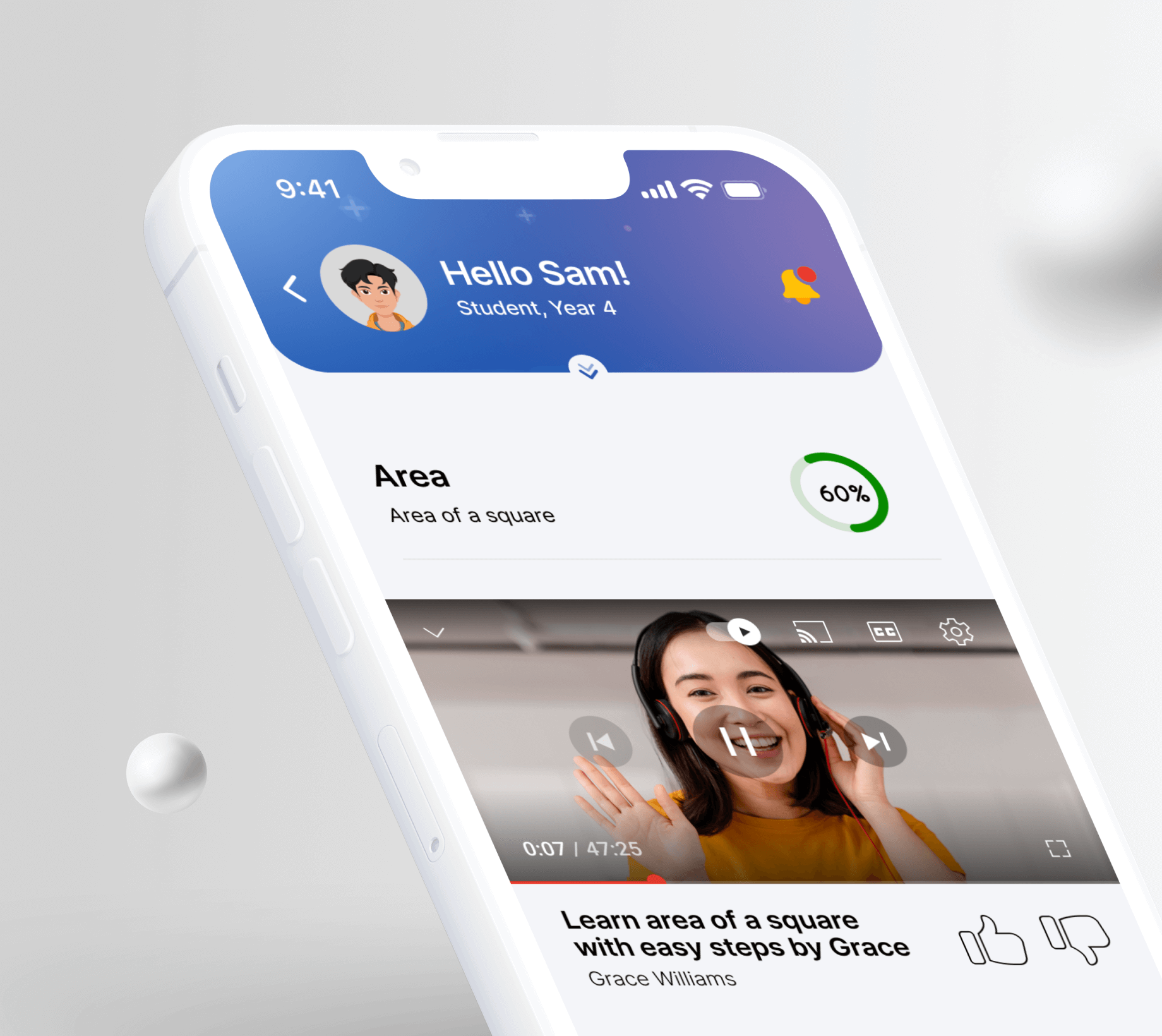
We don't just build products; we forge lasting partnerships. See how we've helped industry leaders transform their vision into technical reality.
"I can clearly see how Agnotic has a unique way of handling end-to-end development. They are always active on quick chat and provide support quickly."

Founder, Benchmark
"Agnotic is the best technical team we evaluated. Their engineering excellence made our work dramatically easier and allowed us to stay focused on what matters most for maternal care outcomes. They took full ownership of the technical execution, and we are always happy to continue working together."

Founder, My Lauren
"Agnotic combines deep technical expertise with strong domain knowledge. They understand the business context, anticipate challenges, and make collaboration smooth and effective."

Founder, Latimer
Connect your systems with HL7 and unlock efficient, standardised data exchange — with a realistic plan for HL7 → FHIR migration when you're ready.