
FHIR R4 integration
Production-grade integration with EHR FHIR APIs across Epic, Cerner, Athenahealth, and others.

FHIR Integration
FHIR R4 integration across Epic, Cerner, Athenahealth, and modern health systems — RESTful architecture, HIPAA-ready pipelines, scoped correctly from day one.

Trusted by global innovators











FHIR is the modern standard for health data exchange. Our FHIR practice is tuned for the production realities of Epic, Cerner, and the broader ecosystem.
What FHIR is
FHIR (Fast Healthcare Interoperability Resources) is HL7's modern standard for how health data is structured, shared, and accessed across systems via RESTful APIs. It replaces — or augments — bulk message-based approaches with real-time, resource-oriented endpoints.
FHIR supports JSON, XML, and HTTP. It models clinical data as Resources (Patient, Observation, MedicationRequest, etc.), supports events, documents, and APIs, and enables developers to build mobile and cloud apps against any compliant system.
Core capabilities
A full-stack FHIR practice — integration, transformation, analytics, and app embedding.
Production-grade integration with EHR FHIR APIs across Epic, Cerner, Athenahealth, and others.
Bidirectional transformation between HL7 v2 and FHIR R4 for hybrid legacy / modern deployments.
Embedded apps with patient, user, and system-level launch contexts inside EHRs.
Population-level extraction via FHIR $export for analytics and research platforms.
Decision-support triggers embedded in EHR workflows for real-time clinical guidance.
Self-hosted or managed FHIR servers — Azure FHIR, AWS HealthLake, HAPI FHIR.
SNOMED, LOINC, ICD-10, RxNorm resolution and mapping.
SMART-on-FHIR patient apps for access and engagement.
FHIR data as source for analytics, population health, and ML pipelines.
Architecture options
We pick based on where data lives, message volume, and whether event-driven flows matter.
FHIR vs HL7
FHIR builds on earlier HL7 standards but is fundamentally different in architecture. Here's when each fits.
| Dimension | HL7 v2 | FHIR R4 |
|---|---|---|
| Architecture | Message-based feeds | RESTful APIs |
| Data format | Pipe-delimited text | JSON, XML |
| Access pattern | Bulk / event-driven messages | On-demand resource access |
| Implementation effort | Mature tooling, rigid format | Easier to implement and scale |
| Fit | Legacy EHR, clinical events | Mobile, cloud, modern apps |
| Our default | Support where required | Target for new builds |
Most modern builds run FHIR-first with HL7 v2 as a compatibility surface for legacy systems.
Where it runs
Primary use case — bidirectional data flow between your app and the EHR of record.
SMART-on-FHIR patient apps with authenticated access to clinical data.
FHIR-native cloud deployments on Azure, AWS, and GCP health platforms.
FHIR-integrated telehealth with real clinical context during visits.
FHIR bulk export as source for analytics and research.
Integration with payer, lab, and specialty APIs via FHIR.
How we ship
A six-step process to de-risk FHIR integration before committing to engineering.
Step 01
Target EHR, FHIR version, resources needed, and compliance posture.
Step 02
What resources does the target system support, with what coverage?
Step 03
Gateway, authentication, and request orchestration layer.
Step 04
HL7 ↔ FHIR where relevant, terminology mapping, and custom extensions.
Step 05
Synthetic and partner-assisted data validation, performance testing.
Step 06
Production rollout with observability, alert routing, and continuous compatibility monitoring.
Standards we build against
Every Agnotic healthcare build is architected for privacy, interoperability, and regulatory readiness from the first commit — not retrofitted before launch.

Protect PHI with privacy-first architecture, encrypted storage and transmission, strict access controls, and traceable audit logs.

Implement lawful consent flows, data minimization, retention controls, and secure processing for sensitive reproductive and health data.

Enable standardized health data exchange across apps, care teams, and systems through robust FHIR-ready APIs and mappings.

Support enterprise-grade interoperability with HL7-based integrations for records, events, and clinical messaging workflows.

Align security programs to healthcare-specific controls and risk management practices trusted by providers and partners.

Design with breach notification readiness, digital record safeguards, and operational controls that support regulated care programs.

Plan software quality, traceability, and documentation pathways for products that may require SaMD review and regulatory submission.

Prepare EU market-ready processes for risk classification, evidence tracking, and lifecycle governance under MDR expectations.

Apply confidentiality controls and consent-aware sharing models for behavioral and mental health related data experiences.
With a diverse technology stack, we deliver solutions using a technology-Agnostic approach to meet your unique needs.


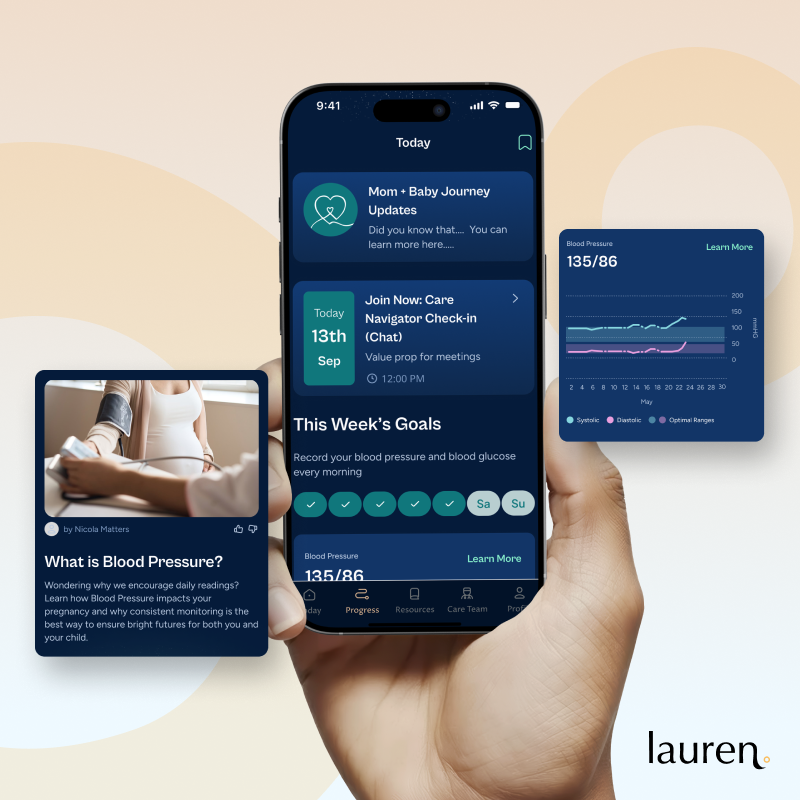
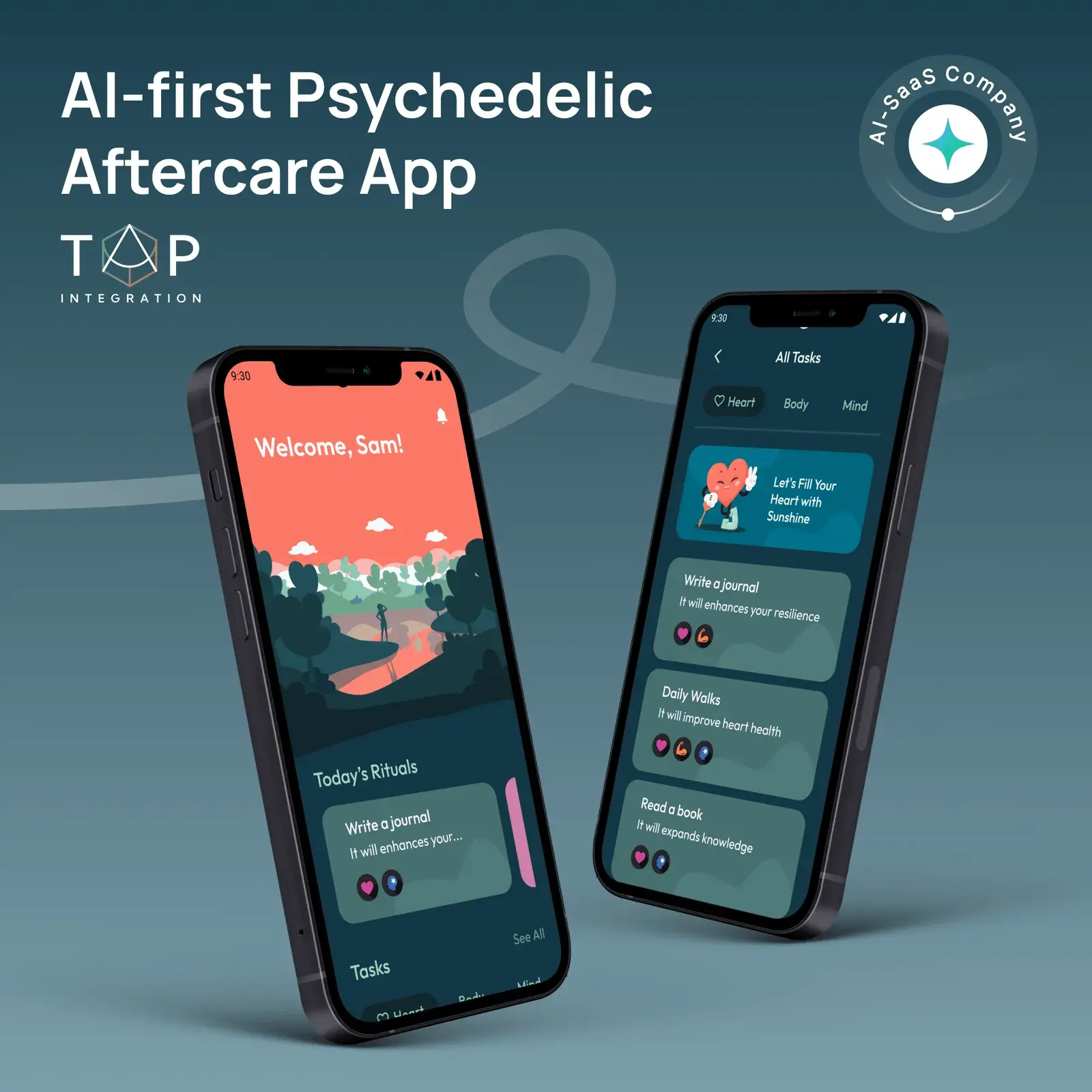
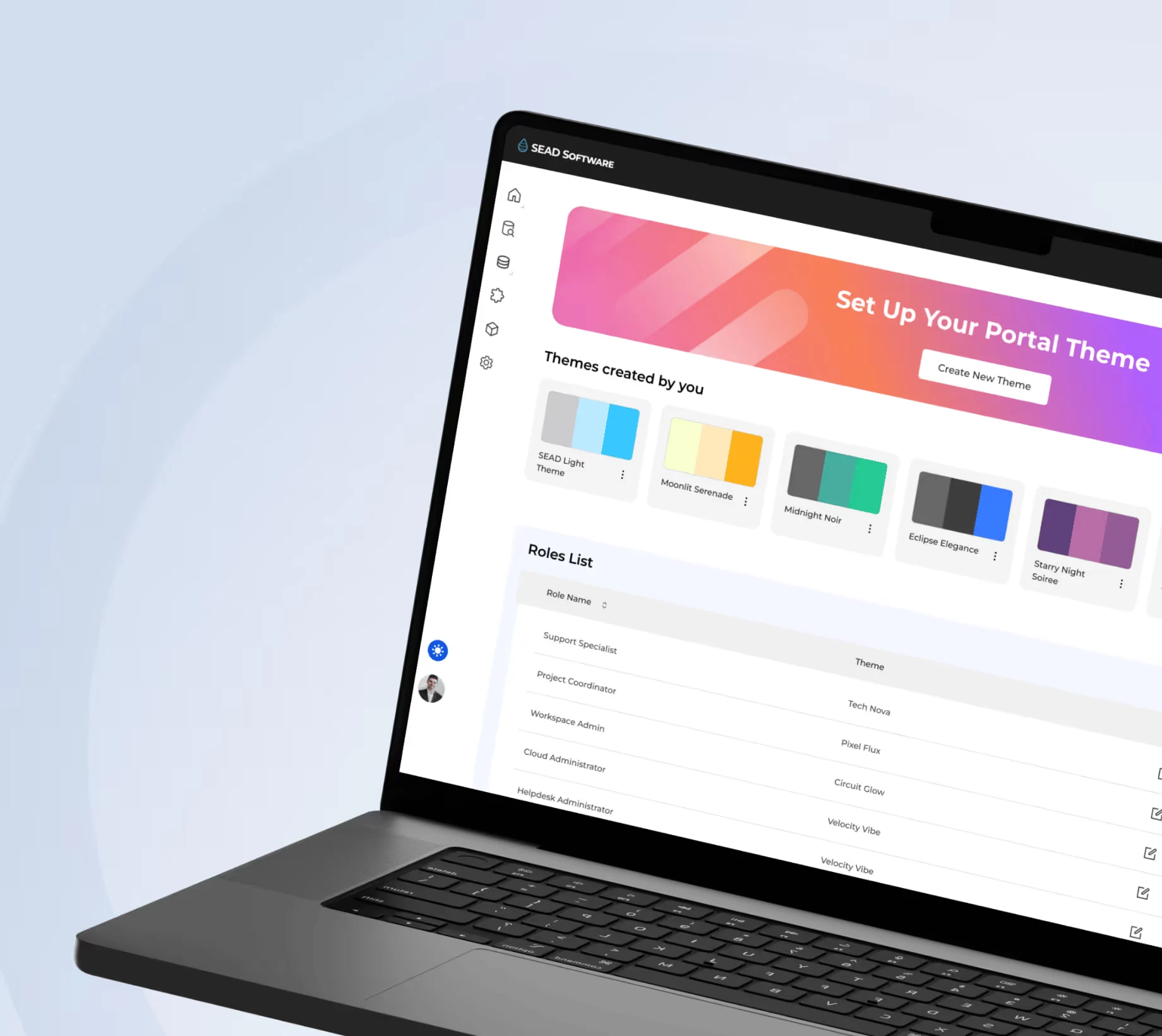
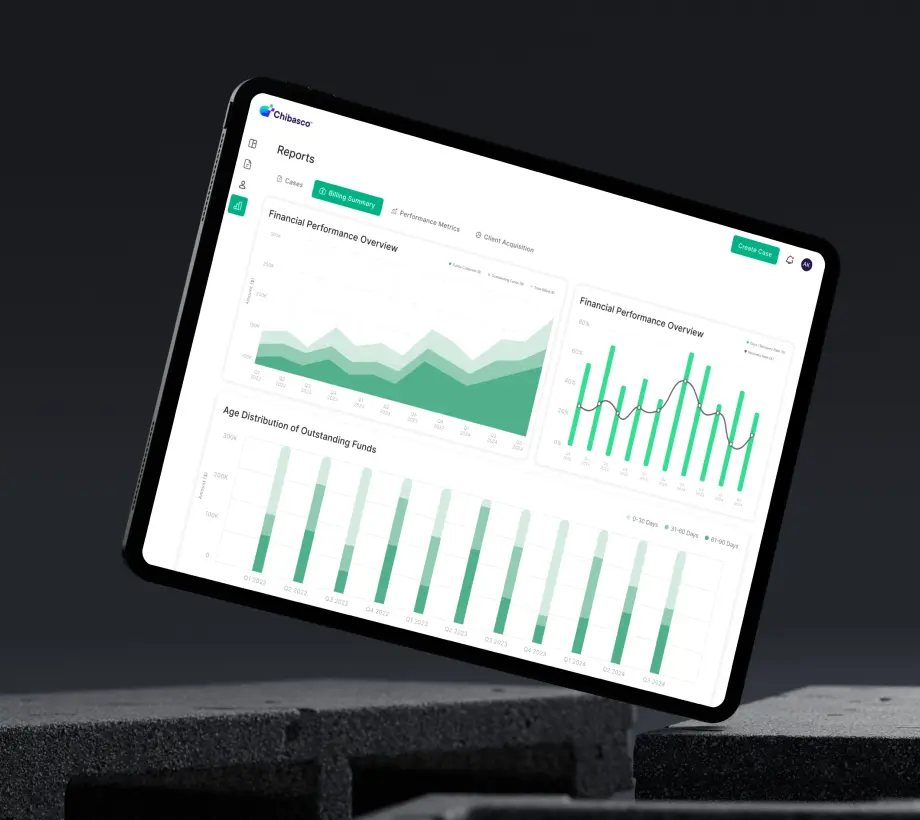
We don't just build products; we forge lasting partnerships. See how we've helped industry leaders transform their vision into technical reality.
"I can clearly see how Agnotic has a unique way of handling end-to-end development. They are always active on quick chat and provide support quickly."

Founder, Benchmark
"Agnotic is the best technical team we evaluated. Their engineering excellence made our work dramatically easier and allowed us to stay focused on what matters most for maternal care outcomes. They took full ownership of the technical execution, and we are always happy to continue working together."

Founder, My Lauren
"Agnotic combines deep technical expertise with strong domain knowledge. They understand the business context, anticipate challenges, and make collaboration smooth and effective."

Founder, Latimer
Unlock real-time interoperability. Tell us your target EHRs and resource needs, and we'll return a scoped FHIR integration plan.