
Clinical user research
Clinician shadowing, lived-experience interviews, and on-site workflow observation.

Healthcare UX & UI
Healthcare UX design tuned to real clinical workflow, patient cognitive load, and WCAG-plus accessibility — not prettified dashboards built for screenshots.

Trusted by global innovators











We design for the constraints healthcare actually has — shift fatigue, alert fatigue, accessibility, and clinical safety.
What clinical UX means
Healthcare users aren't your standard product persona. Clinicians work 10–16 hour shifts, get interrupted constantly, and absorb hundreds of pieces of information per hour. Patients log in stressed, scared, or sick. Admins juggle workflows the software shapes as much as reflects.
Clinical UX accounts for all of this: shift-aware information density, patient-safe language and affordances, administrator workflow clarity, and accessibility that actually matters to real users — not just your WCAG audit.
Core capabilities
A full healthcare design practice — research, systems, interaction, and validation.
Clinician shadowing, lived-experience interviews, and on-site workflow observation.
Patient usability studies tuned to stressed, anxious, or accessibility-impaired users.
Design systems that encode clinical safety, accessibility, and HIPAA-aware patterns.
UX for embedded SMART on FHIR apps, EHR-integrated workflows, and clinician consoles.
Symptom trackers, patient portals, and engagement apps tuned for real patient contexts.
Scheduling, billing, and ops workflows shaped around actual operational reality.
WCAG 2.2 AA baseline, screen-reader support, motor-impairment aware patterns.
Usability studies, clinical safety walkthroughs, and accessibility audits pre-launch.
Design systems, component libraries, and handoff artefacts engineered for healthcare builds.
Design differences
Same codebase, three radically different design postures. Treating them the same is a common failure mode.
| Dimension | Patient | Clinician | Admin |
|---|---|---|---|
| Cognitive load tolerance | Low — often stressed or sick | High — but interrupted constantly | Medium — shaped by workflow |
| Information density | Minimal, guided | Dense, scannable, glance-able | Tabular, sortable, batch-capable |
| Primary device | Mobile-first | Desktop + tablet at bedside | Desktop-primary |
| Session length | Short, intermittent | Long, multi-tasked | Long, focused |
| Accessibility priority | High — age, stress, literacy | Medium — fatigue, one-handed | Medium — extended focus |
| Language register | Plain, reassuring, non-clinical | Clinical precision | Operational, action-oriented |
Production healthcare UX usually needs all three tuned separately — not the same component with different data.
Where it runs
Video visit flow, provider console, and patient intake designed for clinical efficiency.
SMART on FHIR app UX tuned for in-EHR launch and clinician workflow.
Record access, messaging, billing, and appointments in a patient-safe frame.
Multi-patient clinical dashboards with risk scoring and alert triage.
Design for distressed users with calm patterns and crisis affordances.
Organisation-level design systems encoding clinical safety and accessibility.
How we design
Step 01
Shadow clinicians, interview patients, map actual workflow.
Step 02
Architecture shaped by clinical workflow, not content-management structure.
Step 03
Patterns tuned to stressed, distracted, or accessibility-impaired users.
Step 04
Visual system encoding clinical safety, accessibility, and brand.
Step 05
Usability studies, clinical safety walkthroughs, accessibility audits.
Step 06
Design tokens, component library, and engineering partnership through launch.
Common design pitfalls
Challenge
Design-for-screenshots instead of shift realities
Agnotic approach
Shift-aware density patterns and clinician shadowing to ground design in actual workflow.
Challenge
Patient UX assuming fully able, non-stressed users
Agnotic approach
Patient research with stressed, accessibility-impaired, and low-literacy users.
Challenge
Accessibility as last-quarter audit
Agnotic approach
WCAG 2.2 AA baked into design system, validated at every milestone.
Challenge
Admin UX that fights the workflow it's supposed to support
Agnotic approach
Admin workflow UX co-designed with ops teams, not just product owners.
Standards we design against
Every Agnotic healthcare build is architected for privacy, interoperability, and regulatory readiness from the first commit — not retrofitted before launch.

Protect PHI with privacy-first architecture, encrypted storage and transmission, strict access controls, and traceable audit logs.

Implement lawful consent flows, data minimization, retention controls, and secure processing for sensitive reproductive and health data.

Enable standardized health data exchange across apps, care teams, and systems through robust FHIR-ready APIs and mappings.

Support enterprise-grade interoperability with HL7-based integrations for records, events, and clinical messaging workflows.
Align security programs to healthcare-specific controls and risk management practices trusted by providers and partners.

Design with breach notification readiness, digital record safeguards, and operational controls that support regulated care programs.
Plan software quality, traceability, and documentation pathways for products that may require SaMD review and regulatory submission.

Prepare EU market-ready processes for risk classification, evidence tracking, and lifecycle governance under MDR expectations.

Apply confidentiality controls and consent-aware sharing models for behavioral and mental health related data experiences.
With a diverse technology stack, we deliver solutions using a technology-Agnostic approach to meet your unique needs.

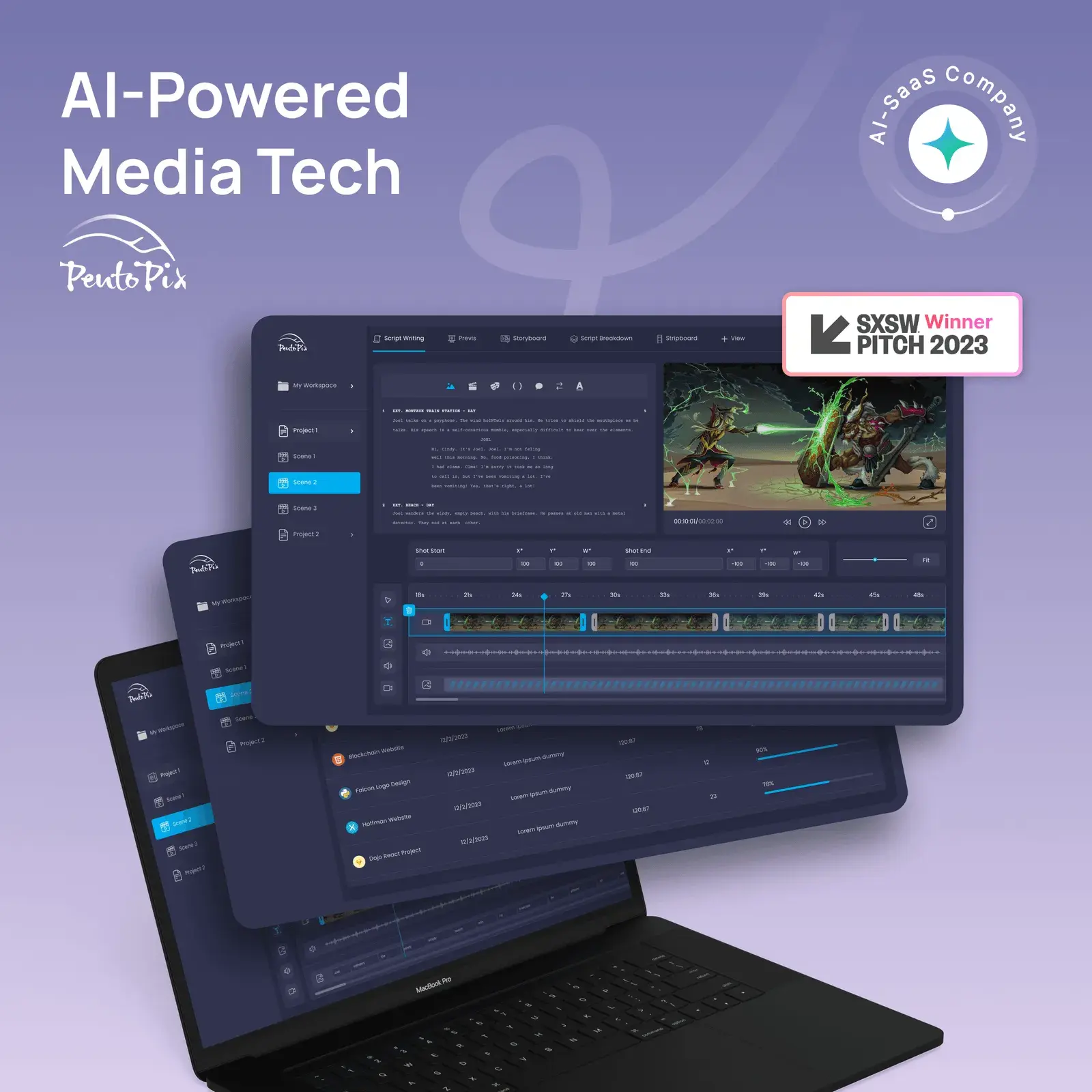
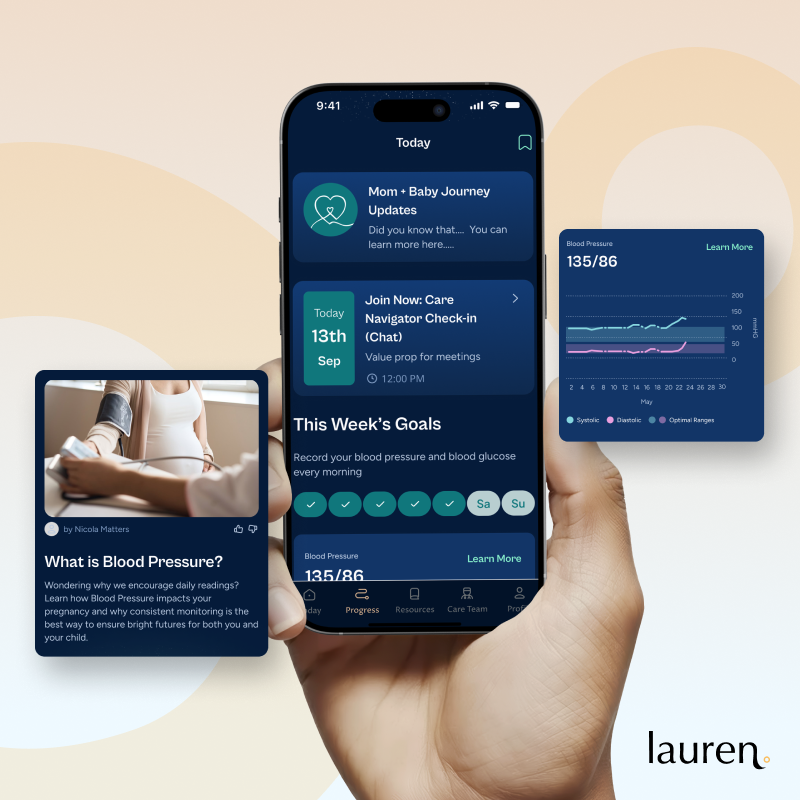
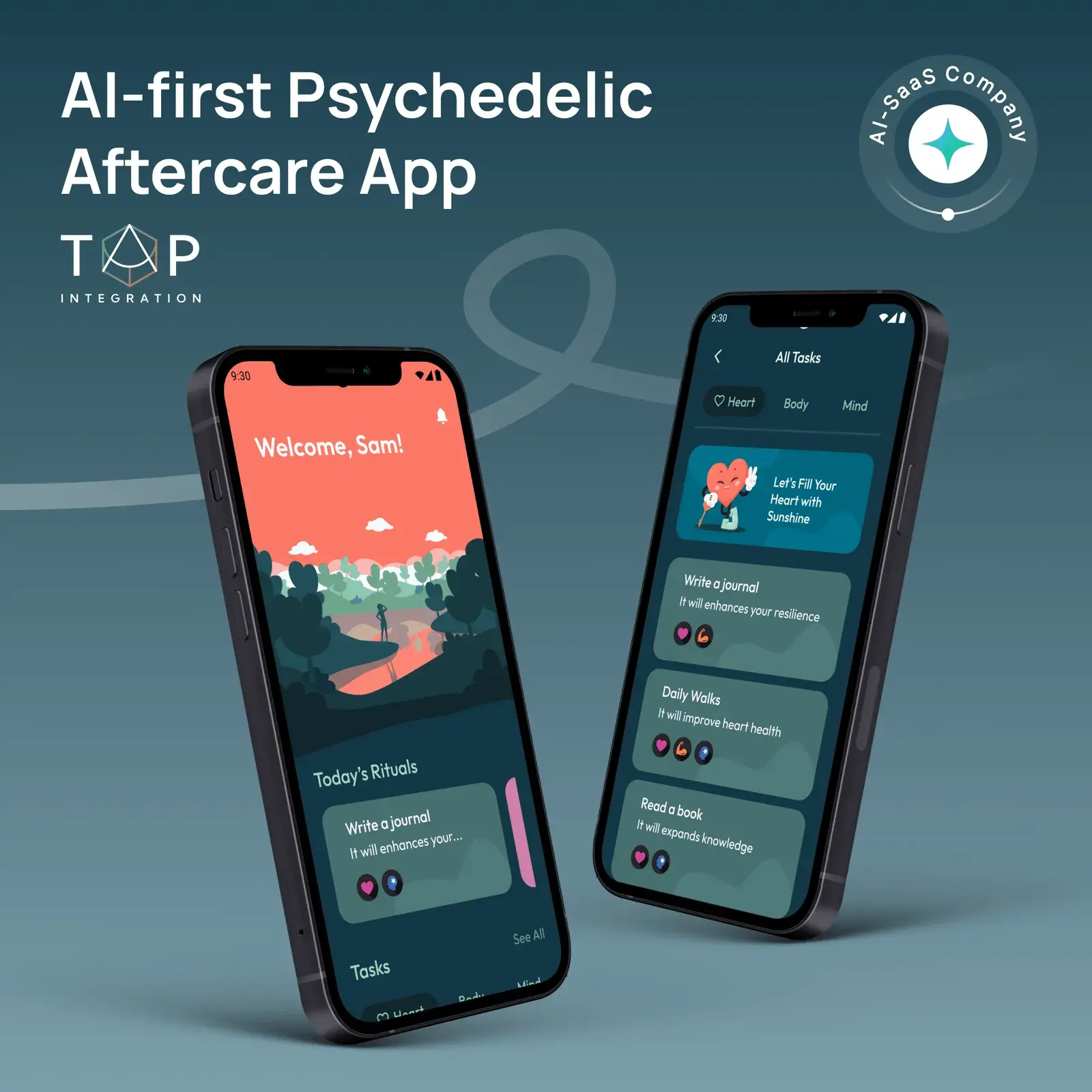
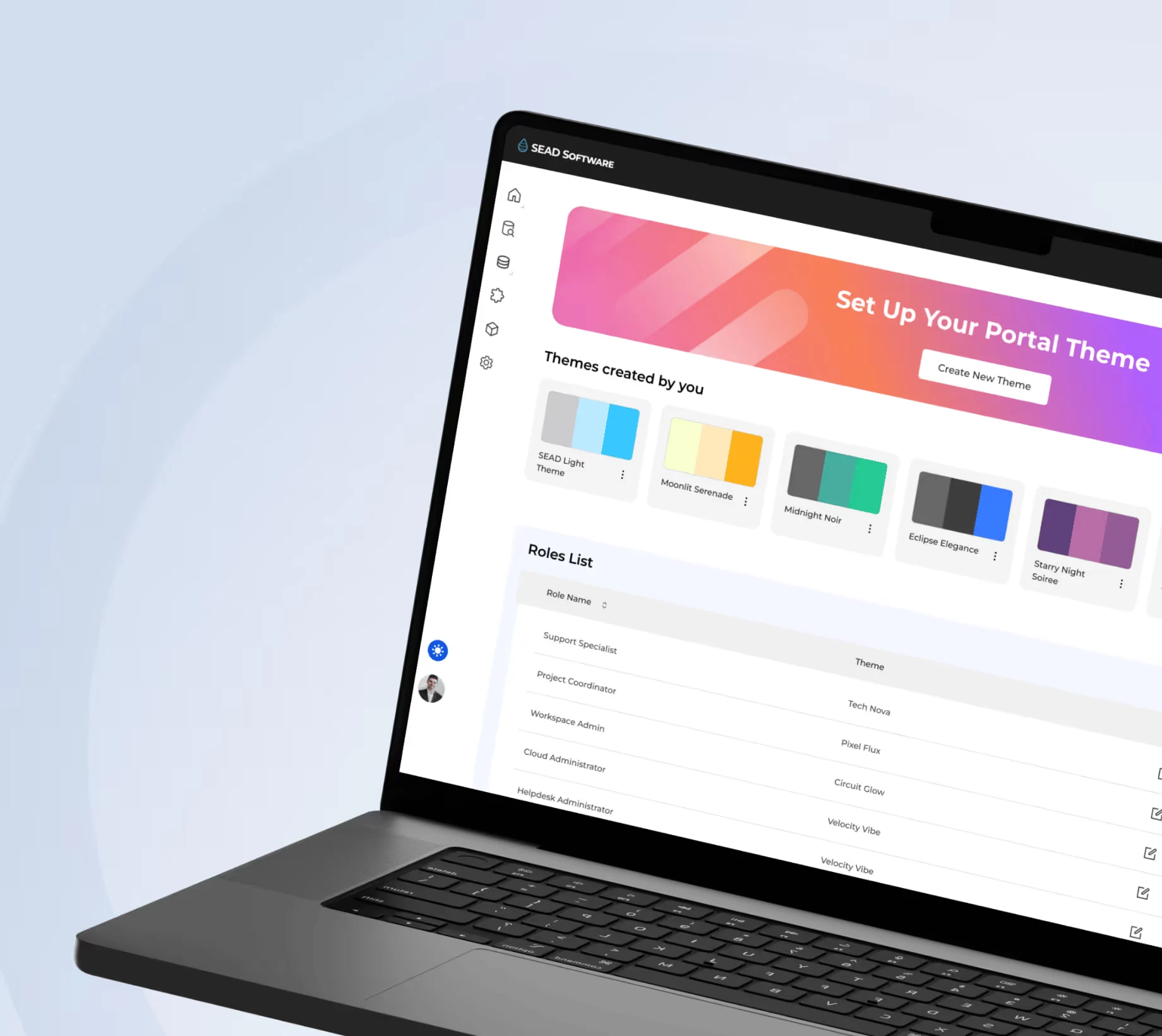
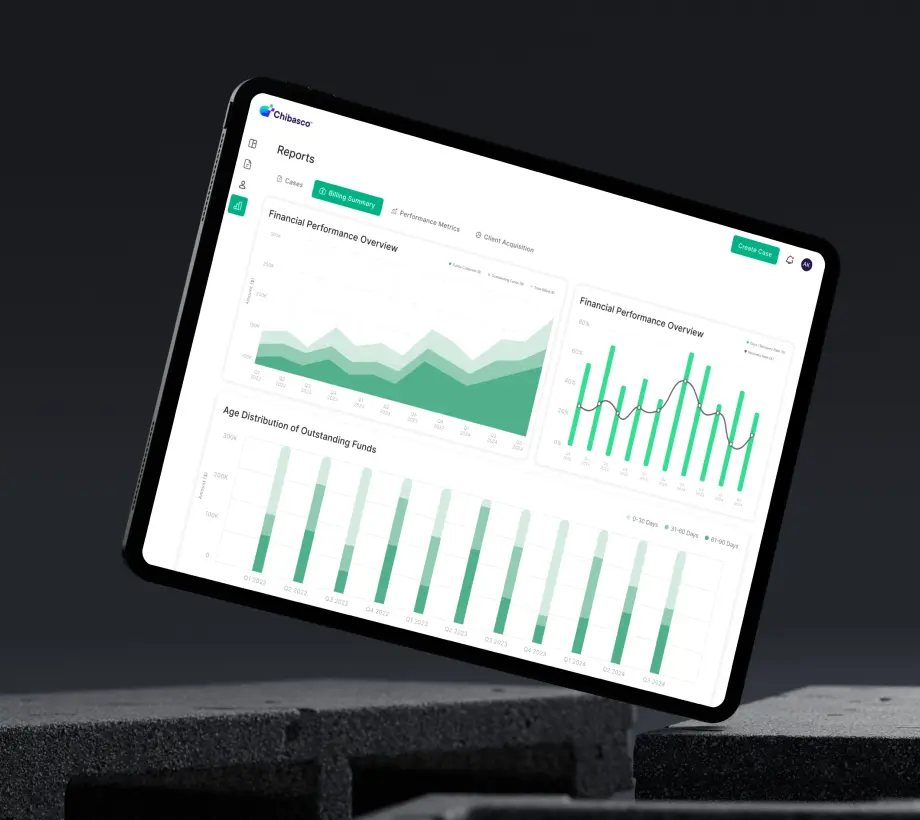
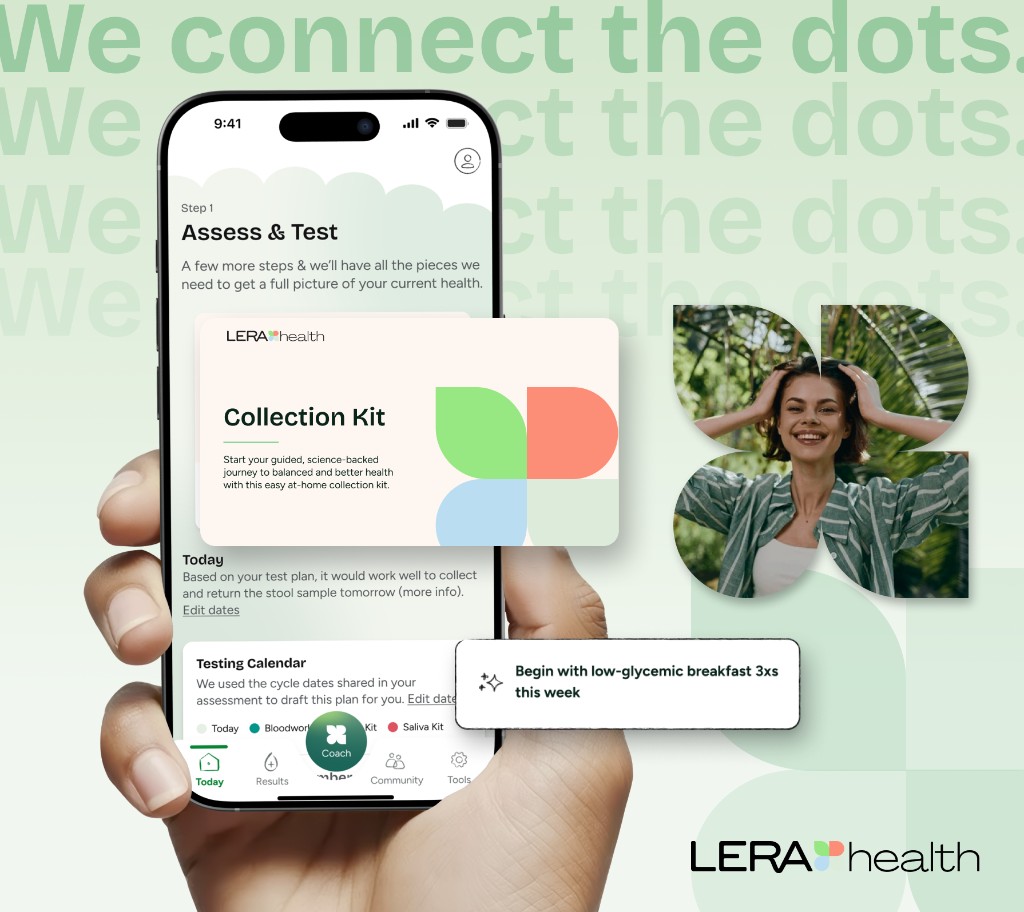
We don't just build products; we forge lasting partnerships. See how we've helped industry leaders transform their vision into technical reality.
"I can clearly see how Agnotic has a unique way of handling end-to-end development. They are always active on quick chat and provide support quickly."

Founder, Benchmark
"Agnotic is the best technical team we evaluated. Their engineering excellence made our work dramatically easier and allowed us to stay focused on what matters most for maternal care outcomes. They took full ownership of the technical execution, and we are always happy to continue working together."

Founder, My Lauren
"Agnotic combines deep technical expertise with strong domain knowledge. They understand the business context, anticipate challenges, and make collaboration smooth and effective."

Founder, Latimer
Browse the healthcare UX work we've shipped and tell us about the design challenge you're facing.