


PHI data-security engineering
We protect Protected Health Information end to end — encryption in transit and at rest, managed key rotation, tokenization, and de-identification — engineered into every data flow and backed by continuous, audit-ready logging.
Trusted by global innovators











Our compliance approach
We treat PHI protection as a data-flow discipline, not a perimeter. Every place PHI is created, stored, transmitted, or transformed gets explicit controls — encryption, least-privilege access, key management, and de-identification — so protected data never leaks into logs, analytics, or lower environments, and every access stays traceable.
Framework
A structured, data-flow-first approach to PHI security — mapping every touchpoint, then engineering encryption, tokenization, and de-identification into each one.
PHI Data-Flow Mapping
We map where PHI enters, moves, rests, and leaves your systems, and classify every touchpoint by sensitivity and risk.
Control Design
We design encryption, key management, tokenization, and de-identification tailored to each data flow and access pattern.
Secure Data Layer
We implement field-level encryption where warranted, managed KMS with rotation, and PHI-aware logging that keeps protected data out of logs and analytics.
Monitoring & De-Identification
We stand up access monitoring, anomaly detection, and Safe Harbor / Expert Determination de-identification for analytics and partner access.
App gallery
View AllLera Health
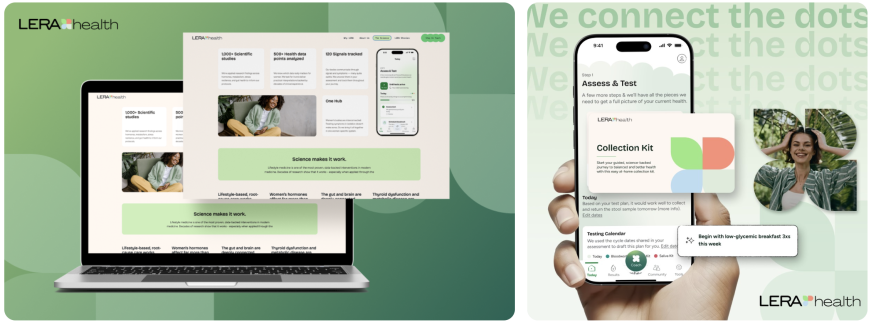
Health evolve
Data-flow-first delivery
A repeatable process that protects PHI at every touchpoint — from ingestion to de-identified secondary use — with audit-ready evidence at each layer.
Data-Flow & Sensitivity Mapping
We inventory PHI touchpoints and classify data by sensitivity, access, and residency requirements.
Encryption & Key Management
TLS 1.2+ in transit, AES-256 at rest, envelope encryption, and managed key rotation with least-privilege access.
Tokenization & De-Identification
We tokenize identifiers and build Safe Harbor / Expert Determination pipelines for safe secondary use.
Monitoring & Audit
Every PHI access is logged, tamper-evident, and monitored for anomalies, with retention enforced in code.
PHI protection
architecture
Layered PHI safeguards — encryption in transit and at rest, managed key rotation, tokenization, de-identification, network isolation, and continuous audit logging engineered into every layer.

Featured case study
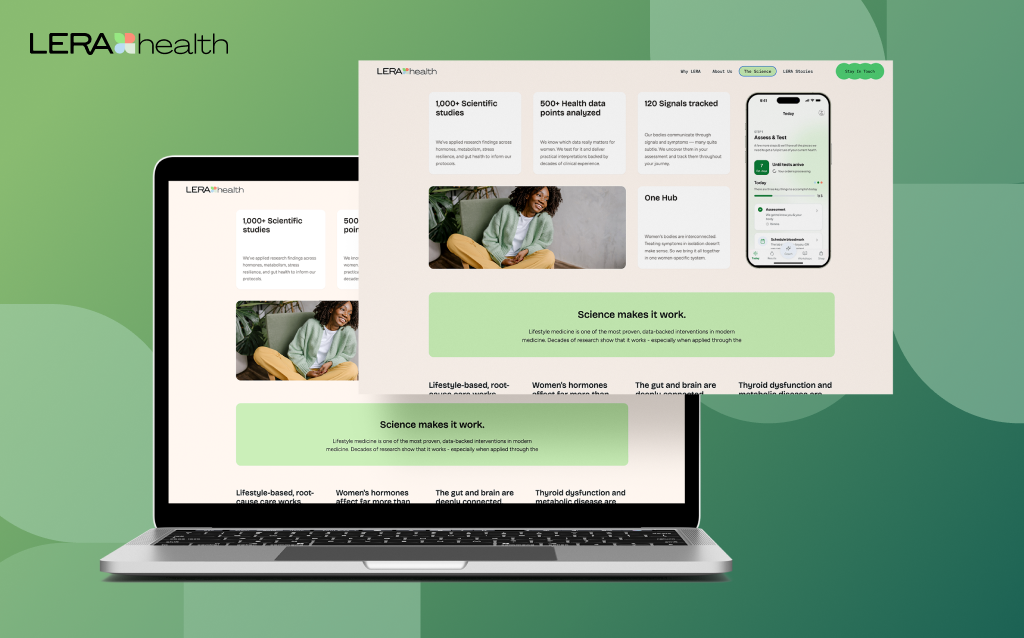
Read Case StudyLera Health: compliant health platform
Related proof of PHI-safe delivery: for Lera Health we built a privacy-first data layer with encryption, consent-aware flows, and audit-ready logging — protecting sensitive health data end to end.


Frequently Asked Questions
Protect your PHI
Tell us how PHI moves through your product, and we'll map the encryption, key-management, and de-identification controls it needs.
Build compliantly