Digital transformation is changing how an organization works by redesigning its processes, roles and services around connected digital systems and data, not just replacing paper with screens. In healthcare it means connected records, digital patient access, data driven operations and safe use of AI, built on interoperability standards and HIPAA safeguards.
This digital transformation guide explains what the term means, what digital transformation in healthcare involves, why the rules make it more urgent, a step by step approach, how to measure progress, best practices and the mistakes to avoid.
What is digital transformation?
Planning a digital transformation in healthcare?
We help healthcare organizations plan and build the software, integrations and data platforms behind it.
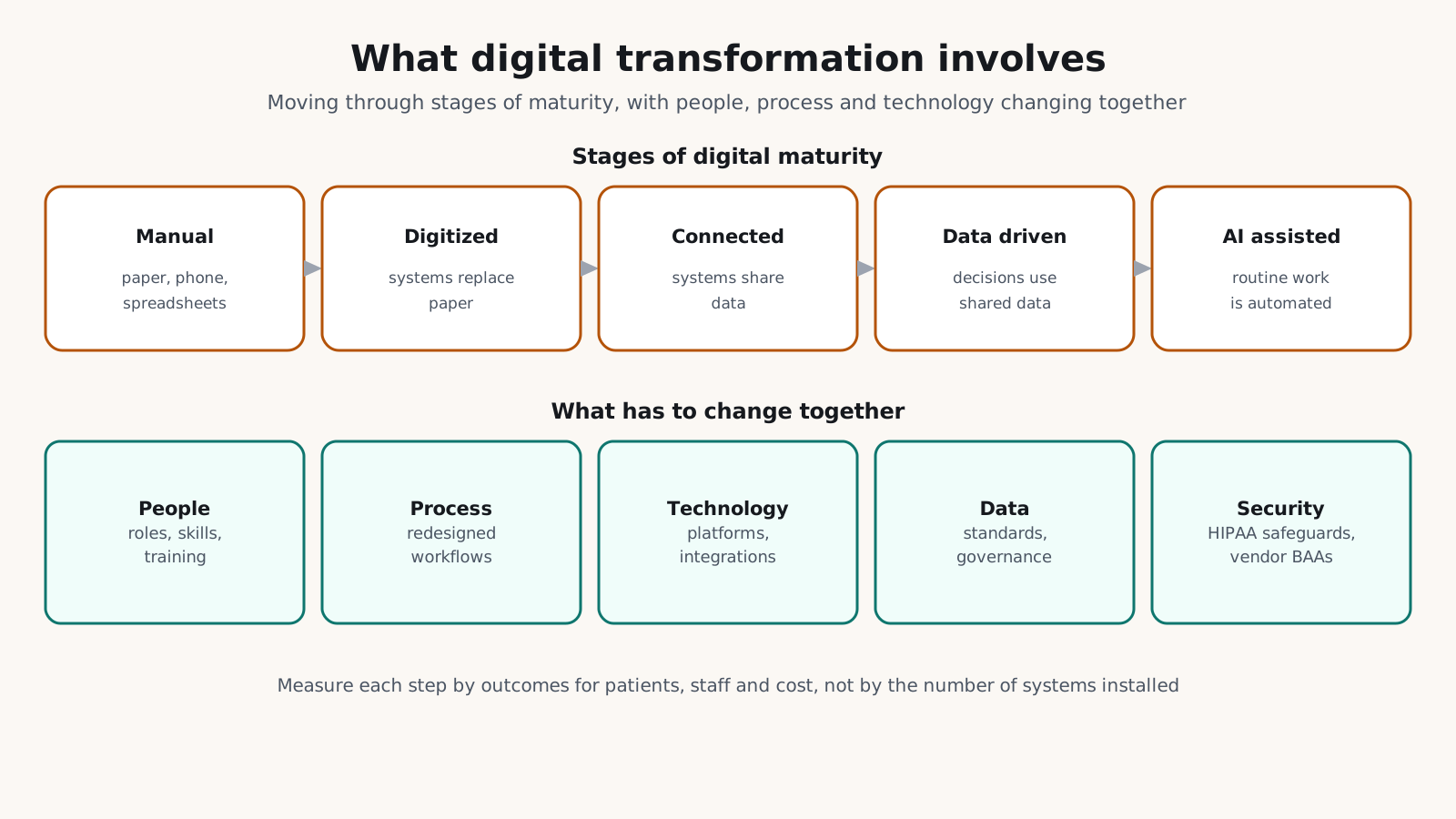
What is digital transformation, beyond the buzzword? It is a change in how work gets done. A clinic that scans paper forms into a PDF has digitized. A clinic whose patients complete intake online, whose answers land as structured data in the chart, and whose staff use that data to prepare the visit has transformed that workflow.
Digitization, digitalization and transformation
- Digitization: Turning paper or analog information into digital form, such as scanning records.
- Digitalization: Using digital tools to improve an existing process, such as online appointment booking.
- Transformation: Redesigning the process, roles and services around what digital systems and data make possible.
What does digital transformation in healthcare involve?
- Patient access: Online scheduling, intake, messaging, results and bill payment, with apps that can reach the record.
- Clinical workflows: EHR workflows designed around the care team, with less duplicate entry and better decision support.
- Operations: Scheduling, staffing, supply and bed management driven by current data.
- Revenue cycle: Automated eligibility, coding support, claims and payment posting.
- Data and analytics: Shared, governed data that leaders and clinicians trust.
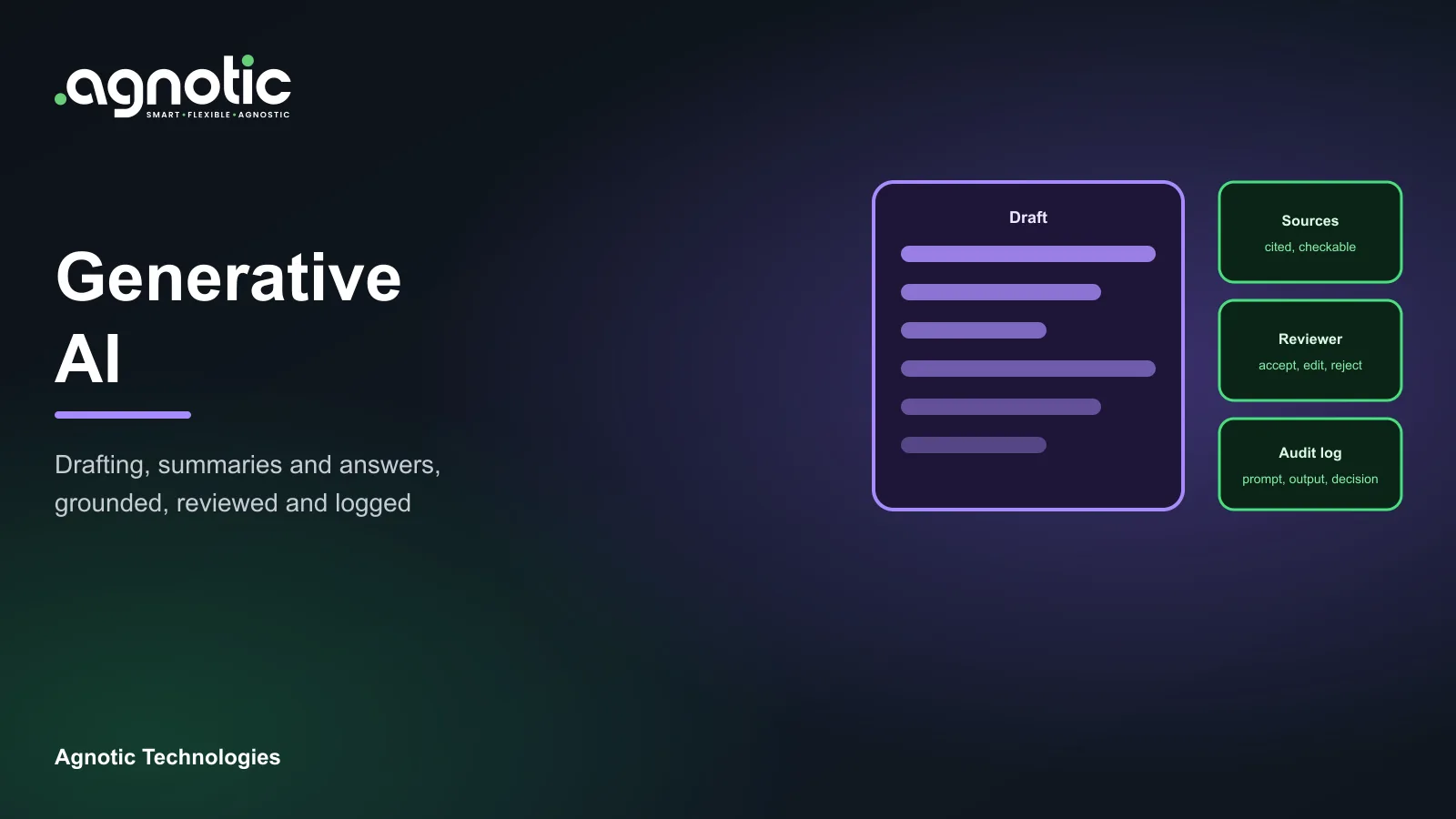
- AI: Assistants for documentation, inbox and coding work, with clinicians reviewing results.
- Virtual care: Video visits and remote monitoring connected to the same record.
What are examples of digital transformation in healthcare?
- Digital front door: Patients find care, book, complete intake and pay online, and staff spend less time on the phone.
- Automated prior authorization: Requests and documentation move through payer APIs instead of fax and portals.
- Remote monitoring programs: Patients with chronic conditions send readings from home, and care teams act on trends.
- Ambient documentation: AI drafts visit notes from the conversation, and clinicians review and sign them.
- Shared analytics: Leaders see current data on access, quality and cost from one governed source.
Why does digital transformation matter now?
Several rules now assume that healthcare organizations can share data digitally:
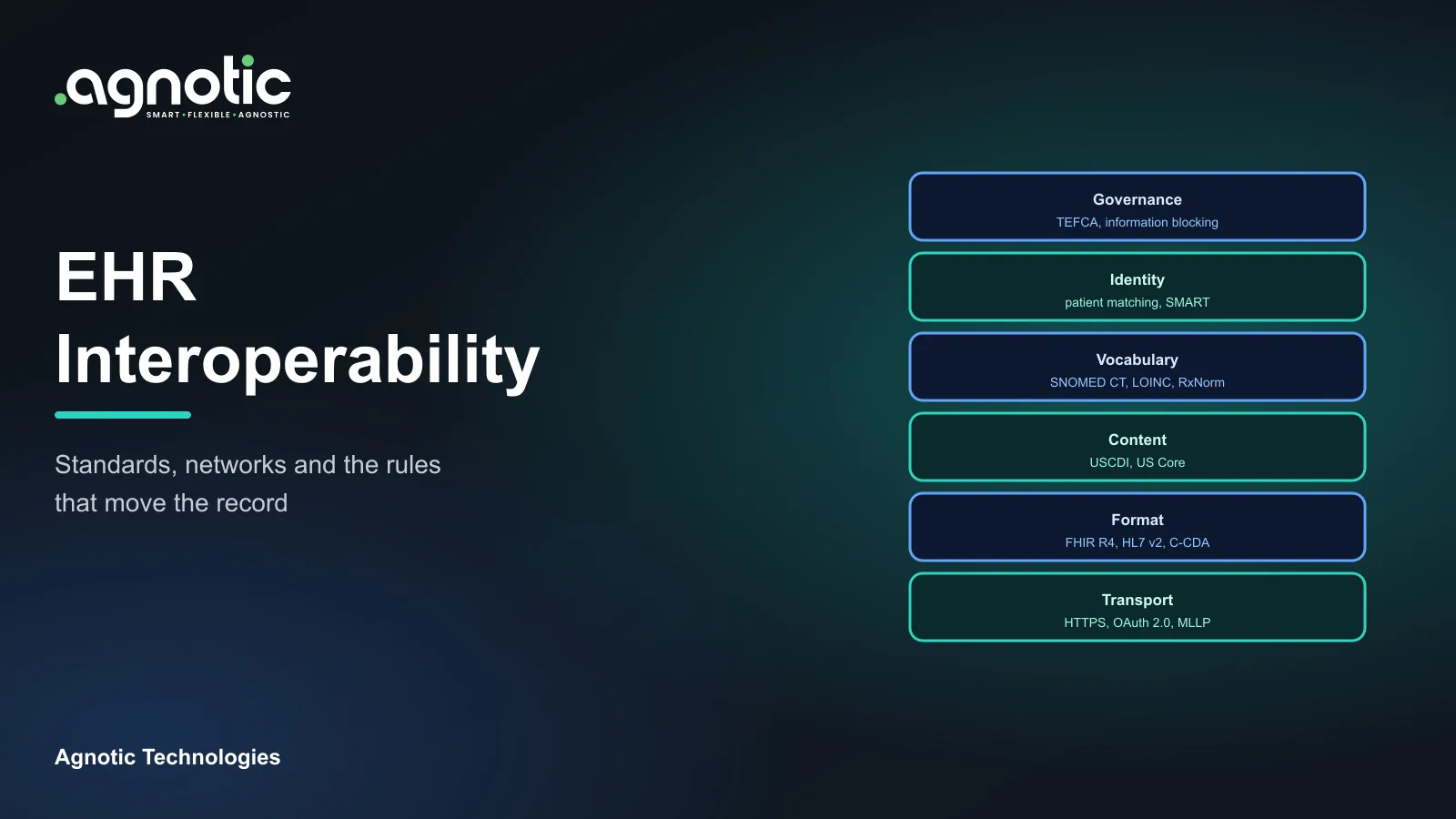
- Standard EHR APIs: Under the ASTP/ONC HTI-1 rule, from January 1, 2026 certified FHIR APIs must support USCDI v3, US Core 6.1.0 and SMART App Launch 2.0, built on HL7 International's FHIR standard.
- Patient access: HIPAA gives individuals a right to access their health information (45 CFR 164.524), and certified FHIR APIs let them send it to apps they choose.
- Payer APIs: The CMS Interoperability and Prior Authorization Final Rule requires many payers to offer FHIR APIs for patient access, provider access, payer to payer exchange and prior authorization, generally by January 1, 2027.
- Information blocking: HHS rules at 45 CFR Part 171 limit practices that interfere with access, exchange or use of electronic health information.
- Security: HHS proposed major HIPAA Security Rule updates on January 6, 2025. As of October 2026 they are not final, but the existing rule already requires administrative, physical and technical safeguards (45 CFR Part 164, Subpart C).
- Accessibility: HHS's Section 504 rule requires WCAG 2.1 Level AA for the web content and mobile apps of HHS funding recipients, and a 2026 interim final rule extended the compliance dates.
How do organizations approach digital transformation step by step?
- 1. Start with outcomes: Name the results you want, such as shorter waits, fewer denials or less documentation time, and how you will measure them.
- 2. Map the current state: Document workflows, systems, data flows and where people work around the technology.
- 3. Pick a first workflow: Choose one with clear value, willing owners and data you can reach.
- 4. Redesign before you build: Change the process with the people who do the work, then decide what software it needs.
- 5. Build on standards: Use FHIR APIs, HL7 v2 interfaces and X12 transactions so the new pieces connect.
- 6. Protect data from the start: Apply HIPAA safeguards, sign BAAs and log access in every new system.
- 7. Roll out and support: Train users, provide help at go-live and collect feedback.
- 8. Measure and repeat: Compare results with the baseline, then move to the next workflow.
Measuring progress
Count outcomes, not installations. Useful measures include time from referral to appointment, portal and self-service use, denial rates, documentation time per visit, staff turnover in affected teams and patient satisfaction. Pick a few per workflow, take a baseline before the change and review them with the owners every month.
The role of leadership
Digital transformation crosses departments, so it needs a sponsor who can settle disputes and fund the work, and a small team that owns the roadmap. Technical leadership matters as much as clinical and operational leadership: someone has to make architecture, vendor and security decisions that hold up over years.
Building the business case
Tie each initiative to measurable results: hours saved, denials avoided, visits added, patients retained or risks reduced. Include the full cost, such as integration, training and support, and compare it with what the current process costs. A modest business case that proves out builds support for the next phase.
Data and interoperability foundations
Most transformation projects stall on data. Before starting, check that your EHR exposes the FHIR APIs you need, that key interfaces are documented and monitored, and that data definitions are agreed. Fixing these foundations first makes every later project faster.
Working with partners
Few healthcare organizations have every skill in-house. Partners can provide architecture, engineering and integration capacity, but keep ownership of the roadmap, the data and the code, and require knowledge transfer so your team can run what is built.
Digital transformation for smaller organizations
Smaller practices and startups do not need a large program. Pick one or two workflows that cost the most staff time, use the APIs and features your EHR already offers, and add custom software only where it clearly pays back. Fractional technical leadership can provide the architecture and vendor judgment without a full time hire.
Keeping patients at the center
Digital tools should make care easier to reach, not harder. Offer phone and in-person options alongside digital ones, design for accessibility and limited bandwidth, and test new services with patients of different ages and abilities before launch.
What are digital transformation best practices?
- Fix the process first: Automating a broken workflow only makes it break faster.
- Deliver in small steps: Show results every few months to keep support.
- Involve frontline staff: The people who do the work know where it fails.
- Prefer standards over custom formats: They keep future integrations cheaper.
- Govern data: Agree on definitions, owners and access rules before building dashboards.
- Plan for adoption: Training, super users and feedback loops are part of the project.
- Keep security in scope: Every new system and vendor adds to the attack surface.
- Retire old systems: Switch off what the new workflow replaces, so staff do not keep two processes running.
- Govern AI from the start: Use a framework such as the NIST AI Risk Management Framework, and keep clinicians reviewing AI output.
What are the common mistakes with digital transformation?
- Technology first: Buying platforms before agreeing on the problems they should solve.
- Too many projects at once: Spreading staff and budget thin so nothing finishes.
- Ignoring integration: New systems that do not share data create new silos.
- Underestimating change: Assuming staff will adopt new tools without training or support.
- No measures: Without a baseline, nobody can show whether the change worked.
- Vendor lock in: Contracts that limit data export or API access make the next step harder.
- Leaving security for later: New systems and vendors added without risk analysis or BAAs.
- Copying paper forms: Digital forms that mirror paper layouts instead of collecting structured data.
What does digital transformation mean for your build plan?
- Scope: The workflows in the first phase and the outcomes they target.
- Systems: What you keep, replace, extend or build.
- Integrations: EHRs, payers, labs and internal systems that must connect.
- Data: The platform, governance and analytics the new workflows rely on.
- Compliance: HIPAA safeguards, BAAs, accessibility and security testing.
- People: Training, support and the time staff need to take part.
How Agnotic can help
Agnotic Technologies is a software development services company with an engineering hub in Pune, India. We help healthcare organizations and digital health companies turn transformation plans into working software: workflow apps, EHR and payer integrations, data platforms and AI features, with HIPAA safeguards and accessibility built in. You own the code.
Start your digital transformation with Agnotic
Explore our healthcare digital transformation service or browse more guides and playbooks.
Related reading on Agnotic
Go deeper on the software, leadership and data topics covered in this guide.
Sources
- ASTP/ONC: HTI-1 final rule
- 45 CFR 164.524: Access of individuals to protected health information
- CMS Interoperability and Prior Authorization Final Rule (CMS-0057-F)
- 45 CFR Part 171: Information blocking
- Federal Register: HIPAA Security Rule proposed rule (January 6, 2025)
- 45 CFR Part 164, Subpart C: HIPAA Security Rule
- Federal Register: Extension of Section 504 web and mobile accessibility compliance dates (2026)
- NIST AI Risk Management Framework