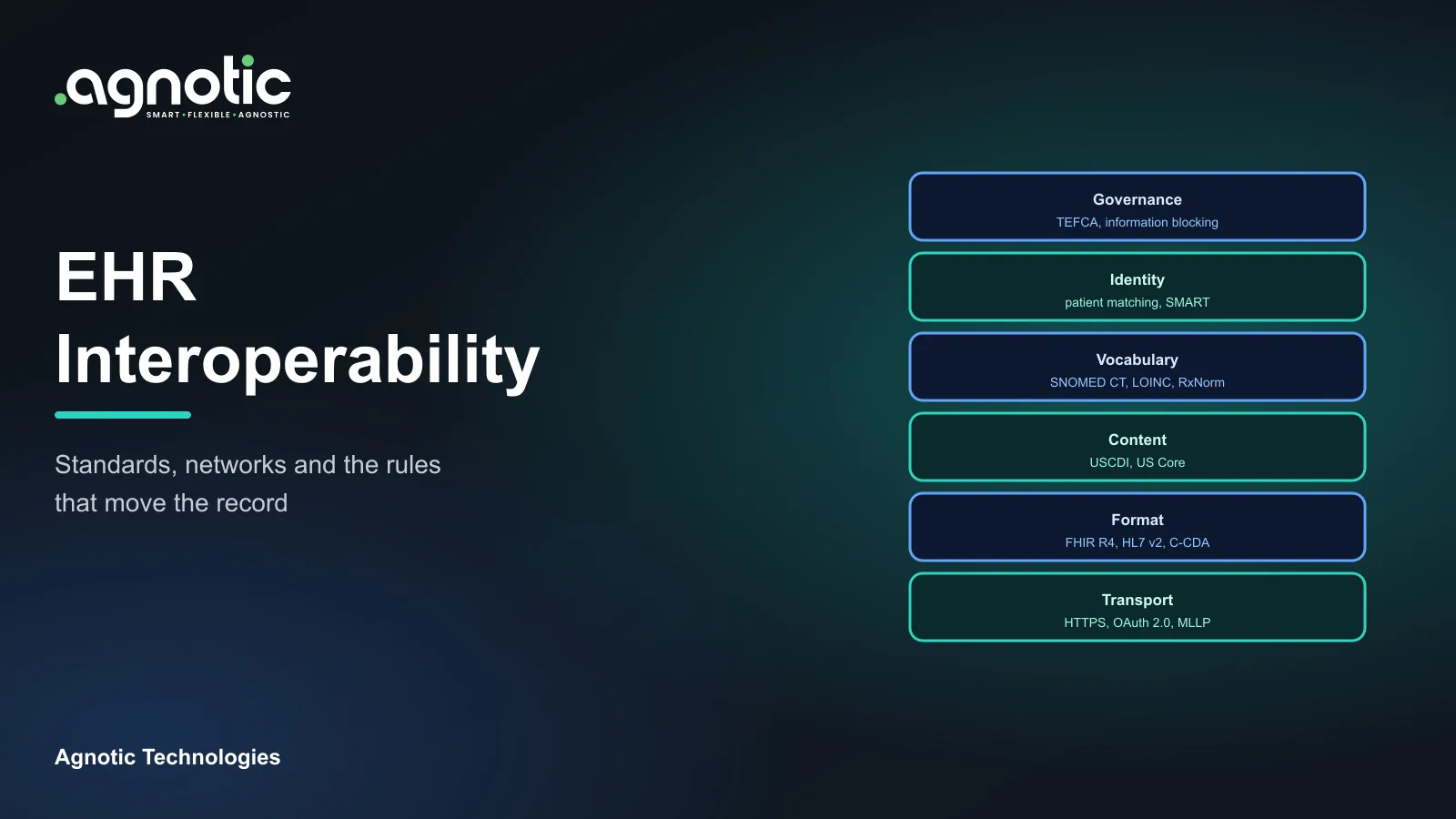
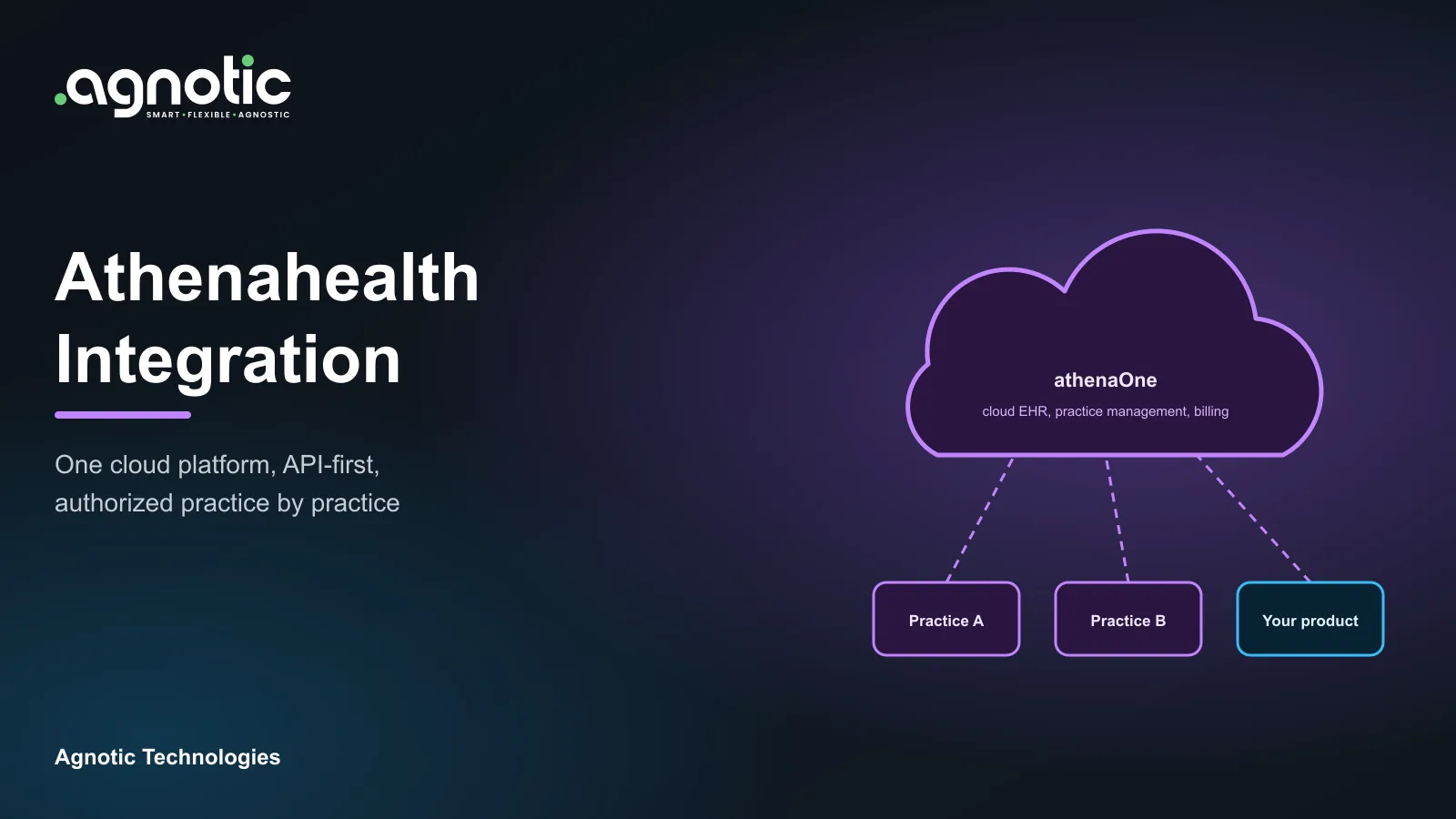
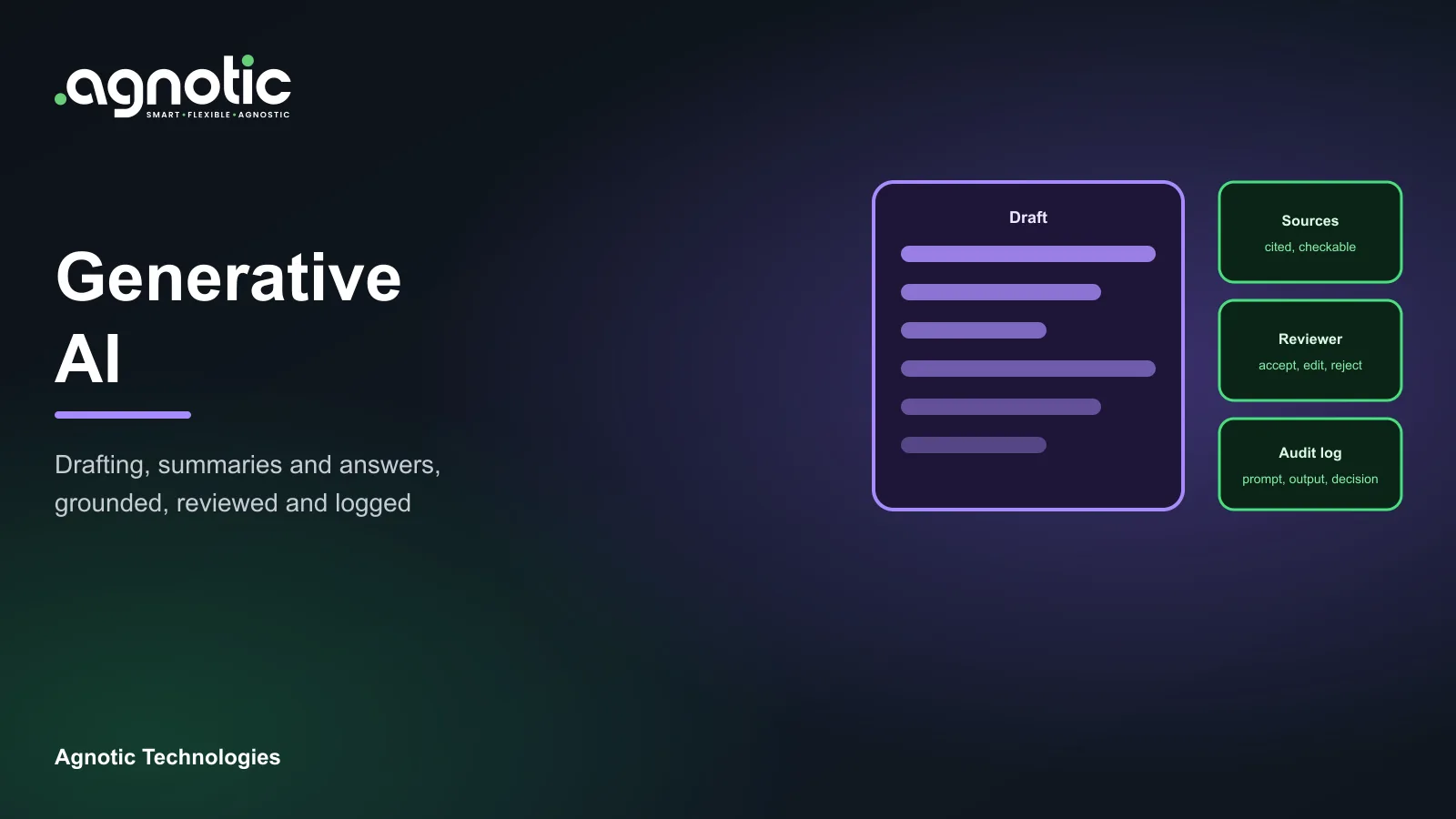
Healthcare software development is building software that supports care, operations or payment while handling protected health information safely. Beyond normal engineering, it requires HIPAA safeguards, integration with EHRs and payers through standards such as HL7 FHIR and X12, accessible design, and a clear view of whether any feature is regulated as a medical device.
This healthcare software development guide covers the main types of software, the trends shaping the work, a step by step approach, how to choose a development partner, change management, best practices and what drives cost and timelines.
What is healthcare software development?
Need technical leadership for a healthcare build?
Our fractional CTOs help healthcare teams plan architecture, compliance and delivery before and during the build.
What is healthcare software development, compared with any other software project? The engineering is familiar, but the context is not. The software handles protected health information, connects to EHRs, labs and payers, may fall under FDA rules, and is used by clinicians and patients under time pressure, where a confusing screen can affect care.
Common types of healthcare software
- Clinical systems: EHR and EMR software, specialty charting and clinical decision support.
- Patient apps: Mobile healthcare software for records, scheduling, messaging and self-management.
- Virtual care: Telehealth and remote patient monitoring platforms.
- Revenue cycle: Billing, coding, claims and payment software.
- Data and AI: Analytics platforms, predictive models and AI assistants for clinical and administrative work.
- Integration: Interface engines, FHIR APIs and data pipelines that connect the rest.
What makes it different
- Patient data: HIPAA safeguards and Business Associate Agreements apply to every system and vendor that handles PHI.
- Integrations: Most products are only useful once they exchange data with EHRs, labs or payers.
- Regulation: Some features are medical devices under FDA rules, and some customers report to CMS programs that require certified software.
- Clinical safety: Errors in data or design can affect care, so testing involves clinicians.
- Adoption: Busy clinical teams will work around software that slows them down.
Why does healthcare software development matter now?
These healthcare software development trends are shaping what teams build and how:
- Standard APIs everywhere: Under ASTP/ONC certification rules, since January 1, 2026, certified EHR APIs must support USCDI v3, US Core 6.1.0 and SMART App Launch 2.0, and the CMS Interoperability and Prior Authorization Final Rule requires many payers to offer new FHIR APIs, generally by January 1, 2027.
- AI with guardrails: NIST's AI Risk Management Framework gives teams a structure for AI risk, the Section 1557 rule (45 CFR 92.210) requires covered entities to reduce discrimination risks from patient care decision support tools, and the FDA revised its Clinical Decision Support Software guidance in January 2026.
- Security expectations: HHS proposed major HIPAA Security Rule updates on January 6, 2025. As of October 2026 the proposal has not been finalized, but hospital customers already ask for many of the controls it describes.
- Accessibility: HHS's Section 504 rule requires WCAG 2.1 Level AA for the web content and mobile apps of HHS funding recipients, and a 2026 interim final rule extended the compliance dates. Many teams design to WCAG 2.2, the current W3C version.
- Device quality rules: Since February 2, 2026, the FDA's Quality Management System Regulation incorporates ISO 13485:2016 for software that is a medical device.
How do teams approach healthcare software development step by step?
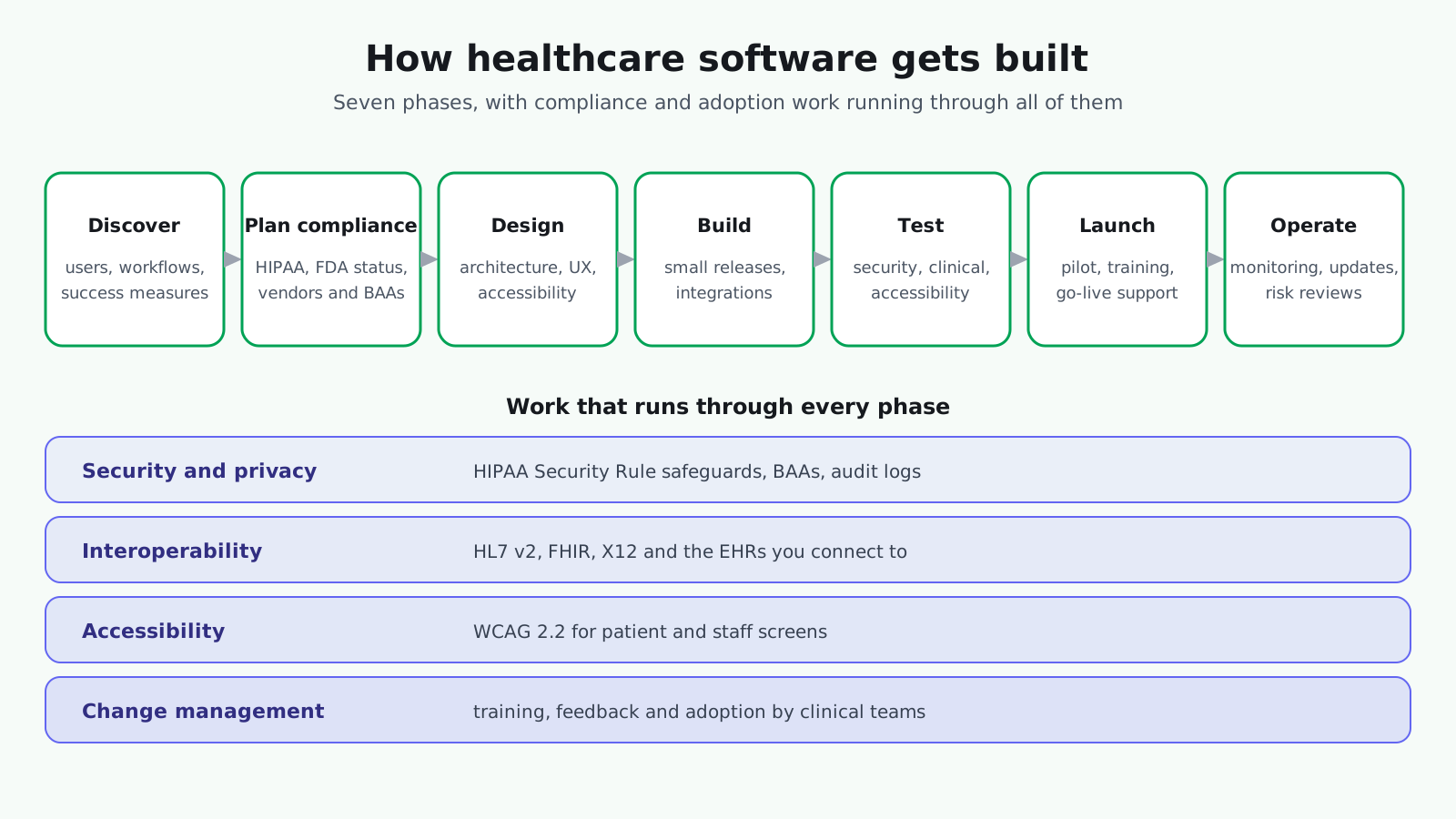
- 1. Discover: Observe the real workflow, name the users, and agree on how success will be measured.
- 2. Plan compliance: Decide whether HIPAA applies, whether any feature could be a medical device, which vendors need BAAs, and which certifications customers expect.
- 3. Design: Choose the architecture, the integration approach and the data model, and design screens that are accessible and fast for busy users.
- 4. Build: Ship small releases, starting with the workflow that matters most, and connect integrations early.
- 5. Test: Combine security testing, accessibility testing and clinical review with test data, not real PHI.
- 6. Launch: Pilot with one team or site, train users, and provide hands-on support at go-live.
- 7. Operate: Monitor, patch, review access, repeat the risk analysis, and keep up with regulation and vendor API changes.
Mobile healthcare software development
Mobile healthcare software development adds device level concerns: storing tokens and cached data securely, keeping PHI out of push notifications and crash logs, working on poor connections, and reviewing every third-party SDK for what data it sends. Apps for patients also need to meet accessibility guidelines and pass app store review.
Healthcare software development timelines
Healthcare software development timelines are set less by coding speed than by the steps around it: security reviews by hospital customers, EHR app approvals, BAAs with vendors, clinical validation and, for regulated products, FDA work. Put these on the plan from the start and run them in parallel with the build where possible.
How do you choose a healthcare software development partner?
When you decide how to choose a healthcare software development company, check these points:
- Healthcare delivery experience: Ask how they handled HL7, FHIR, X12 or EHR approvals on past projects, and ask for references you can call.
- Willingness to sign a BAA: Any partner that touches PHI must sign one.
- Security practices: Access control, code review, secrets management and how they keep real PHI out of development.
- Ownership: Confirm that you own the code, the infrastructure accounts and the documentation.
- Discovery before estimates: A partner that quotes a fixed price before understanding the workflow is guessing.
- Handover: Agree how knowledge moves to your team if you bring work in-house later.
When a fractional CTO helps
Many healthcare startups and smaller provider groups do not need a full time CTO at the start, but they do need senior technical judgment: choosing the architecture, the build or buy decisions, the compliance plan, vendors and the first hires. A fractional CTO provides that part time and can oversee an external development team until the company is ready to hire.
Build, buy or extend
Before building, check whether a commercial product, configured well, covers most of the need, or whether an app built on top of an existing EHR through FHIR APIs would do. Build custom software where the workflow or the product itself is the difference, and buy where the need is standard. Many healthcare companies do both.
Why does change management matter in healthcare software development?
Change management in healthcare software development decides whether a working product is actually used. Clinicians and staff have little time to learn new tools, so plan for adoption alongside the build:
- Involve users early: Bring clinicians and staff into discovery and design reviews.
- Name super users: Train a few people in each team who can help colleagues.
- Roll out in phases: Start with one team or site and fix problems before expanding.
- Keep a feedback loop: Make it easy to report problems and show what changed as a result.
- Measure adoption: Track usage and workarounds, not just go-live dates.
What are the common mistakes with healthcare software development?
- Compliance as an afterthought: Retrofitting HIPAA safeguards and audit logs costs more than building them in.
- Late integrations: Leaving EHR or payer connections until the end exposes surprises when they are hardest to fix.
- Real PHI in development: Copying production data into test environments creates risk without need.
- Designing without clinicians: Screens that look fine in a demo can fail in a busy clinic.
- Ignoring regulatory status: Not checking early whether a feature is a medical device.
- No plan for operations: Monitoring, patching and support are part of the product.
What are healthcare software development best practices?
- Start with one workflow: Solve one problem well before widening the scope.
- Use standards: Build on HL7 International's FHIR standard, US Core and X12 instead of custom formats.
- Log every PHI access: Audit trails help with security reviews and incidents.
- Test with clinicians: Clinical review belongs in the definition of done.
- Keep rules configurable: Payer, coverage and clinical rules change often.
- Document decisions: Record why choices were made, for audits and future teams.
- Plan for audits: Keep evidence of risk analysis, access reviews and testing ready for customer security reviews.
What does healthcare software development mean for your build plan?
- Scope: The users, workflows and features in the first release.
- Integrations: The EHRs, labs, payers and devices you connect to.
- Regulation: HIPAA, possible FDA status, certification and accessibility work.
- Platforms: Web, iOS, Android, or all three.
- Team: In-house, a development partner, a fractional CTO, or a mix.
- Operations: Hosting, monitoring, support and updates after launch.
How Agnotic can help
Agnotic Technologies is a software development services company with an engineering hub in Pune, India. We help healthcare companies plan and build software: fractional CTO support for architecture and compliance decisions, and development teams for EHR integrations, patient apps, billing systems, analytics and AI features. You own the code; we build it around your users.
Plan your healthcare software with Agnotic
Explore our fractional CTO service for healthcare or browse more guides and playbooks.
Related reading on Agnotic
Go deeper on the services, compliance work and products covered in this guide.
Sources
- 45 CFR Part 164, Subpart C: HIPAA Security Rule
- Federal Register: HIPAA Security Rule proposed rule (January 6, 2025)
- ASTP/ONC: HTI-1 final rule
- CMS Interoperability and Prior Authorization Final Rule (CMS-0057-F)
- 45 CFR 92.210: Nondiscrimination in the use of patient care decision support tools
- FDA Clinical Decision Support Software Guidance
- Federal Register: Extension of Section 504 web and mobile accessibility compliance dates (2026)
- FDA: Quality Management System Regulation (QMSR)