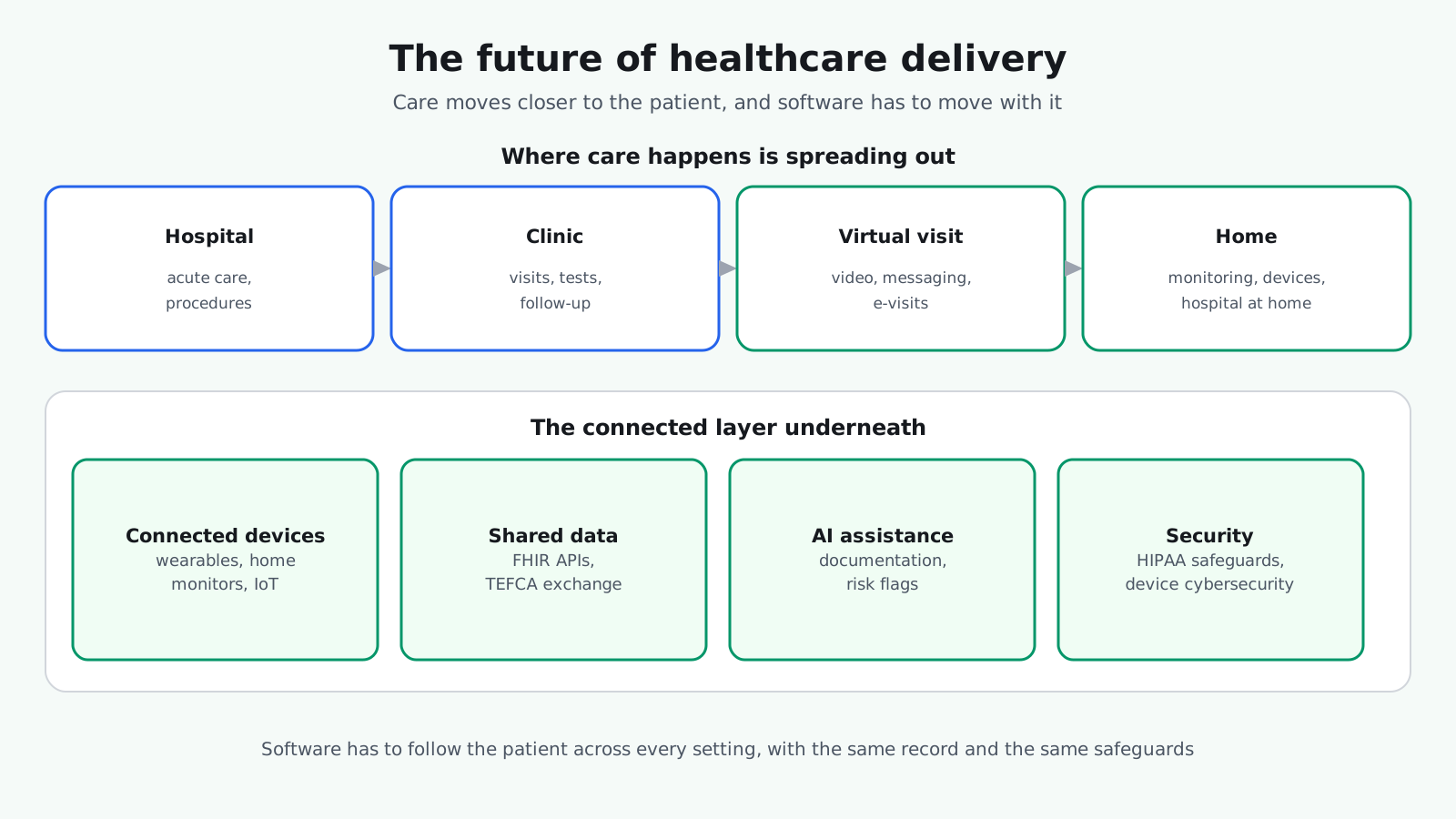
The future of healthcare is care that moves closer to the patient: more visits by video, more monitoring at home through connected devices, hospital level care delivered at home, and AI that drafts and flags while clinicians decide. Software makes it work by sharing data across settings through standards such as FHIR, with HIPAA safeguards throughout.
This guide to the future of healthcare sticks to changes already written into rules and payment programs: what they are, what they mean for IoT and connected devices, how care delivery is shifting, and how to plan software for it.
What is the future of healthcare?
Planning for where care is going?
Our fractional CTOs help healthcare teams plan architecture, devices, data and AI for the next generation of care.
What is the future of healthcare, in practical terms? Predictions are easy to make and hard to plan around. A more useful view looks at what payers and regulators already support: virtual visits, remote monitoring, hospital care at home, shared data through standard APIs and AI with transparency rules. These shape what providers will pay for and what software has to do.
Four shifts already under way
- From facility to home: More monitoring and some acute care happen where the patient lives.
- From visits to continuous care: Data from devices fills the gaps between appointments.
- From silos to shared records: Standard APIs and national exchange move data between organizations.
- From manual to assisted work: AI drafts documentation and flags risks, with clinicians reviewing.
Why does the future of healthcare matter now?
- Telehealth: The Consolidated Appropriations Act, 2026 extended Medicare's telehealth flexibilities, including coverage when the patient is at home, through December 31, 2027.
- Hospital at home: The same law extended Medicare's Acute Hospital Care at Home waiver through September 30, 2030.
- Remote monitoring: From January 1, 2026, Medicare added CPT 99445 for 2 to 15 days of device data and CPT 99470 for the first 10 minutes of monthly management, making shorter monitoring periods billable.
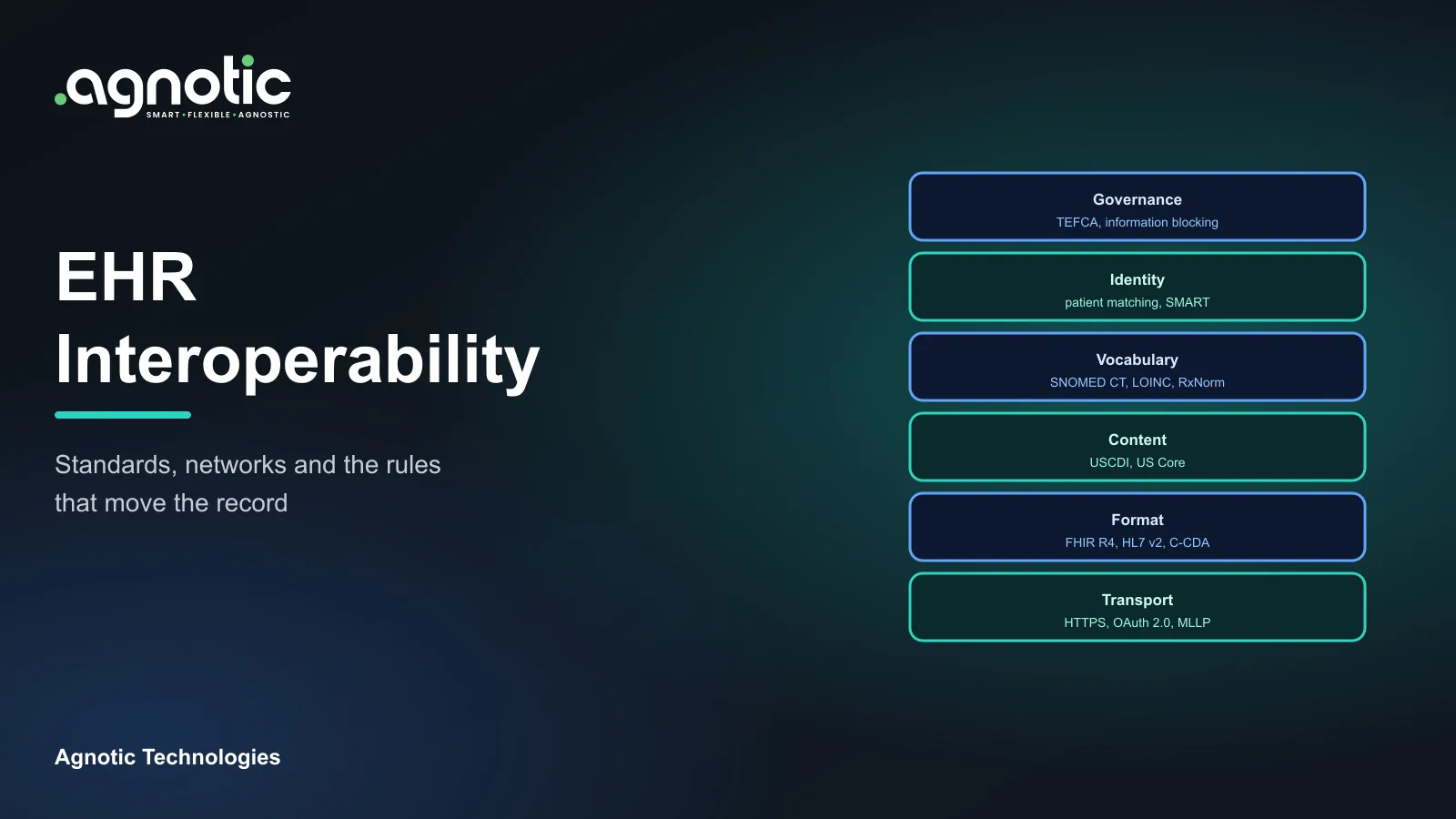
- Shared data: Certified EHR APIs, built on HL7 International's FHIR standard, must support USCDI v3 and US Core 6.1.0 from January 1, 2026, and TEFCA has been live since December 2023 with FHIR based exchange being phased in.
- AI rules: ASTP/ONC certification requires source attributes for predictive decision support, and the FDA revised its Clinical Decision Support Software guidance in January 2026.
What is the future of IoT in healthcare?
The future of IoT in healthcare is less about new gadgets and more about making device data usable. Wearables, home monitors and hospital devices already produce data. The work is getting it into clinical systems reliably, with context, and safely.
- Standards for device data: IEEE 11073 defines how personal health devices represent measurements, and the HL7 FHIR Personal Health Device guide maps that data to FHIR Observation and Device resources.
- Wellness versus medical use: In January 2026 the FDA revised its General Wellness guidance to clarify that some non-invasive wearables estimating physiologic values can be wellness products if they make no disease claims.
- Device cybersecurity: The FDA's premarket cybersecurity guidance, updated in February 2026, expects a software bill of materials and a plan for vulnerabilities in connected devices.
- Networks in hospitals: IEC 80001-1:2021 asks organizations that connect medical devices to IT networks to manage risks to safety, effectiveness and security.
What does the future of healthcare delivery look like?
Care at home
Hospital at home programs, remote monitoring and home health all depend on software that coordinates people, devices and supplies outside the hospital walls: scheduling visits, collecting readings, escalating alerts and documenting care in the same record the hospital uses.
Virtual first access
Video visits and messaging are becoming the first step for many patients. That puts weight on intake, triage, scheduling and the hand off to in-person care, so the virtual and physical parts of the system have to share one patient record.
AI in daily work
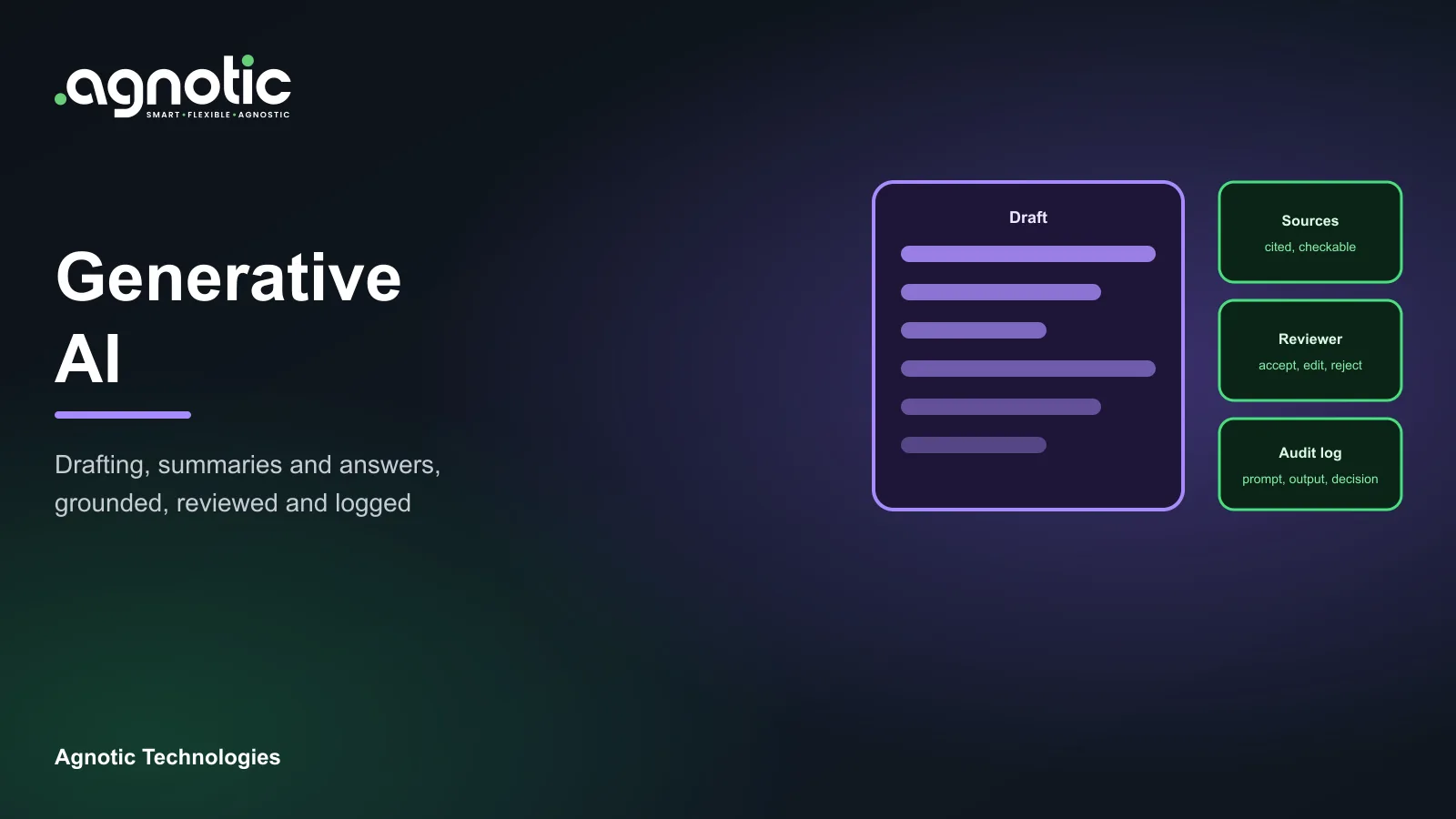
AI is entering routine tasks first: drafting notes, replies and summaries, suggesting codes and flagging risk. The future of healthcare delivery depends on doing this safely, with clinician review, transparency about how models work and monitoring after launch.
Data that follows the patient
With FHIR APIs, payer APIs and national exchange, data increasingly follows the patient between organizations. Software that cannot read and write standard data will struggle to take part.
Patients as data sources
HIPAA gives patients a right to access their health information, and certified FHIR APIs let them send it to apps they choose. Patients also generate data through wearables and home devices. Software that accepts patient contributed data, with clear labels for where it came from, will fit how care is moving.
Payment drives adoption
New care models spread when someone pays for them. Telehealth, remote monitoring and hospital at home are growing because Medicare and other payers cover them, and their limits follow the payment rules. Track those rules closely, because they decide which services are viable.
Security across settings
As care spreads to homes and devices, the attack surface grows. Every home hub, wearable app and video service that handles PHI needs the HIPAA safeguards HHS requires, a Business Associate Agreement where it applies, and a plan for updates. Security has to cover the whole journey, not only the hospital network.
How should healthcare organizations prepare step by step?
- 1. Pick the shifts that matter to you: Home care, virtual access, monitoring or AI, based on your patients and payers.
- 2. Check your data foundation: Make sure your EHR APIs, integrations and data quality can support the new services.
- 3. Start with one program: For example, remote monitoring for one condition or virtual follow-up for one service line.
- 4. Design for the whole journey: Plan the hand offs between home, virtual and in-person care.
- 5. Build safeguards in: HIPAA safeguards, BAAs, device security and AI review from the first release.
- 6. Measure outcomes: Track clinical, operational and financial results, then scale what works.
Which technologies matter most for the future of healthcare?
- FHIR APIs: The common way to read and write clinical data across EHRs, payers and apps.
- Connected devices: Wearables and home monitors that feed clinical systems, using standards such as IEEE 11073.
- Video and messaging: Virtual access built into the same record and scheduling as in-person care.
- AI assistants: Documentation, inbox and coding help with clinician review.
- Secure cloud platforms: Hosting with BAAs, encryption and monitoring for data from many settings.
- Identity and consent: Knowing who the patient is and what they agreed to share, across organizations.
What are the future of healthcare best practices for technology leaders?
- Follow the payment rules: Build services that payers already cover, and keep billing logic configurable as rules change.
- Choose open standards: FHIR, HL7 v2 and IEEE 11073 keep devices and systems replaceable.
- Start from the patient journey: Map how a patient moves between home, virtual and in-person care before choosing tools.
- Keep one patient record: Avoid separate records for virtual, home and device data.
- Treat devices as part of the system: Inventory, patch and monitor them like servers.
- Govern AI: Transparency, bias testing, human review and monitoring for every model.
- Plan for change: Telehealth and monitoring rules have changed often, so avoid hard coding them.
- Design for every patient: Offer audio options, accessible design and support for people with limited digital access.
What are the common mistakes when planning for the future of healthcare?
- Chasing technology: Buying devices or AI tools without a care model and payment plan.
- Ignoring deadlines in the rules: Building on flexibilities without tracking when they end.
- Separate systems for new services: Home and virtual programs that do not share the main record.
- Data without action: Collecting device readings that nobody reviews.
- Underestimating logistics: Devices, home visits and support need operational planning, not just software.
- Forgetting equity: Programs that assume broadband, smartphones or digital skills leave some patients behind.
- No exit from pilots: Pilots that never get a plan, budget or owner for scale.
What does the future of healthcare mean for your build plan?
- Programs: Which new services you launch first, and for which patients.
- Devices: The devices and data sources you support, and how they connect.
- Integration: EHR APIs, payer APIs and exchange networks.
- AI: The tasks AI assists with, and the governance around them.
- Compliance: HIPAA safeguards, device security, accessibility and billing rules.
- Leadership: Who makes architecture and vendor decisions, in-house or fractional.
How Agnotic can help
Agnotic Technologies is a software development services company with an engineering hub in Pune, India. We help healthcare teams plan and build for where care is going: fractional CTO support for architecture and vendor decisions, and development teams for remote monitoring, virtual care, device integration, FHIR integrations and AI features, with HIPAA safeguards built in.
Plan your next care model with Agnotic
Explore our fractional CTO service for healthcare or browse more articles in our wearables and devices hub.
Related reading on Agnotic
Go deeper on the devices, virtual care and AI topics covered in this guide.
Sources
- Congress.gov: H.R. 7148, Consolidated Appropriations Act, 2026
- CMS: Medicare telehealth FAQ (updated October 2026)
- CMS: CY 2026 Medicare Physician Fee Schedule final rule (CMS-1832-F) fact sheet
- ASTP/ONC: HTI-1 final rule
- FDA: General Wellness: Policy for Low Risk Devices
- FDA: Cybersecurity in Medical Devices guidance (2026)
- HL7 FHIR Personal Health Device implementation guide
- ISO: IEC 80001-1:2021, risk management for IT networks incorporating medical devices