










Front-desk coordinator at a physical therapy clinic organising a paper case file beside an open laptop, with therapy equipment softly blurred behind
    Healthcare / Accident and Claim

    Accident and claim software for injury care providers

    An auto accident, workplace injury or liability case is paid by an insurer, employer or settlement, not the patient's health plan, and general billing systems were not built for that. Agnotic Technologies builds accident and claim software that tracks each case, its adjusters and attorneys, its liens and its records from intake to a closed balance.

    Case first
    Claim number, date of injury and payer on every record
    PIP · WC · LOP
    Auto, workers' compensation and liability cases
    Authorization checked
    Before any records packet leaves the clinic

    Trusted by global innovators

    Benchmark
    Chibasco
    Fundency
    Lantimer
    Lauren
    Lera
    One Minute
    Pento Pix
    TAP
    Xtrium
    Healthevolve
    Benchmark
    Chibasco
    Fundency
    Lantimer
    Lauren
    Lera
    One Minute
    Pento Pix
    TAP
    Xtrium
    Healthevolve
    Benchmark
    Chibasco
    Fundency
    Lantimer
    Lauren
    Lera
    One Minute
    Pento Pix
    TAP
    Xtrium
    Healthevolve
    Benchmark
    Chibasco
    Fundency
    Lantimer
    Lauren
    Lera
    One Minute
    Pento Pix
    TAP
    Xtrium
    Healthevolve
    Industry Overview

    What is accident and claim software for providers?

    Accident and claim software is the case and billing system a provider uses for injury patients whose care is paid by an auto insurer, a workers' compensation carrier or a liability settlement. Agnotic Technologies builds it to track each case's claim numbers, adjusters, attorneys, liens and letters of protection, records packets and balances in one place.

    Case types

    Which injury cases does the software need to handle?

    Each case type has its own payer, paperwork and way of getting paid. Many patients move between them.

    Auto accident (PIP and no-fault)

    Care billed to the patient's auto insurer under medical benefits, where state law provides them.

    • Claim number, policy and adjuster on file
    • Benefit used and remaining
    • Hand-off to health coverage or a liability claim when benefits run out
    Workers' compensation

    Care for work-related injuries billed to the employer's carrier or administrator.

    • Employer, carrier and claim number
    • Treatment authorizations per visit or plan
    • State forms and reports where required

    Liability and personal injury

    Care paid from a settlement, often under a letter of protection or a lien.

    • Attorney and case contacts
    • Signed letter of protection or lien on file
    • Balance, reduction requests and settlement status

    Mixed and changing cases

    One injury, several payers over time.

    • Payer sequence per case
    • Health plan claims where they apply
    • One balance across all of them
    Industry Challenges

    Why do injury cases get lost in general billing systems?

    Practice billing systems model a patient and a health plan. Injury cases need more.

    • No case record: the claim number, date of injury, adjuster and attorney live in notes fields, so nobody can see a case at a glance.

    • Liens on spreadsheets: letters of protection and lien balances are tracked outside the billing system and drift from the ledger.

    • Records requests by hand: staff assemble records packets one page at a time, and checking for a valid authorization depends on memory.

    • Cases that close silently: a settlement happens, the balance is never reconciled and the account ages until it is written off.

    Our Approach

    How should an injury case record be designed?

    The case, not the patient account, is the unit the rest of the system hangs from.

    One case per injury

    Date of injury, case type, claim numbers and payer sequence, with every visit and charge linked to the case.

    Parties with roles

    Adjusters, nurse case managers, employers and attorneys stored as contacts with a role on each case, not as free text.

    Money per case

    Billed, paid, lien balance, reductions and write-offs reported per case as well as per patient.

    Documents with a trail

    Authorizations, letters of protection, records sent and correspondence attached to the case with who, what and when.

    Capabilities

    What do we build into accident and claim software?

    Modules we build for injury care providers and the billing companies that serve them.

    Case intake

    Injury details, case type, claim numbers and payer information captured at the first call or visit.

    Adjuster and attorney directory

    Contacts with roles per case, contact history and reminders for follow-ups.

    Lien and letter of protection tracking

    Signed documents, balances, reduction requests and settlement status per case.

    Records packet builder

    Visit notes, bills and imaging reports assembled for a request, released only when a valid authorization is on file.

    Bills to non-health-plan payers

    Bills and reports in the format each auto or workers' compensation payer accepts, plus X12 837 claims where a health plan pays.

    Case reporting

    Open balances by case type, attorney and age, and cases waiting on a settlement or a document.

    Engineering Stack

    Standards and technologies for injury billing

    The transactions, documents and platforms behind the accident and claim software we build.

    Transactions

    X12 837 for health plan claimsX12 835 remittancePayer portals and email for non-health-plan payers

    Documents

    E-signature for authorizations and letters of protectionPDF records packetsFax and document capture

    Backend

    Node.jsPythonPostgreSQL

    Infra

    AWSAzure
    Payer matrix

    What does each case type need on file?

    The payer, the paperwork and what the case record must track, by case type. Rules vary by state and by payer, so we confirm them with your billing team before we configure anything.

    Injury case types, who usually pays, what the payer needs on file and what the case record tracks
    Case typeWho usually paysWhat the payer needs on fileWhat the case record tracks
    Auto, PIP or no-faultThe patient's auto insurer, under the policy's medical benefitsClaim number, policy, date of accident, adjusterBenefit used and remaining, adjuster contact, denials
    Auto, medical paymentsThe auto insurer under automobile medical payment coverageClaim number, policy and itemised billsAmount billed against the coverage limit
    Workers' compensationThe employer's carrier or claims administratorClaim number, employer, date of injury, required state formsTreatment authorizations, reports sent, payments against any fee schedule
    Liability, with a letter of protectionPaid from a settlement, through the patient's attorneySigned letter of protection or lien, attorney detailsBalance, reduction requests, settlement status, final payment
    Health plan as payerThe patient's health plan, where it covers the careX12 837 claim, eligibility, coordination of benefits detailsClaim status, remittance and any recovery notices
    Measured Impact

    Measures for an injury billing team

    Measures we build reporting around, agreed with your billing lead before launch.

    Case aging
    Days a case stays open

    By case type and attorney, so slow cases surface early.

    Lien balance
    Open balances under protection

    Totals per attorney and per settlement status.

    Missing items
    Cases waiting on a document

    Authorizations, claim numbers or letters of protection not yet on file.

    Reductions
    Amounts reduced at settlement

    Tracked per case so reduction policy is applied consistently.

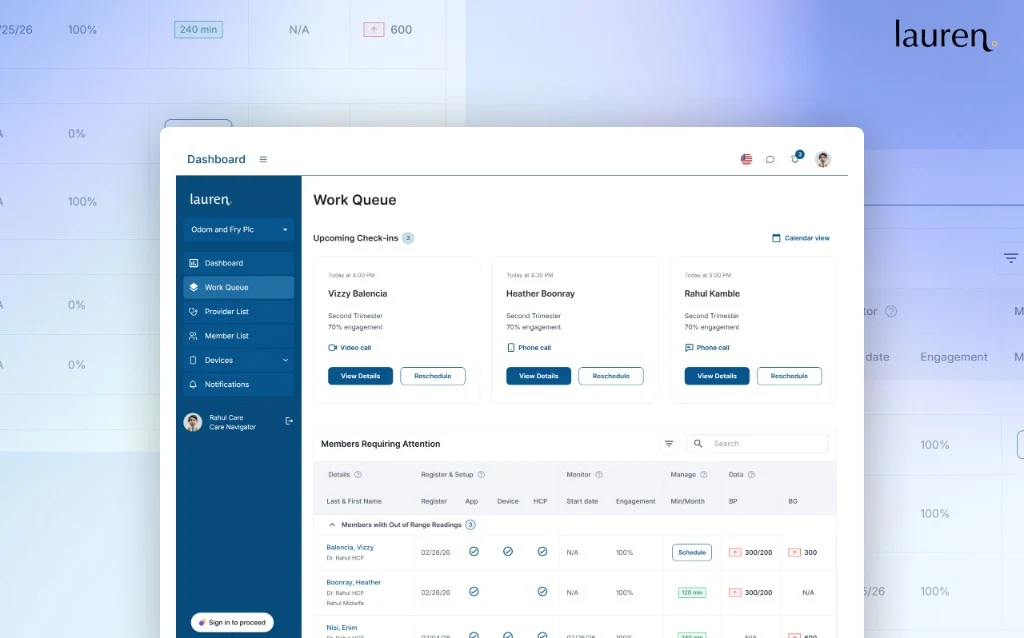
    My Lauren Maternal Health Platform | Built by Agnotic

    A HIPAA-ready maternal health platform enabling remote patient monitoring, care coordination, and personalized engagement from pre-pregnancy through postpartum.

    Case Study
    My Lauren Maternal Health Platform | Built by Agnotic
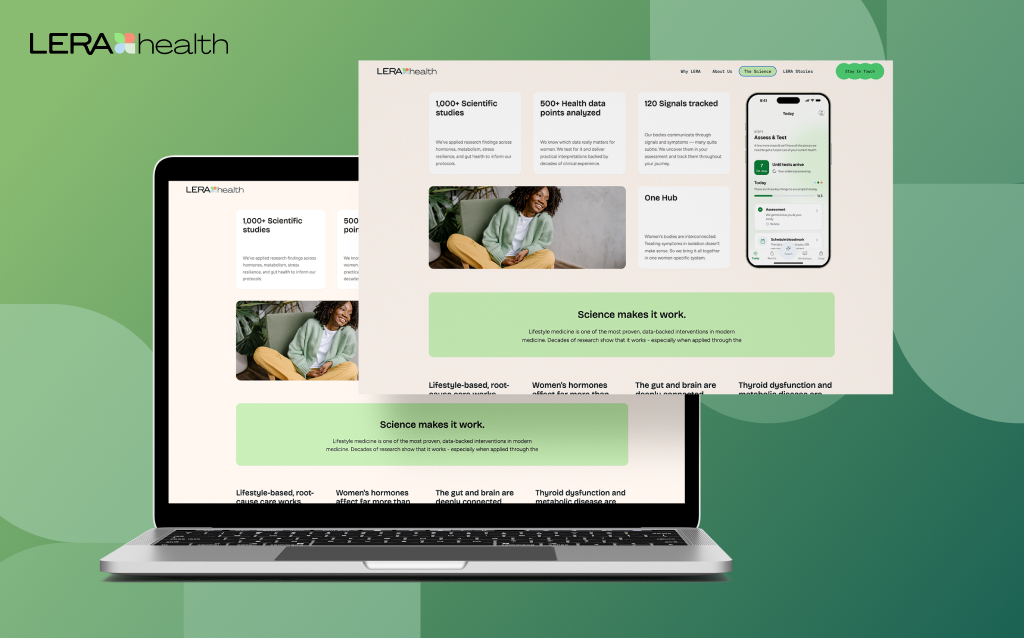
    LERA Health: Compliant Women’s Health App Platform

    LERA Health: Compliant Women’s Health App Platform

    A women’s health product experience focused on guided care journeys, education, and compliance-aware workflows to support long-term engagement.

    Case Study
    Use Cases

    Who uses accident and claim software?

    Providers and billing teams with a large share of injury cases.

    01

    Chiropractic clinics

    Auto and personal injury cases with letters of protection and attorney contacts.

    02

    Physical therapy practices

    Workers' compensation authorizations and progress reports alongside auto cases.

    03

    Orthopedic and pain practices

    Higher-value injury cases with liens, records requests and settlement tracking.

    04

    Imaging centres

    Studies ordered on a letter of protection, with reports sent to attorneys and adjusters.

    05

    Occupational medicine clinics

    Employer accounts, workers' compensation claims and return-to-work reports.

    06

    Billing companies

    Injury case billing run for several clinics, with reporting per client.

    Integrations

    Systems around the injury case record

    The systems a case reads from and writes to between intake and a closed balance.

    Clinical and scheduling

    EHR or practice management system

    Health plan claims

    Clearinghouse (X12 837 and 835)

    Documents

    E-signature

    Intake

    Fax and document capture

    Records

    Document storage

    Finance

    Accounting

    Compliance-First Development Services Backed by Global Standards

    We build secure, scalable products designed for privacy, interoperability, and regulatory readiness from day one across every sector we serve.

    HIPAA logo

    Health Insurance Portability and Accountability Act

    Protect PHI with privacy-first architecture, encrypted storage and transmission, and strict access controls.

    Our Edge

    Why Global Leaders Choose Us

    We combine deep technical expertise with industry-specific knowledge to deliver solutions that aren't just functional, but transformational.

    Enterprise-Grade Security

    We implement rigorous security protocols and compliance standards (HIPAA, GDPR, SOC2) across all industrial solutions to protect sensitive data.

    High-Performance Scaling

    Our architectures are built to handle massive data loads and user bases, keeping performance steady whether you're serving ten or ten million.

    Accelerated Time-to-Market

    Using our suite of internal tools and proven frameworks, we reduce development cycles and get your product to market 40% faster.

    Embedded AI Integration

    Beyond simple wrappers, we build deep-learning integrations and predictive analytics directly into the core of your industry-specific workflows.

    Engagement Model

    How do we build accident and claim software?

    How to build accident and claim software around one case type first. Timing depends on scope, and we agree a fixed first release on the scoping call.

    01

    Scoping call

    We agree the case types, the systems to connect and the reports your team needs first.

    02

    Case walkthrough

    We follow a few real cases from intake to settlement with your staff and note every document and hand-off.

    03

    Fixed-scope first release

    The case record, contacts and lien tracking for one case type, connected to your practice management system.

    04

    Add case types and billing

    Workers' compensation, auto and records packets added one at a time, with balances reconciled to your ledger.

    05

    Support and change

    New payers, forms and reports under agreed support terms.

    Facts and sources

    Which rules shape accident and injury billing?

    Short facts behind injury case billing, each linked to its primary source.

    • The HIPAA definition of a health plan excludes any policy, plan or program to the extent that it provides, or pays for the cost of, excepted benefits listed in section 2791(c)(1) of the Public Health Service Act.

      Source: 45 CFR 160.103, definition of health plan (eCFR)
    • Federal rules list liability insurance (including automobile liability insurance), workers' compensation or similar coverage, and automobile medical payment insurance among the benefits that are excepted in all circumstances.

      Source: 45 CFR 146.145(b)(2) (eCFR)
    • A HIPAA covered entity may disclose protected health information as authorized by, and to the extent necessary to comply with, laws relating to workers' compensation or similar programs that provide benefits for work-related injuries or illness without regard to fault.

      Source: 45 CFR 164.512(l) (eCFR)
    • A valid HIPAA authorization must describe the information to be disclosed, name who may disclose it and who may receive it, state each purpose, carry an expiration date or event, and be signed and dated by the individual.

      Source: 45 CFR 164.508(c) (eCFR)
    • HIPAA adopts ASC X12 standards for electronic transactions, including health care claims (837), payment and remittance advice (835), eligibility inquiries (270/271) and prior authorization requests (278).

      Source: 45 CFR Part 162 (eCFR)

    Voice of success

    We don't just build products; we forge lasting partnerships. See how we've helped industry leaders transform their vision into technical reality.

    Benchmark

    “I can clearly see how Agnotic has a unique way of handling end-to-end development. They are always active on quick chat and provide support quickly.”

    Aaron Phelan

    Aaron Phelan

    Founder, Benchmark

    Latimer

    “Agnotic combines deep technical expertise with strong domain knowledge. They understand the business context, anticipate challenges, and make collaboration smooth and effective.”

    John Pasmore

    John Pasmore

    Founder, Latimer

    My Lauren

    “Agnotic is the best technical team we evaluated. Their engineering excellence made our work dramatically easier and allowed us to stay focused on what matters most for maternal care outcomes. They took full ownership of the technical execution, and we are always happy to continue working together.”

    Kim Smith

    Kim Smith

    Founder, My Lauren

    Related services

    Related billing services for injury providers

    Pages for the billing and claims work that sits next to injury case software.

    Cross-Industry Reach

    The Same Engineering Patterns, Across Other Industries

    The technical patterns behind this platform translate naturally into adjacent verticals.

    Frequently Asked Questions

    No. The HIPAA definition of a health plan excludes excepted benefits, and federal rules list workers' compensation, automobile medical payment insurance and liability insurance among them. The provider's own HIPAA obligations for the patient's records still apply.