Referral intake
Turn inbound referral faxes into structured referrals matched to the right patient.


An agent that ingests inbound faxes, PDFs, and scanned forms, reads them with OCR, extracts the fields that matter, and posts structured, FHIR-ready data to the chart — with a human check on anything uncertain.
Trusted by global innovators











Referrals, prior-auth packets, lab reports, and intake forms still arrive as faxes and scanned PDFs. Staff open each one, identify the patient, retype the data into the EHR, and file it — a slow, error-prone queue where documents sit for days and details get miskeyed. This agent works the queue automatically: OCR converts each page to text, a classifier identifies the document type, extraction pulls the structured fields, and the record is matched to the right patient before posting to the chart as FHIR resources. Anything low-confidence is flagged for a quick human review instead of silently guessed.
Reference architecture for how this agent connects to your EHR and data systems.

Concrete document-handling steps — from raw scan to structured, matched, chart-ready data.
Reads low-quality faxes, multi-page PDFs, and handwritten forms, deskewing and cleaning pages for reliable extraction.
Identifies whether a document is a referral, lab report, prior-auth packet, or intake form and routes it to the right template and queue.
Pulls demographics, ordering provider, diagnoses, medications, and results, normalizing codes to ICD-10, LOINC, and SNOMED.
Matches each document to the correct patient and encounter, flagging ambiguous matches rather than attaching to the wrong chart.
Who runs it
Turn inbound referral faxes into structured referrals matched to the right patient.
Extract results from faxed reports into DiagnosticReport resources.
Parse payer correspondence and attach it to the right authorization workflow.
Digitize scanned intake and history forms into structured demographics and problems.
Directional impact, validated per deployment rather than guaranteed.

Health Insurance Portability and Accountability Act
Protect PHI with privacy-first architecture, encrypted storage and transmission, strict access controls, and traceable audit logs.

General Data Protection Regulation
Implement lawful consent flows, data minimization, retention controls, and secure processing for sensitive health data.

Fast Healthcare Interoperability Resources
Enable standardized health data exchange across apps, care teams, and systems through robust FHIR-ready APIs.

Health Level Seven International
Support enterprise-grade interoperability with HL7-based integrations for records, events, and clinical messaging workflows.

Health Information Trust Alliance
Align security programs to healthcare-specific control and risk management practices trusted by providers and ecosystem partners.

Health Information Technology for Economic and Clinical Health Act
Design with breach notification readiness, digital record safeguards, and operational controls that support regulated care programs.

FDA Software as a Medical Device
Plan software quality, traceability, and documentation pathways for products that may require SaMD review and submission.

Medical Device Regulation (European Union)
Prepare EU market-ready processes for risk classification, evidence tracking, and lifecycle governance under MDR expectations.

Substance Abuse and Mental Health Services Administration
Apply confidentiality controls and consent-aware sharing models for behavioral and mental health data experiences.
Standards
Four stages: capture the document, extract under a confidence guardrail, review the uncertain, and write back to the chart.
Inbound faxes, PDFs, and scans land in the pipeline, where OCR converts every page to clean, searchable text.
The document type is identified, a template extracts structured fields, and codes are normalized — each value scored for confidence.
The document is matched to a patient and encounter; low-confidence fields and ambiguous matches go to a reviewer to confirm or correct.
Approved data posts to the EHR as FHIR R4 resources with the source image attached, and the whole path is logged for audit.
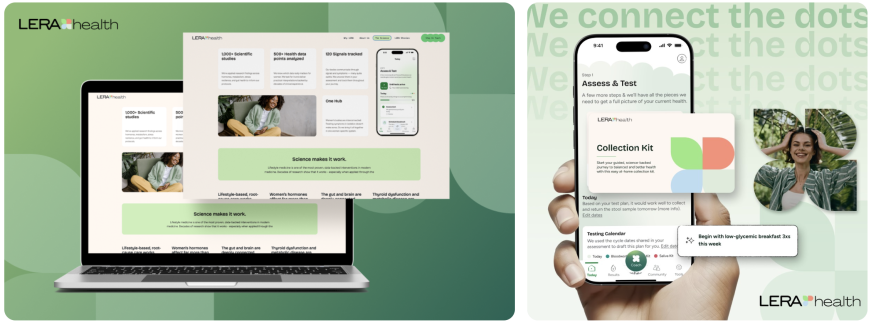
Related delivery proof from our compliant, AI-assisted healthcare work — not this exact agent.
In healthcare, the guardrails matter as much as the capability.
Documents are processed under a BAA on HIPAA-ready infrastructure, encrypted at rest and in transit, with access scoped to the intake team.
Confidence thresholds send uncertain extractions and unmatched patients to a reviewer, so nothing questionable posts unchecked.
Every extracted field links back to its exact location on the source page, so a reviewer can verify each value.
Ingestion, extraction, review decisions, and write-backs are logged against the document and patient.
Tell us your workflow and systems, and we'll return an architecture review and a phased rollout plan.
contact@agnotic.com
Partnerships
contact@agnotic.com