Challenge
Generic AI can't reason about specific assets.
Agnotic approach
We ground agents in your historian, asset registry, and manuals so answers cite real equipment and readings.


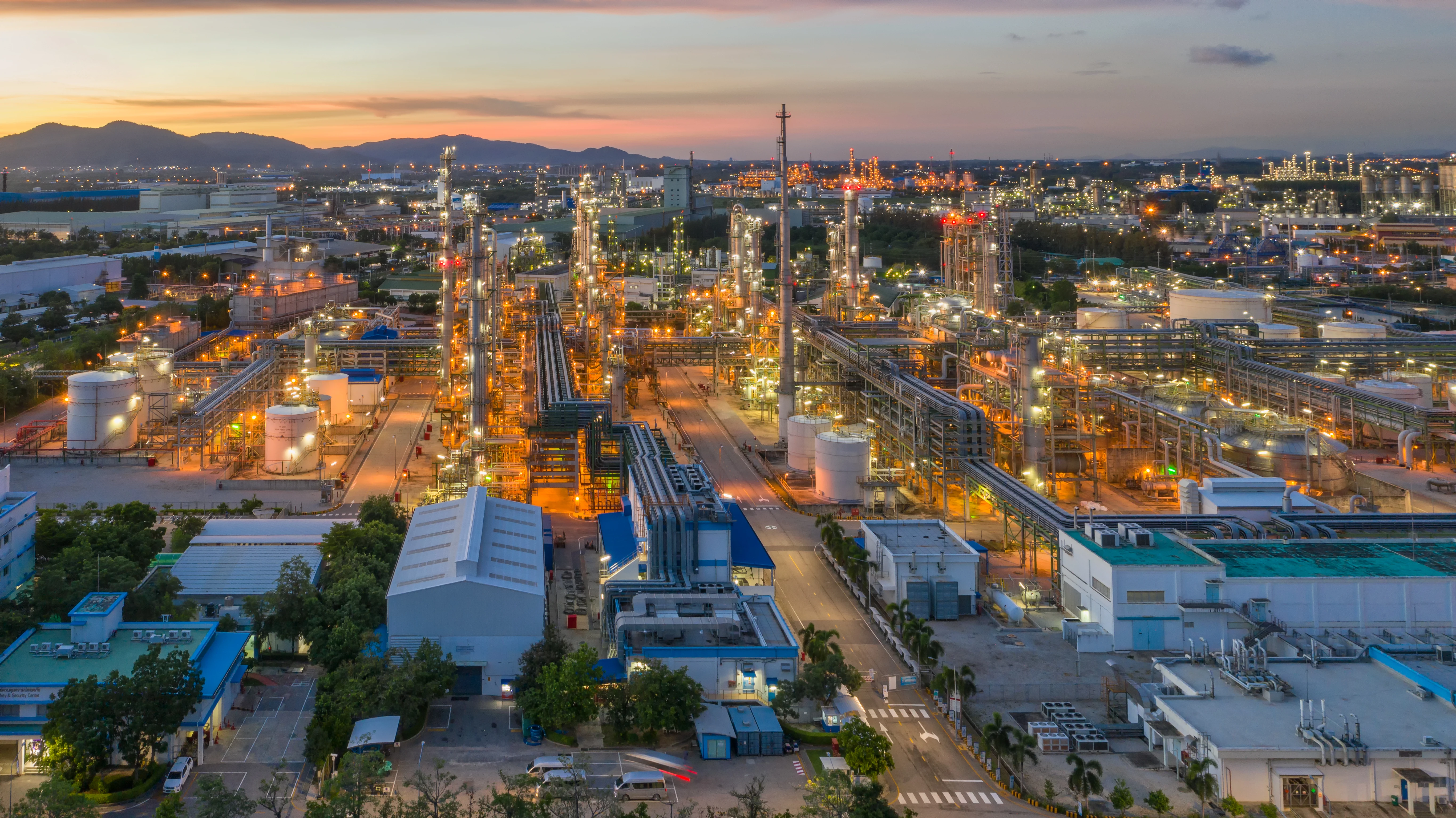
We build AI agents for oil & gas operations (grounded in asset, sensor, and field data) that monitor equipment, predict failures, assist field workers, and automate safety and reporting workflows across upstream and downstream.
Trusted by global innovators









Oil and gas AI agent development is building software agents that read asset, sensor and field data and act on it within limits you set. Agnotic Technologies builds these agents for operators and oilfield service companies, grounded in historian, SCADA and maintenance records, with human approval on every action that affects safety or production.
Pumps, compressors, pipelines and sensors produce telemetry faster than any team can watch. An agent grounded in that data can catch a degrading asset before it fails, answer a field worker's question from the manual and live readings, or draft an incident report.
The hard part is trust in a remote, high-consequence setting with limited connectivity. We scope each agent's actions, keep a human in the loop for anything consequential and deploy inside your boundary.
See how we ground oil & gas AI agents: retrieval over historian and asset data, edge-tolerant delivery, and human-in-the-loop safety.

Common failure modes
Challenge
Generic AI can't reason about specific assets.
Agnotic approach
We ground agents in your historian, asset registry, and manuals so answers cite real equipment and readings.
Challenge
Safety-critical actions can't be automated blindly.
Agnotic approach
Scoped, reversible actions with human-in-the-loop approval and full audit logging on anything consequential.
Challenge
Field sites have limited connectivity.
Agnotic approach
Edge-tolerant delivery and caching so field agents work offline and sync when connected.
Challenge
Operational data can't leave the boundary.
Agnotic approach
On-prem / VPC deployment with private model endpoints so proprietary data stays internal.
The oil and gas AI agent development services we deliver for upstream and downstream operations.
Agents that watch equipment telemetry, flag anomalies, and predict failures before downtime.
An assistant grounded in manuals, procedures, and live readings for technicians in the field.
Agents that support permit-to-work, hazard checks, and draft incident reports from context.
Automated production, downtime, and compliance reporting from operational systems.
Where it runs
Failure prediction and maintenance recommendations from sensor data.
Answers from manuals and live readings, offline-capable.
Support for permit-to-work, hazard identification, and checks.
Draft incident and inspection reports from operational context.
Surface efficiency and yield opportunities from operational data.
Grounded answers over historian, asset, and document data.
Energy AI stalls when it can't be trusted at the edge. We build for grounding, safety, and offline field use.
Standards we build against
Use-case scoping, data grounding, and safety guardrails first.
We pick a high-value use case and map the asset, historian, and document data to ground on.
Retrieval over historian and asset systems, edge-tolerant where field use is needed.
Scoped tool-use, human-in-the-loop approvals, and evaluation against real scenarios.
On-prem / VPC deployment with logging, monitoring, and a feedback loop.
Short facts we design around, each linked to its primary source.
The core of the NIST AI Risk Management Framework is made up of four functions: govern, map, measure and manage, each broken down into categories and subcategories.
Source: NIST AI RMF 1.0 (AI 100-1), CoreNIST SP 800-82 Rev. 3 covers how to secure operational technology such as industrial control systems, and lists common threats and vulnerabilities with recommended countermeasures.
Source: NIST SP 800-82 Rev. 3Under OSHA Process Safety Management (29 CFR 1910.119(k)), the employer must issue a hot work permit for hot work conducted on or near a covered process and keep it on file until the work is complete.
Source: 29 CFR 1910.119 (eCFR)Under 49 CFR 195.446, each hazardous liquid pipeline operator with a controller who monitors and controls the pipeline through a SCADA system must have and follow written control room management procedures.
Source: 49 CFR 195.446 (eCFR)Agents that are useful in the field and safe by design.
Scoped actions and human-in-the-loop on anything consequential.
Fluent in historian, asset, and OT data, not just enterprise APIs.
Delivery that works with the connectivity real field sites have.
From sensor data to field UX, built as one grounded system.

Tell us one high-value use case and your data. We will return a grounded, safe oil & gas AI agent plan scoped to pilot.
contact@agnotic.com
Partnerships
contact@agnotic.com