

Automate multi-step workflows
Agents plan a task, call the right tools and APIs, and carry a process to completion, handling branching steps that a single model call cannot.


Build agentic AI systems that automate multi-step workflows and deliver reliable outcomes across your operations.
15-Minute Scoping CallAgentic AI vs generative AI compared: how they differ, when to choose each and what it means for your build, from engineers who ship both.
Trusted by global innovators








Generative AI produces content, such as text, code or summaries, in response to a prompt. Agentic AI goes further: it plans a multi-step task, calls tools and APIs, and acts on the results, with a person approving the steps that matter. Choose generative AI for drafting and answers; choose agents for workflows.
Agents plan a task, call the right tools and APIs, and carry a process to completion, handling branching steps that a single model call cannot.
Retrieval grounding, tool constraints, and guardrails keep agents inside defined boundaries so outputs stay accurate and actions stay safe.
High-stakes steps are designed for review and approval, so automation speeds the work without removing accountability.
Agents connect the tools, data sources, and services you already run, so automation spans your stack instead of living in one app.
Production-grade agent systems designed around your processes, with the orchestration, grounding, and oversight that make automation trustworthy.
Agents that carry a multi-step business process end to end, gathering inputs, taking actions, and handing off when a human is needed.
Agents that call your internal tools, databases, and third-party APIs with scoped permissions and structured, checkable outputs.
Retrieval over your own knowledge and data so agent decisions are grounded in approved context, reducing hallucination risk.
Coordinated agents that split a complex job into specialized roles and combine their results into a single reliable outcome.
Boundaries, approval steps, and automated evaluation so agent behavior stays inside defined limits before and after release.
Tracing, logging, and performance tuning that keep agents observable and improving once they are running in production.
Have a multi-step process worth automating? Let's scope an agent that plans, calls your tools, and completes the work with oversight built in.
contact@agnotic.com
Partnerships
contact@agnotic.com
Short facts that shape how we build both, each linked to its primary source.
The NIST AI Risk Management Framework is a voluntary framework that organizes AI risk work into four functions: Govern, Map, Measure and Manage.
Source: NIST AI 100-1In July 2024, NIST released the Generative AI Profile (NIST AI 600-1), a companion to the AI RMF that helps organizations identify risks specific to generative AI and proposes actions to manage them.
Source: NIST AI 600-1OWASP defines excessive agency as the vulnerability that lets an LLM application take damaging actions in response to unexpected, ambiguous or manipulated model output, usually caused by excessive functionality, permissions or autonomy.
Source: OWASP GenAI Security Project, LLM06:2025With a diverse technology stack, we deliver solutions using a technology-Agnostic approach to meet your unique needs.

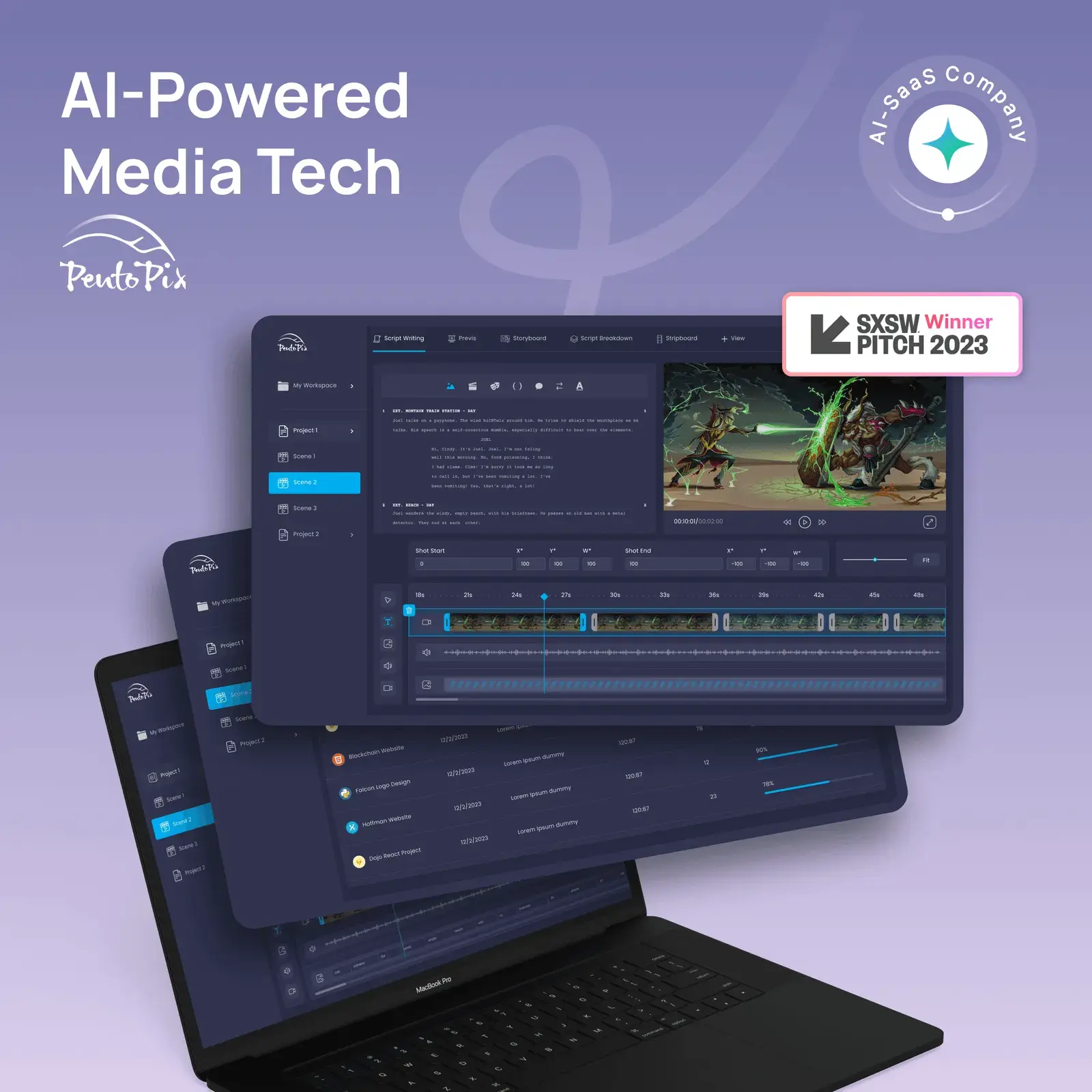
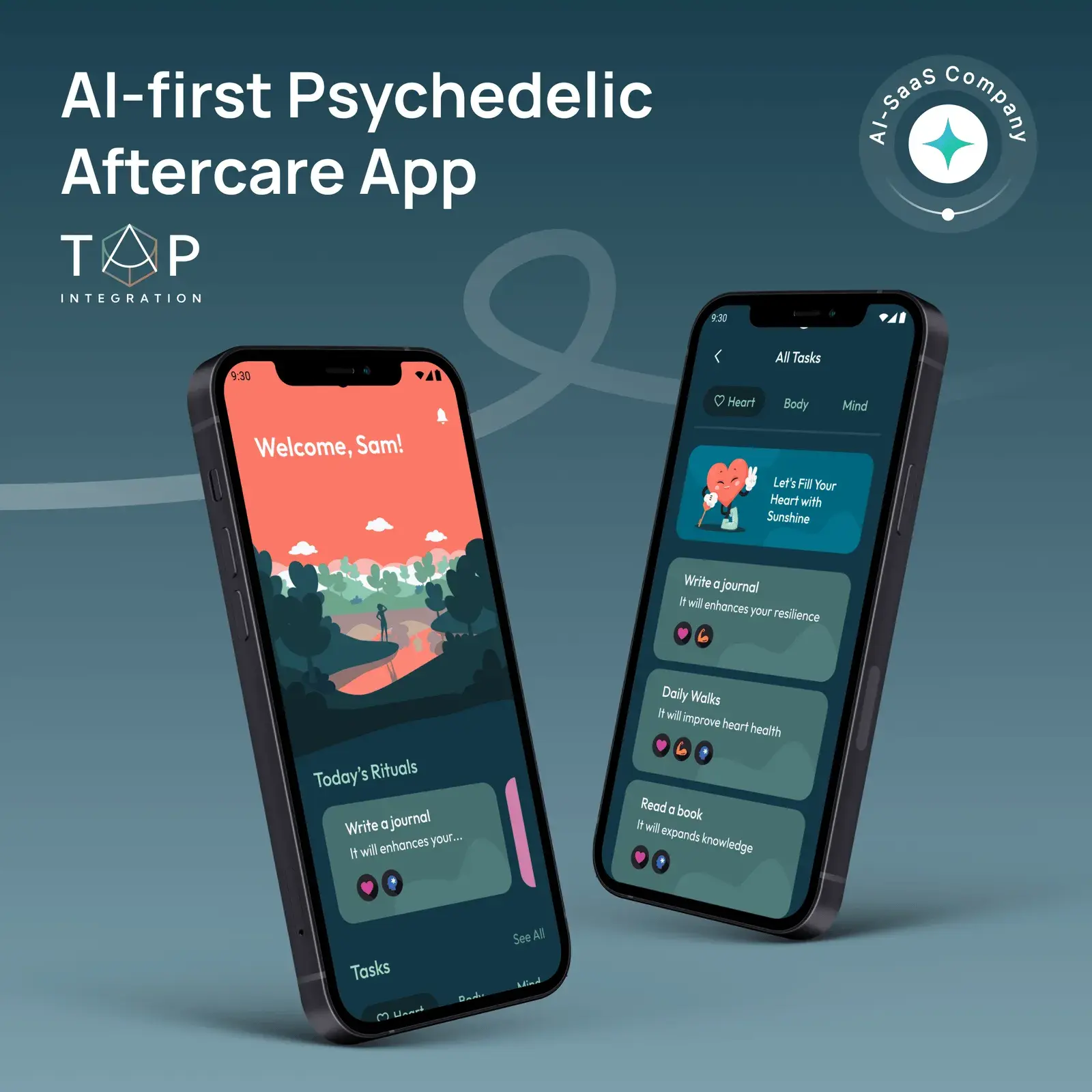
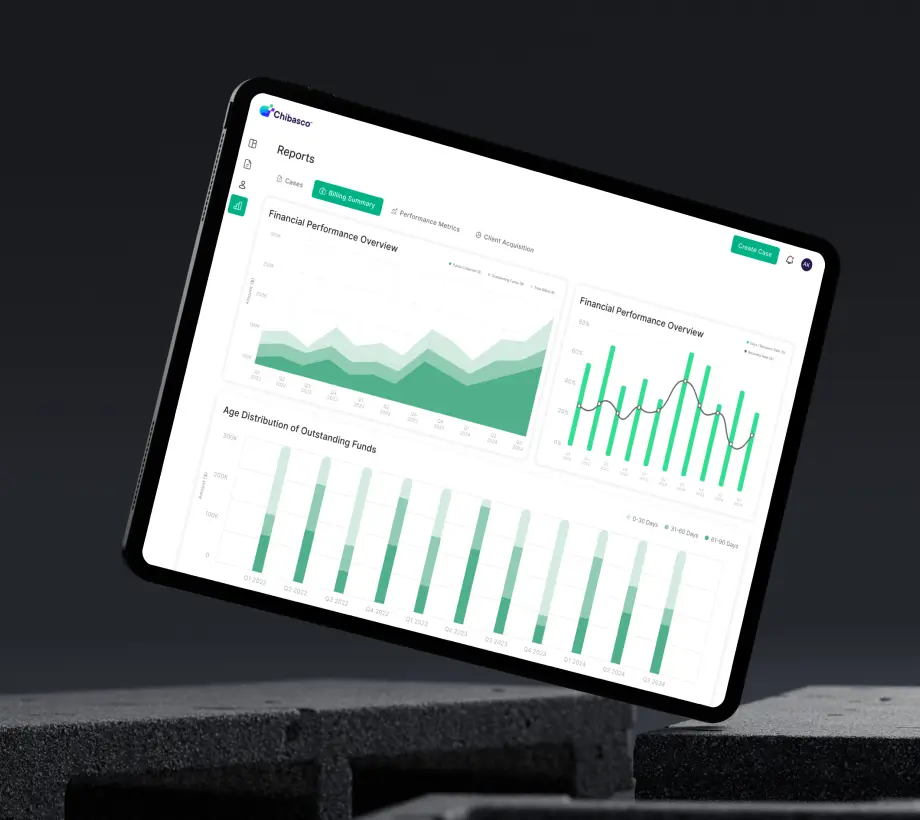
By adopting AI-assisted development, you can significantly reduce team size and development costs while maintaining the same speed, quality, and reliability of delivery.
FTE
FTE
Part time
AI Agents
We use AI-powered tools and automation frameworks to speed up every stage of the software development lifecycle.
AI tools that assist engineers with code generation, refactoring, and documentation through contextual suggestions and inline reasoning.


Multi-agent frameworks that enable coding assistants and context-aware workflow orchestration across CI/CD pipelines.


Tools and systems for processing, analyzing, and transforming large unstructured datasets.


Cloud and containerized environments that host, secure, and monitor Artificial Intelligence-assisted workflows.


We don't just build products; we forge lasting partnerships. See how we've helped industry leaders transform their vision into technical reality.
“I can clearly see how Agnotic has a unique way of handling end-to-end development. They are always active on quick chat and provide support quickly.”

Aaron Phelan
Founder, Benchmark