Challenge
Referrals sent but never reconciled to an outcome
Agnotic approach
We model the full lifecycle with explicit state so every referral is tracked to accepted, booked, completed, or declined — no black holes.


Caredove powers online booking and electronic referral routing for community and home-care services. We build real integrations against its API and webhooks — mapping referrals to FHIR ServiceRequest and closing the loop with your systems, not just knowing the platform.
Trusted by global innovators











Caredove is an eReferral and online-booking platform for community services, home care, and health-system access to care — the layer that lets a clinician or patient find a service, check eligibility, send a referral, and book an appointment. Integrating with it means moving referral requests, booking events, and status updates between Caredove and your EHR, CRM, or care-management platform through its REST API and webhook events.
The non-trivial part is closing the referral loop. A referral isn't done when it's sent — it has an acceptance, a booking, an outcome, and often a decline-and-reroute. Mapping those states cleanly to FHIR ServiceRequest, keeping status in sync across both systems, and handling reroutes without duplication is the real engineering. We scope the API resources, webhook events, and FHIR mapping up front so referrals don't fall into a black hole.
See how we design closed-loop referral integrations — bookings, acceptances, and outcomes staying in sync across both systems.

Common failure modes
Challenge
Referrals sent but never reconciled to an outcome
Agnotic approach
We model the full lifecycle with explicit state so every referral is tracked to accepted, booked, completed, or declined — no black holes.
Challenge
Decline-and-reroute creates duplicates
Agnotic approach
Reroute logic keyed on referral identity that preserves history and avoids issuing a duplicate to the next provider.
Challenge
Webhook events arrive late or duplicated
Agnotic approach
Idempotent handlers with ordering tolerance and a replay path for missed status events.
Challenge
Status semantics differ from FHIR
Agnotic approach
A clear mapping between Caredove referral states and FHIR ServiceRequest status so downstream systems interpret them correctly.
The exact API surface, event model, and FHIR mapping that carry referral and booking data.
Authenticated endpoints for services, referrals, and bookings — the surface for sending referrals, reading status, and querying available services.
Event-driven notifications for referral acceptance, booking, decline, and completion so your platform reflects referral state in near real time.
Referrals mapped to FHIR R4 ServiceRequest and related resources so they interoperate with FHIR-native EHRs and care-management systems.
Self-scheduling and eligibility-checked booking embedded in patient or clinician workflows, with slots and confirmations synced back.
Referral lifecycle state — sent, accepted, booked, completed, declined, rerouted — kept consistent across Caredove and your systems.
Structured referral and outcome data feeding wait-time, conversion, and access-to-care dashboards.
Where it runs
Central intake routing referrals to the right service with online booking.
Community and social-care referral routing with closed-loop tracking.
Referral-to-booking flows feeding home-care scheduling systems.
Referral status synced into care-management and coordination platforms.
Eligibility-checked self-scheduling embedded in patient apps.
Wait-time and referral-conversion reporting for service planning.
A referral that can't be tracked to an outcome is a liability. We build integrations that keep every referral state consistent across systems.

Health Insurance Portability and Accountability Act
Protect PHI with privacy-first architecture, encrypted storage and transmission, strict access controls, and traceable audit logs.

General Data Protection Regulation
Implement lawful consent flows, data minimization, retention controls, and secure processing for sensitive health data.

Fast Healthcare Interoperability Resources
Enable standardized health data exchange across apps, care teams, and systems through robust FHIR-ready APIs.

Health Level Seven International
Support enterprise-grade interoperability with HL7-based integrations for records, events, and clinical messaging workflows.

Health Information Trust Alliance
Align security programs to healthcare-specific control and risk management practices trusted by providers and ecosystem partners.

Health Information Technology for Economic and Clinical Health Act
Design with breach notification readiness, digital record safeguards, and operational controls that support regulated care programs.

FDA Software as a Medical Device
Plan software quality, traceability, and documentation pathways for products that may require SaMD review and submission.

Medical Device Regulation (European Union)
Prepare EU market-ready processes for risk classification, evidence tracking, and lifecycle governance under MDR expectations.

Substance Abuse and Mental Health Services Administration
Apply confidentiality controls and consent-aware sharing models for behavioral and mental health data experiences.
Standards we build against
We treat API access, FHIR mapping, and go-live as parallel tracks so referrals stay closed-loop from day one.
We map the referral lifecycle, API resources, webhook events, and FHIR targets before any code is written.
We provision Caredove API credentials, configure webhook subscriptions, and confirm payloads and rate limits in a test environment.
We build the API clients, webhook handlers, and FHIR ServiceRequest mapping, validating referral state transitions against synthetic flows.
Phased cutover with referral-status dashboards, webhook retry handling, and alerting for stalled or orphaned referrals.
Interface table
How we approach the main data flows — method, typical timeline, and the friction to expect.
| Data flow | Method | Typical timeline | Notes |
|---|---|---|---|
| Send / receive referrals | REST API | 2–4 weeks | Map referral fields to your model and to FHIR ServiceRequest early. |
| Status updates | Webhooks | 2–4 weeks | Handlers must be idempotent; late or duplicate events are common. |
| Online booking | REST API | 3–5 weeks | Slot sync and confirmation handling need conflict resolution. |
| FHIR mapping | FHIR R4 ServiceRequest | 2–4 weeks | Terminology and status mapping between Caredove and FHIR states. |
| Reporting | Structured export | 2–3 weeks | Wait-time and conversion metrics from referral lifecycle data. |
Timelines assume API credentials are provisioned. Closing the loop cleanly across both systems is the real work, not the initial send.
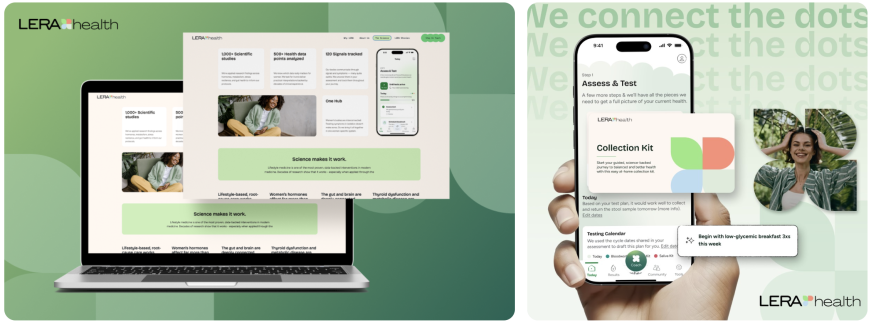
Caredove isn't the subject here, but Lera Health is honest proof of the same capability: FHIR-based data flows, a privacy-first data layer, and a compliant, integration-heavy platform delivered end to end.
We bring the closed-loop discipline and FHIR fluency that eReferral integrations actually require.
HIPAA controls and consent handling designed into the referral flow from the start, with audit trails on shared patient data.
We understand acceptance, booking, decline, and reroute — your coordinators won't be explaining the referral lifecycle to ours.
We build state to follow every referral to an outcome, so nothing disappears between the sending and receiving systems.
One accountable team across discovery, build, QA, and monitoring, with a named engineer for referral and webhook issues.

Real integrations, not just familiarity.
Tell us your referral volume and lifecycle. We'll return a realistic plan with the API-access timeline and closed-loop FHIR-mapping scope.
contact@agnotic.com
Partnerships
contact@agnotic.com