Challenge
Generic mapping loses specialty nuance
Agnotic approach
We map each specialty's structured data model explicitly so derm, ophthal, and ortho detail survives the integration.

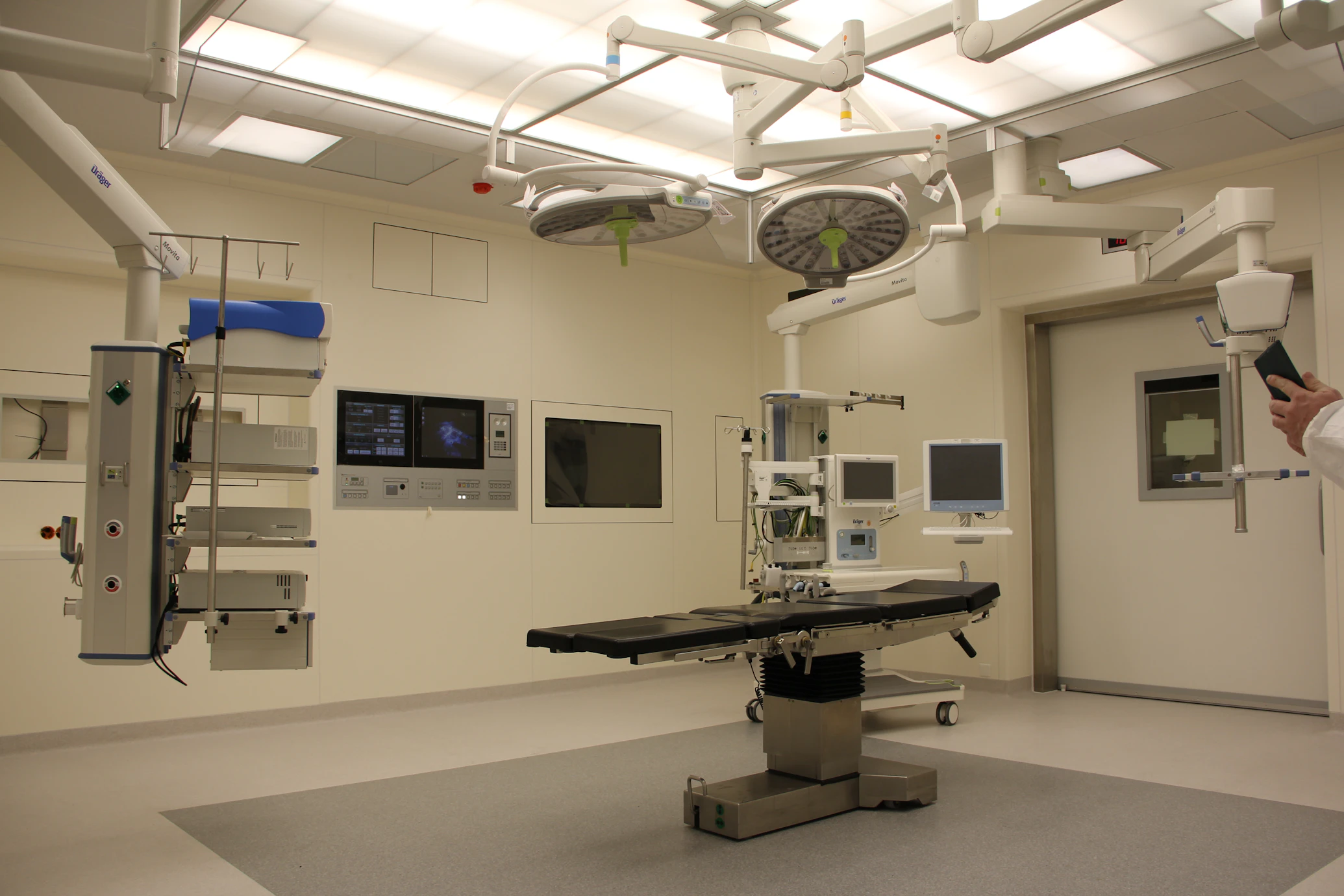
ModMed's EMA is a specialty-specific EHR built around dermatology, ophthalmology, orthopedics, and other specialties. We build real integrations against its APIs and FHIR R4 endpoints — engineered for specialty workflows, not just familiarity.
Trusted by global innovators











Modernizing Medicine (ModMed) builds EMA, a cloud EHR whose defining feature is specialty-specific content — the data models, templates, and workflows are tailored per specialty such as dermatology, ophthalmology, orthopedics, gastroenterology, and plastic surgery, alongside its gGastro and practice-management modules. Integrating ModMed means working with its APIs and ONC-certified FHIR R4 endpoints while respecting how deeply specialty-specific the underlying data is.
The non-trivial part is exactly that specialization: a dermatology encounter, an ophthalmology exam, and an orthopedic visit carry very different structured data, and a generic mapping will lose the clinical nuance that makes ModMed valuable. Access runs through ModMed's partner program. We map the specialty data models precisely so the integration preserves the detail your product depends on.
See how we design ModMed integrations that preserve specialty-specific clinical detail across dermatology, ophthalmology, and orthopedics.

Common failure modes
Challenge
Generic mapping loses specialty nuance
Agnotic approach
We map each specialty's structured data model explicitly so derm, ophthal, and ortho detail survives the integration.
Challenge
Access runs through the partner program
Agnotic approach
We start partner onboarding early and design around its access model so it doesn't block the build.
Challenge
Specialty billing rules differ
Agnotic approach
We align charge and claim logic to each specialty's billing reality with reconciliation and audit reporting.
Challenge
Imaging and documents need correct linkage
Agnotic approach
We tie specialty images and documents to the right encounter so nothing is orphaned in the record.
We build against ModMed's exact surface — the EMA APIs, specialty data models, and certified FHIR R4.
The EMA platform APIs for demographics, scheduling, clinical data, and practice-management operations across ModMed's specialty products.
Careful handling of derm, ophthal, ortho, and GI structured data so specialty-specific clinical detail survives the integration.
The ONC (g)(10)-certified FHIR R4 patient-access resources for standardized clinical reads across ModMed products.
ModMed partner-program access and OAuth2 handling with per-practice scoping so each specialty group stays isolated.
Charge, claim, and remittance data flow aligned to specialty billing workflows with clean reconciliation.
A mapping layer that preserves specialty nuance rather than flattening it into a generic clinical model.
Where it runs
Integrations tuned to derm structured data and imaging.
Exam and diagnostic data flowing to specialty applications.
Ortho documentation and imaging synced to your platform.
Specialty charge capture and claim status automated.
Virtual specialty visits with documentation synced to the record.
Specialty-specific outcomes and operational analytics.
ModMed's value is its specialty specificity. We build so a derm, ophthal, or ortho integration preserves the clinical detail your product needs.

Health Insurance Portability and Accountability Act
Protect PHI with privacy-first architecture, encrypted storage and transmission, strict access controls, and traceable audit logs.

General Data Protection Regulation
Implement lawful consent flows, data minimization, retention controls, and secure processing for sensitive health data.

Fast Healthcare Interoperability Resources
Enable standardized health data exchange across apps, care teams, and systems through robust FHIR-ready APIs.

Health Level Seven International
Support enterprise-grade interoperability with HL7-based integrations for records, events, and clinical messaging workflows.

Health Information Trust Alliance
Align security programs to healthcare-specific control and risk management practices trusted by providers and ecosystem partners.

Health Information Technology for Economic and Clinical Health Act
Design with breach notification readiness, digital record safeguards, and operational controls that support regulated care programs.

FDA Software as a Medical Device
Plan software quality, traceability, and documentation pathways for products that may require SaMD review and submission.

Medical Device Regulation (European Union)
Prepare EU market-ready processes for risk classification, evidence tracking, and lifecycle governance under MDR expectations.

Substance Abuse and Mental Health Services Administration
Apply confidentiality controls and consent-aware sharing models for behavioral and mental health data experiences.
Standards we build against
Partner access, specialty mapping, and reconciliation run in parallel so your ModMed integration reaches production predictably.
We map the specialty data models and workflows you need and confirm the partner-access path.
We navigate ModMed's partner program, establish credentials, and validate the API and FHIR surfaces in sandbox.
We build the specialty-aware integration with mapping and reconciliation, validated against sandbox and pilot data.
Phased rollout with health dashboards, failed-message alerts, and reconciliation reporting.
Surface at a glance
How we think about each ModMed surface — method, use, and notes.
| Surface | Method | Typical use | Notes |
|---|---|---|---|
| EMA APIs | API + OAuth2 | Ops + clinical data | Partner-program access required. |
| Specialty models | Structured data | Derm / ophthal / ortho / GI | Nuance must be preserved, not flattened. |
| FHIR R4 | REST + OAuth2 | Certified clinical reads | ONC (g)(10) scope. |
| Billing / RCM | API | Charges, claims, ERA | Specialty billing rules apply. |
Preserving specialty data detail, not raw endpoint count, is what makes a ModMed integration succeed.
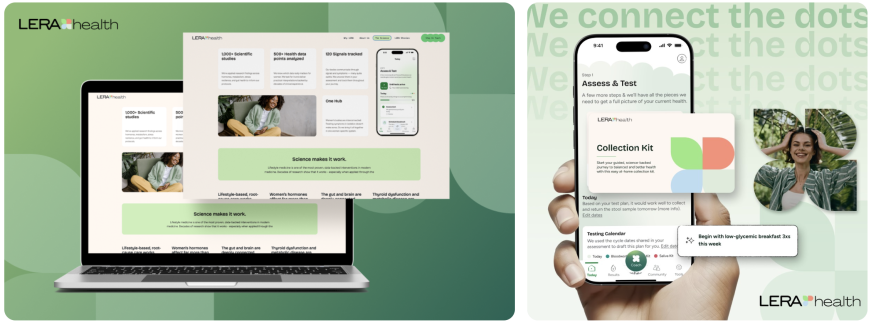
Related proof of specialty-aware, compliant delivery: for Lera Health we modeled nuanced, domain-specific clinical data into a privacy-first record — the same detail-preserving discipline a ModMed specialty integration demands.
We preserve the specialty detail that makes ModMed valuable instead of flattening it.
We map derm, ophthal, ortho, and GI data models precisely so clinical nuance survives the integration.
HIPAA-ready handling and per-practice isolation designed in from sprint one on BAA-covered infrastructure.
We navigate ModMed's partner program so access doesn't sit on the critical path.
We've shipped compliant clinical products, so specialty documentation and billing flows land right.

Real ModMed integrations, not just familiarity
Tell us which specialties you serve. We'll return a realistic plan that preserves specialty detail with the partner-access path built in.
contact@agnotic.com
Partnerships
contact@agnotic.com