Challenge
Live feeds can't stop during migration.
Agnotic approach
Parallel run of old and new engines with message-count reconciliation before any feed is cut over.

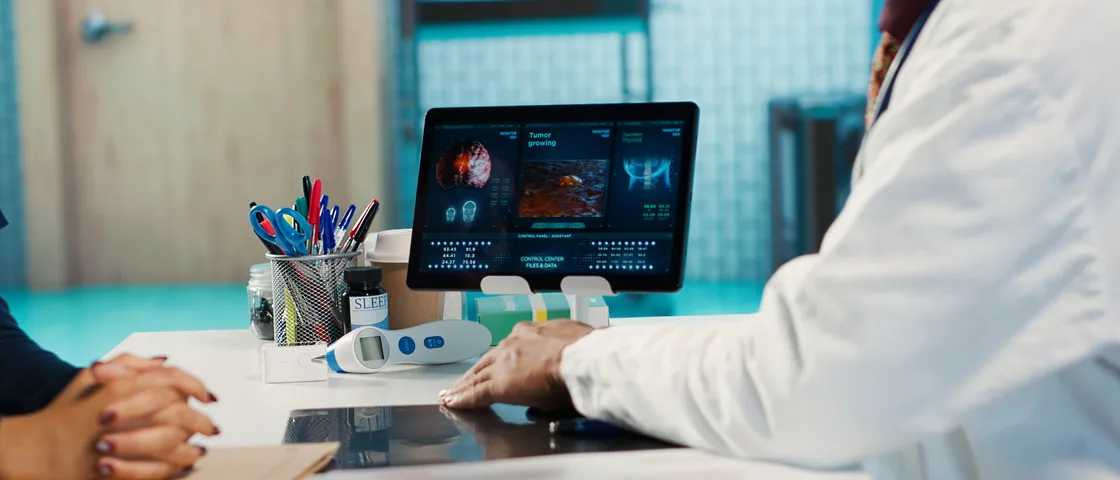
We migrate and modernize healthcare integration infrastructure — moving HL7 interfaces off aging engines like Cloverleaf or Rhapsody onto modern middleware such as Mirth, without dropping a single live feed.
Trusted by global innovators











The interface engine is the quiet backbone of a health system — dozens or hundreds of HL7 feeds (ADT, ORM, ORU, SIU) routing between the EHR, lab, radiology, and ancillary systems. When that engine ages out of support or grows unmaintainable, migration is unavoidable, but every channel carries live patient data that cannot stop.
The hard part is doing it without downtime or data loss. We inventory every interface, rebuild channels and transformers on a modern engine, run old and new in parallel with message-count reconciliation, and cut over feed by feed — so the migration reduces cost and complexity without ever interrupting clinical data flow.
See how we migrate interface engines — full feed inventory, rebuilt channels, parallel run, and reconciled, phased cutover.
Common failure modes
Challenge
Live feeds can't stop during migration.
Agnotic approach
Parallel run of old and new engines with message-count reconciliation before any feed is cut over.
Challenge
Undocumented transformer logic hides business rules.
Agnotic approach
We reverse-engineer and re-document channel logic against real message samples before rebuilding.
Challenge
Interface sprawl makes the new engine unmaintainable too.
Agnotic approach
Consistent naming, shared code templates, and documented topology so the new engine stays clean.
Challenge
Silent message failures go unnoticed.
Agnotic approach
Error queues, alerting, and a reprocessing runbook so failures are visible and recoverable.
The migration surface behind a clean, modern integration layer.
Full inventory of every feed — source, destination, message type, and volume.
Rebuild channels and transformers on a modern engine with reusable code templates.
Old and new in parallel with message-count reconciliation before cutover.
Optionally expose legacy HL7 feeds as FHIR R4 for modern consumers.
Where it runs
Move off Cloverleaf, Rhapsody, or legacy engines to modern middleware.
Relocate integration infrastructure to the cloud.
Consolidate duplicated or sprawling interfaces.
Expose legacy feeds as FHIR for new applications.
Add the observability legacy engines lacked.
Reconstruct interface documentation as part of migration.
Interface migrations fail on downtime and hidden logic. We inventory, parallel-run, and reconcile before cutover.
Health Insurance Portability and Accountability Act
Protect PHI with privacy-first architecture, encrypted storage and transmission, strict access controls, and traceable audit logs.

General Data Protection Regulation
Implement lawful consent flows, data minimization, retention controls, and secure processing for sensitive health data.

Fast Healthcare Interoperability Resources
Enable standardized health data exchange across apps, care teams, and systems through robust FHIR-ready APIs.

Health Level Seven International
Support enterprise-grade interoperability with HL7-based integrations for records, events, and clinical messaging workflows.

Health Information Trust Alliance
Align security programs to healthcare-specific control and risk management practices trusted by providers and ecosystem partners.

Health Information Technology for Economic and Clinical Health Act
Design with breach notification readiness, digital record safeguards, and operational controls that support regulated care programs.

FDA Software as a Medical Device
Plan software quality, traceability, and documentation pathways for products that may require SaMD review and submission.

Medical Device Regulation (European Union)
Prepare EU market-ready processes for risk classification, evidence tracking, and lifecycle governance under MDR expectations.

Substance Abuse and Mental Health Services Administration
Apply confidentiality controls and consent-aware sharing models for behavioral and mental health data experiences.
Standards we build against
Inventory, parallel run, and phased cutover treated as the real work.
We inventory every feed and reverse-engineer transformer logic from real samples.
We rebuild channels with clean transformers, naming, and error handling.
Old and new run together with message-count reconciliation.
Cut over feed by feed with monitoring and rollback.
Migration that respects the fact these feeds carry live patient data.
HIPAA-ready, audited message handling throughout.
Fluent in Mirth, Rhapsody, Cloverleaf, and HL7 v2.
Parallel run and reconciliation so feeds never stop.
HL7, FHIR, X12, and CDA across one modern engine.

Modernization that keeps feeds flowing
Send us your feed list and current engine. We will return a phased, zero-downtime migration plan.
contact@agnotic.com
Partnerships
contact@agnotic.com