



Design System
We build design systems for your web and mobile products: design tokens, reusable components and documentation your designers and engineers share, with WCAG 2.2 accessibility built in.
What is a design system?
A design system is a shared set of design tokens, reusable components and usage rules that keeps every screen of a product consistent. Agnotic Technologies builds design systems for web and mobile products: tokens for color, type and spacing, coded components documented in Storybook, and WCAG 2.2 accessibility checks on every component.
Custom Design System Creation
Develop scalable design systems tailored to your business, ensuring a unified digital experience across all products, applications, and platforms.
Component Library Development
Use UI components for a consistent, reusable interface, streamlining web and mobile application development while enhancing branding consistency.
Accessibility-Ready Design Systems
Components checked against WCAG 2.2 level AA for color contrast, keyboard use, focus states and target size, with responsive design rules for every screen size.
Design System Audits & Updates
Refine and optimize custom design systems, maintaining branding consistency and aligning with evolving business needs and digital experience trends.
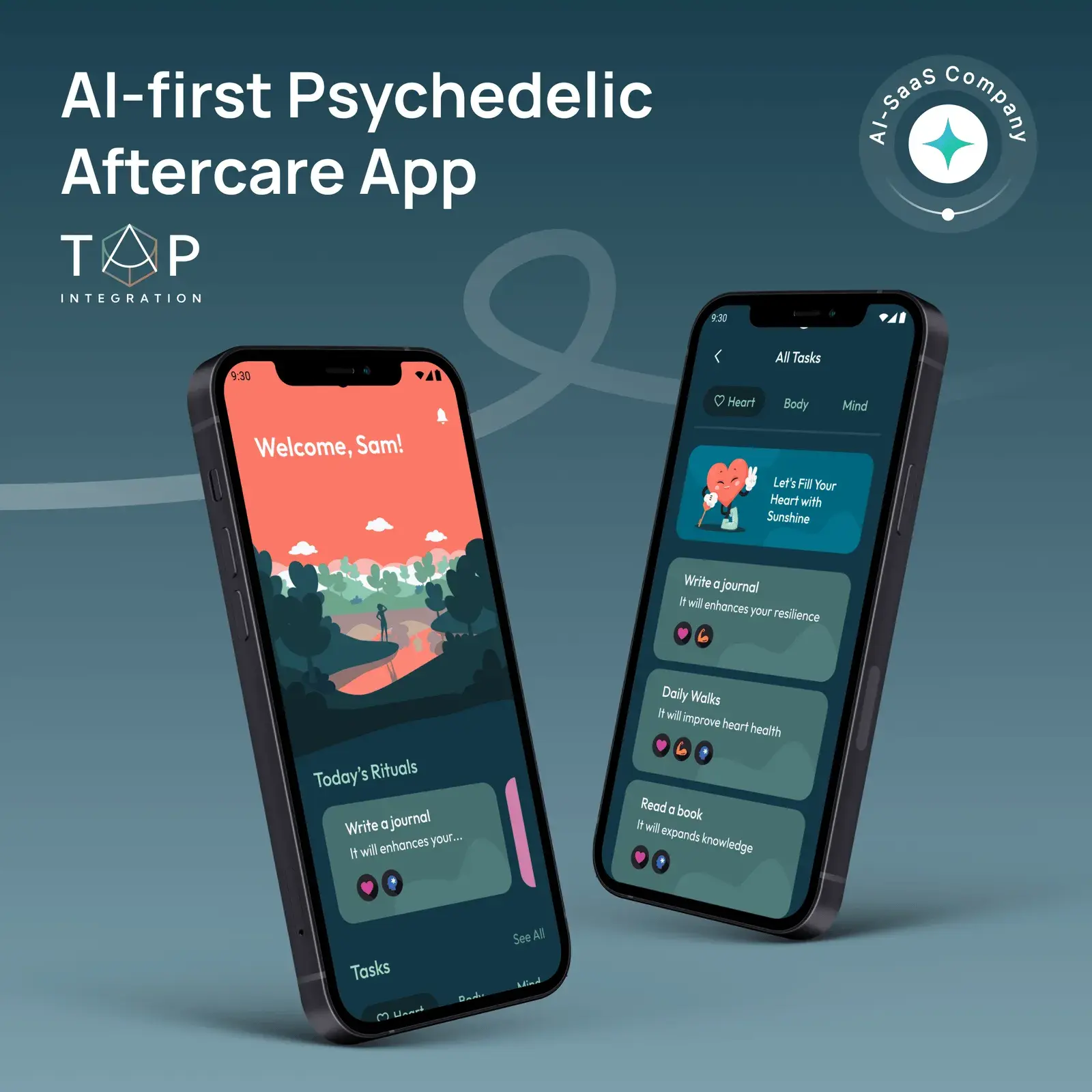
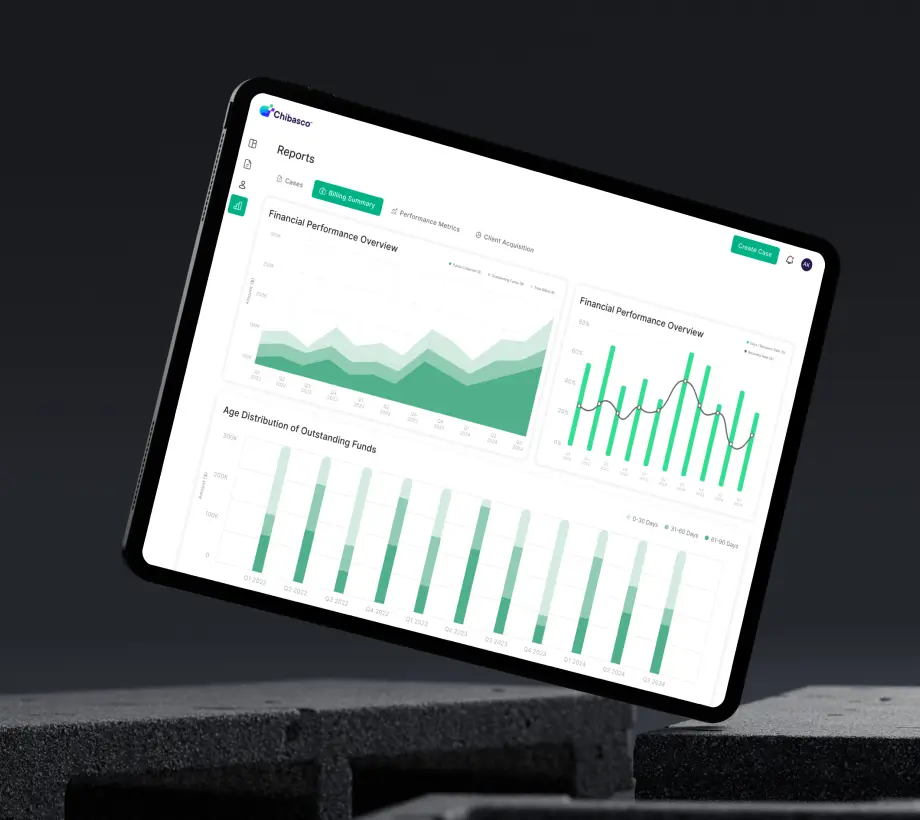
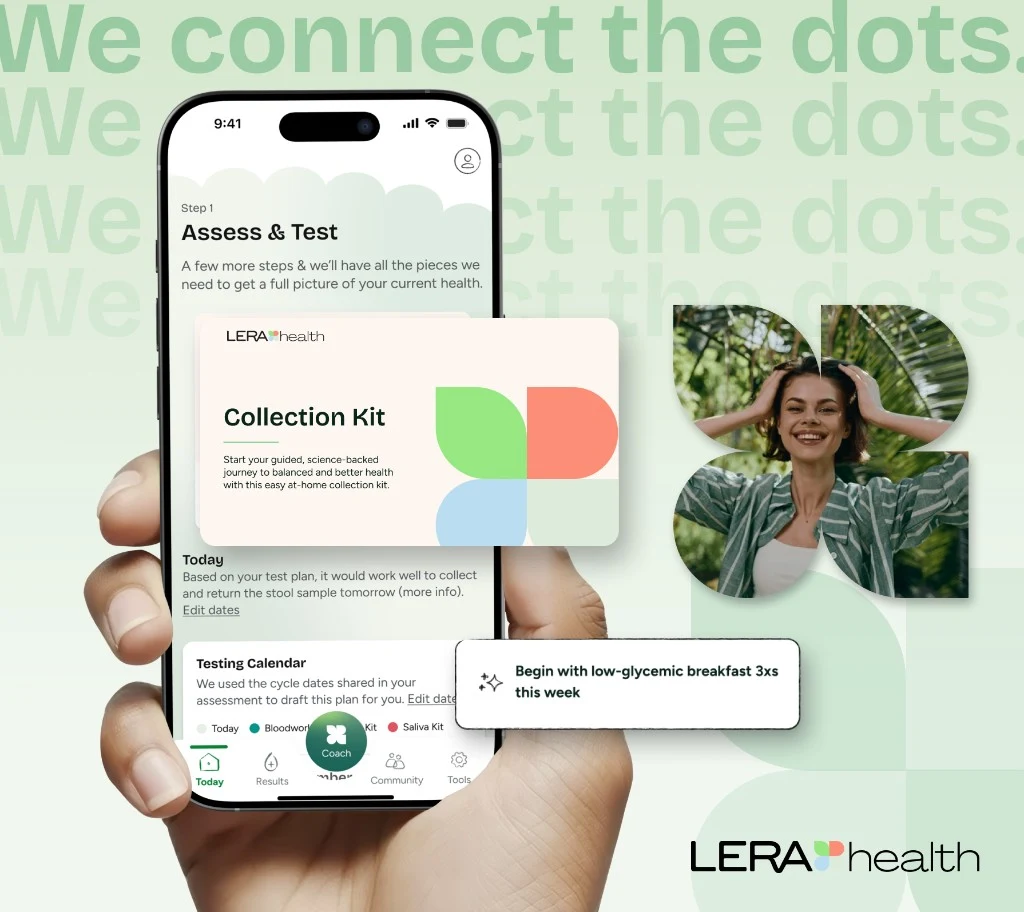
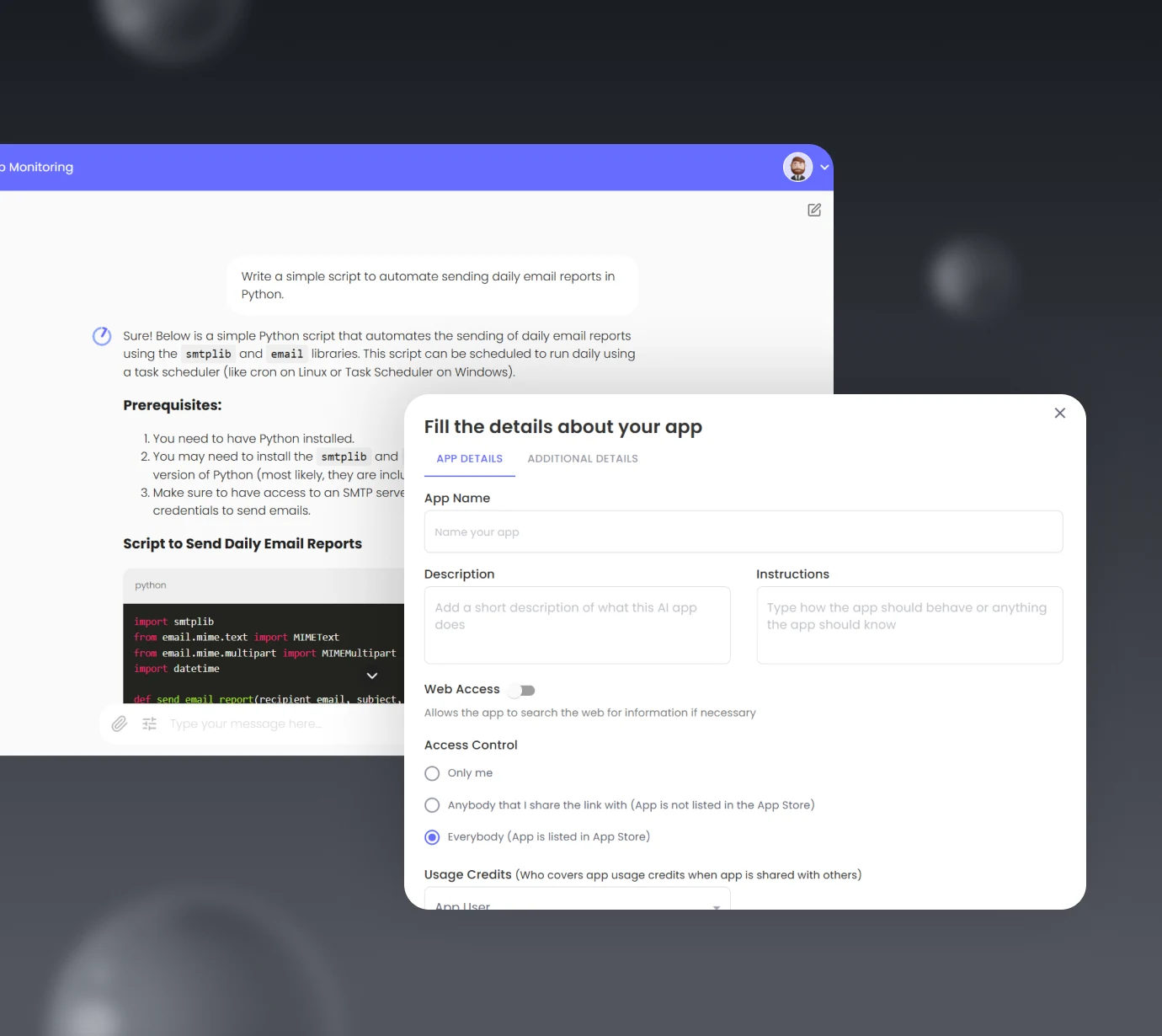
Real-Time Projects

Why work with Agnotic on a design system?
Designers and engineers build the system together, so components in the design file match components in code.
Custom Solutions
Our design systems are tailored to your business needs, ensuring consistency across all platforms.
Component Libraries
We create reusable components that streamline design and development processes.
Accessibility built in
Color, contrast, focus states and target sizes checked against WCAG 2.2 for every component.
Responsive design
Components and layout rules that work across web, mobile and desktop screen sizes.
Future-Proof Approach
With scalable designs, your product is ready to evolve with your business.
Who trusts us with design systems?






Global businesses trust Agnotic to deliver reliable, compliant software that drives success and fosters growth.
We Are Technology-Agnostic
With a diverse technology stack, we deliver solutions using a technology-Agnostic approach to meet your unique needs.
Wireframe & Ideation

User Experience
Voice of success
We don't just build products; we forge lasting partnerships. See how we've helped industry leaders transform their vision into technical reality.
“I can clearly see how Agnotic has a unique way of handling end-to-end development. They are always active on quick chat and provide support quickly.”

Aaron Phelan
Founder, Benchmark
How would we build a design system for a growing SaaS product?
We start with an audit of the screens you already have, then define design tokens for color, type and spacing and build the components your product uses most, documented in Storybook with usage rules.
Components are checked against WCAG 2.2 level AA and released as a versioned package, so designers and engineers use the same parts. We agree how success is measured, such as fewer one-off components, with you before work starts.

How do we audit an existing design system?
An audit compares the design file with the code: duplicated components, colors and type that drift from the design tokens, and components that fail WCAG 2.2 checks.
The result is a ranked list of fixes, a plan to merge duplicates and updated tokens that match your current brand guidelines.
Which standards shape a design system?
Short facts we build design tokens and components around, each linked to its primary source.
The Design Tokens Community Group published version 2025.10 of its Design Tokens Format Module, a JSON file format for exchanging design tokens between tools. It is a W3C Community Group specification, not a W3C Standard.
Source: Design Tokens Community Group, Format Module 2025.10WCAG 2.2 success criterion 1.4.3 (Level AA) requires a contrast ratio of at least 4.5:1 for normal text and 3:1 for large text.
Source: W3C, WCAG 2.2WCAG 2.2 added nine success criteria, including 2.5.8 Target Size (Minimum) at Level AA, which asks for pointer targets of at least 24 by 24 CSS pixels, with listed exceptions.
Source: W3C, Understanding WCAG 2.2: Target Size (Minimum)WCAG 2.2 success criterion 1.4.10 Reflow (Level AA) asks that content can be read without scrolling in two directions at a width equivalent to 320 CSS pixels, which is 1280 pixels wide at 400% zoom.
Source: W3C, Understanding WCAG 2.2: Reflow
What do teams ask about design systems?
Let's build your Design System.
Tell us where you are and what you're building. We'll map the fastest, most reliable path to a production-ready result, and how we'd approach it.