Physical & occupational therapy
Home exercise adherence and functional-progress tracking for MSK recovery.


We build RTM platforms that capture non-physiologic therapy data — musculoskeletal, respiratory, and behavioral adherence — and turn it into clean CPT 98975-98981 claims with the time tracking payers audit for.
Trusted by global innovators











Remote Therapeutic Monitoring bills for therapy adherence and response data that isn't a raw physiologic vital — pain scores, medication and exercise adherence, respiratory function, and behavioral engagement. Unlike RPM, RTM data can be self-reported, which widens the device and app surface but tightens the requirement for defensible time and interaction logs.
Generic survey tools capture the data but can't defend a claim. RTM reimbursement under CPT 98975-98981 hinges on documented device supply, 16-day data thresholds, and per-calendar-month treatment-management minutes. We build the capture, the timer, and the audit trail as one system so PT, respiratory, and behavioral programs get paid for the work they already do.
RTM vs RPM
Remote Therapeutic Monitoring covers non-physiologic data — therapy adherence, response, and function — and, unlike RPM, permits self-reported input. That makes it the right vehicle for physical therapy, respiratory therapy, and behavioral health, where the signal is engagement and response rather than a continuous vital sign.
The reimbursement structure mirrors RPM but uses its own code family: CPT 98975-98981. Getting paid depends on documenting device supply, hitting data thresholds, and logging treatment-management time — which is exactly what we build into the platform.
From patient app to clinician queue to a clean 837P claim — see how we wire capture, adherence logic, and time tracking into one auditable pipeline.

Every capability is wired to the code it defends — capture, adherence, and the CPT 98975-98981 time trail.
Patient-reported outcomes, exercise and medication adherence, and connected respiratory devices (peak flow, spirometry, inhaler sensors) captured for PT, respiratory, and behavioral programs alike.
98975 setup and education, 98976 respiratory and 98977 musculoskeletal device supply with the 16-day threshold, 98978 for behavioral/cognitive device supply, and 98980/98981 treatment-management time in 20-minute increments.
Adherence and outcome data modeled as FHIR R4 Observation and QuestionnaireResponse resources so it flows into the EHR and analytics without a proprietary schema lock-in.
A per-patient, per-calendar-month timer that logs every interaction against a clinician identity, producing the audit trail CMS and commercial payers request on RTM claims.
Trend detection surfaces patients falling below the 16-day data window or dropping adherence, so care teams intervene before a therapy episode fails and revenue is lost.
Where it runs
Home exercise adherence and functional-progress tracking for MSK recovery.
COPD and asthma programs with connected spirometry and inhaler sensors.
Cognitive and behavioral adherence monitoring under 98978 device supply.
Structured recovery protocols with pain and mobility reporting.
Virtual-first musculoskeletal care with billable therapy monitoring.
Longitudinal pain and function tracking tied to treatment adjustments.
RTM revenue is lost at the thresholds — missed 16-day windows and undocumented minutes. We instrument those first.

Health Insurance Portability and Accountability Act
Protect PHI with privacy-first architecture, encrypted storage and transmission, strict access controls, and traceable audit logs.

General Data Protection Regulation
Implement lawful consent flows, data minimization, retention controls, and secure processing for sensitive health data.

Fast Healthcare Interoperability Resources
Enable standardized health data exchange across apps, care teams, and systems through robust FHIR-ready APIs.

Health Level Seven International
Support enterprise-grade interoperability with HL7-based integrations for records, events, and clinical messaging workflows.

Health Information Trust Alliance
Align security programs to healthcare-specific control and risk management practices trusted by providers and ecosystem partners.

Health Information Technology for Economic and Clinical Health Act
Design with breach notification readiness, digital record safeguards, and operational controls that support regulated care programs.

FDA Software as a Medical Device
Plan software quality, traceability, and documentation pathways for products that may require SaMD review and submission.

Medical Device Regulation (European Union)
Prepare EU market-ready processes for risk classification, evidence tracking, and lifecycle governance under MDR expectations.

Substance Abuse and Mental Health Services Administration
Apply confidentiality controls and consent-aware sharing models for behavioral and mental health data experiences.
Standards & billing
Billing rules and clinical workflow are designed together from day one, so the platform is defensible before the first patient is enrolled.
We map your therapy programs to the right CPT 98975-98981 codes, define the device-supply and 16-day thresholds, and design the time-tracking model before any UI is built.
Patient app, questionnaires, and respiratory/adherence device onboarding, with FHIR Observation modeling and consent capture wired in from the first sprint.
The clinician dashboard, review queue, and per-month timer that turns treatment-management interactions into billable, audit-ready minutes.
We connect the claim path to your billing or clearinghouse via 837P, validate against denials, and phase the rollout with monitoring on data thresholds.
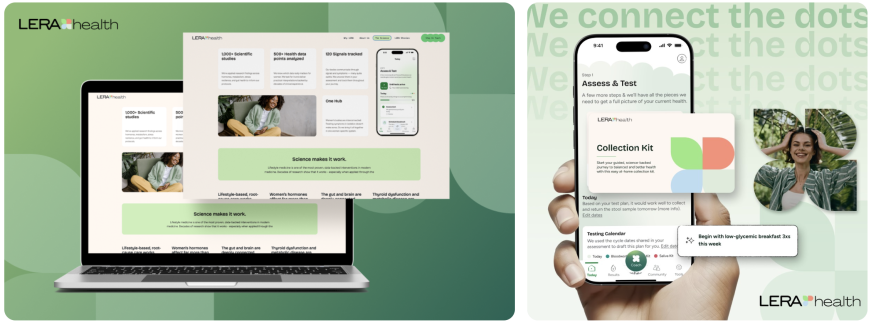
Related proof of compliant delivery: for Lera Health we built a privacy-first data layer, a testing-to-insights workflow, and a patient experience end to end — the same discipline in consent, PHI handling, and clinician workflow that an RTM program depends on.
We treat reimbursement as an engineering requirement, not a downstream afterthought.
HIPAA-ready architecture, audit logging, and defensible time tracking designed in from sprint one — the parts payers scrutinize.
We encode the 16-day and 20-minute thresholds into the product so claims hold up when a payer asks for the interaction log.
One platform pattern that flexes across therapy lines instead of three disconnected point tools.
Standards-based data modeling so your RTM data is portable into the EHR, analytics, and future value-based programs.

RTM programs that get paid for the care you already deliver
Tell us your therapy lines and payer mix. We'll return a plan with the right CPT 98975-98981 mapping, a device strategy, and a defensible time-tracking model.
contact@agnotic.com
Partnerships
contact@agnotic.com