Challenge
Replayed webhooks create duplicates
Agnotic approach
Verification plus idempotency keys so re-delivered payloads never double-write.

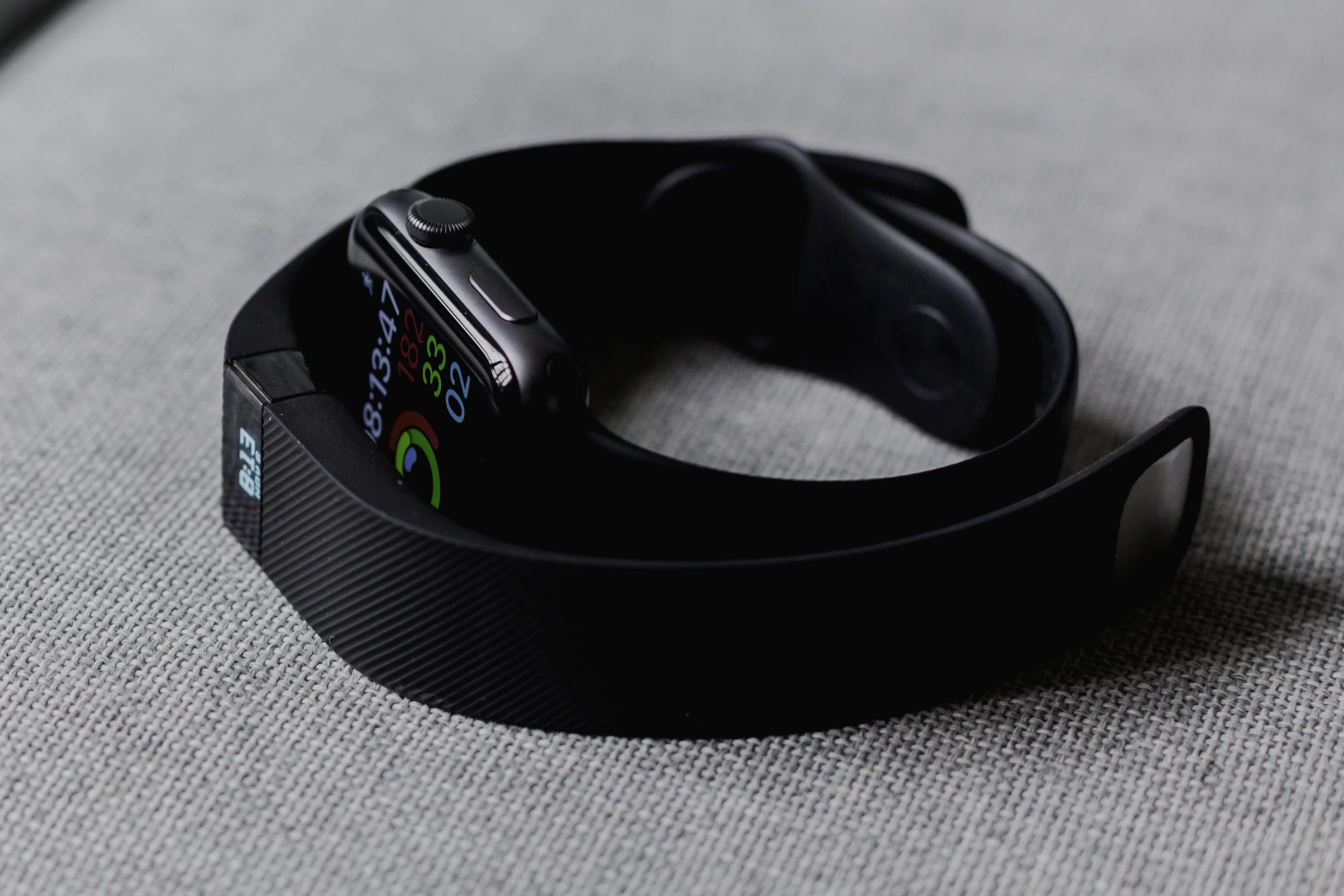
We integrate the Spike API — a wearable-data aggregator that connects many devices and health apps through one interface. Real aggregation engineering: connection flows, webhooks, and PGHD-to-FHIR pipelines built to production standards.
Trusted by global innovators










Spike is a wearable-and-health-data aggregator: one API that connects a wide range of wearables and health platforms and normalizes their data so you build against a single schema rather than each provider individually. Like other aggregators, Spike uses a user-connection flow, webhook delivery for new readings, and REST endpoints for historical data. The value is speed to broad coverage; the responsibility is engineering the pipeline that consumes it correctly.
The determining work is downstream of Spike: authenticating and de-duplicating webhook deliveries, backfilling history without overlap, reconciling normalized units, and mapping the unified stream into FHIR Observations. We build that pipeline so a single Spike integration delivers reliable, consented, correctly typed data across a broad device set.
See how we turn one Spike connection into a clean, consented, multi-device pipeline.

Common failure modes
Challenge
Replayed webhooks create duplicates
Agnotic approach
Verification plus idempotency keys so re-delivered payloads never double-write.
Challenge
Backfill overlaps the live stream
Agnotic approach
Windowed de-duplication reconciling historical and real-time data.
Challenge
Provider coverage varies
Agnotic approach
Per-provider capability checks so product expectations match reality.
Challenge
Normalized data needs clinical typing
Agnotic approach
LOINC codes and UCUM units applied when mapping to FHIR.
We build against Spike's connection flow, webhooks, and normalized data model.
The Spike user-connection flow, provider linking, and connection-status handling wired end to end.
A wide range of wearables and health apps reached through one Spike integration.
Verified webhook receivers with idempotent processing and replay safety.
Normalized Spike payloads mapped to FHIR R4 Observations with LOINC codes and UCUM units.
REST-based backfill de-duplicated against the live webhook stream.
Where it runs
Broad wearable coverage feeding product features.
Activity and sleep data across many providers.
Wearable signals driving coaching logic.
Device data across a member population.
Consented multi-wearable data for studies.
Consumer devices supplementing clinical monitoring.
Spike collapses many wearable integrations into one engineered connection.

Health Insurance Portability and Accountability Act
Protect PHI with privacy-first architecture, encrypted storage and transmission, strict access controls, and traceable audit logs.

General Data Protection Regulation
Implement lawful consent flows, data minimization, retention controls, and secure processing for sensitive health data.

Fast Healthcare Interoperability Resources
Enable standardized health data exchange across apps, care teams, and systems through robust FHIR-ready APIs.

Health Level Seven International
Support enterprise-grade interoperability with HL7-based integrations for records, events, and clinical messaging workflows.

Health Information Trust Alliance
Align security programs to healthcare-specific control and risk management practices trusted by providers and ecosystem partners.

Health Information Technology for Economic and Clinical Health Act
Design with breach notification readiness, digital record safeguards, and operational controls that support regulated care programs.

FDA Software as a Medical Device
Plan software quality, traceability, and documentation pathways for products that may require SaMD review and submission.

Medical Device Regulation (European Union)
Prepare EU market-ready processes for risk classification, evidence tracking, and lifecycle governance under MDR expectations.

Substance Abuse and Mental Health Services Administration
Apply confidentiality controls and consent-aware sharing models for behavioral and mental health data experiences.
Standards we build against
A phased approach treating connection flow, webhook reliability, and FHIR mapping as parallel tracks.
We map Spike's coverage to your needs and design the connection and consent model.
Spike developer account, connection flow, and webhook validation against test data.
Authenticated webhooks, backfill, de-duplication, and the normalized-to-FHIR mapping.
Production go-live with webhook-delivery and connection-health dashboards.
Aggregator table
Aggregators trade per-provider work for one connection.
| Approach | Effort | Coverage | Notes |
|---|---|---|---|
| Spike aggregator | One integration | Broad | Fast breadth; normalized schema. |
| Terra aggregator | One integration | Broad | Alternative aggregator; compare coverage. |
| Direct provider | Per provider | Deep | Only where an aggregator lacks a needed provider. |
We compare Spike and Terra against your provider list and recommend the best fit, adding direct integrations only where needed.
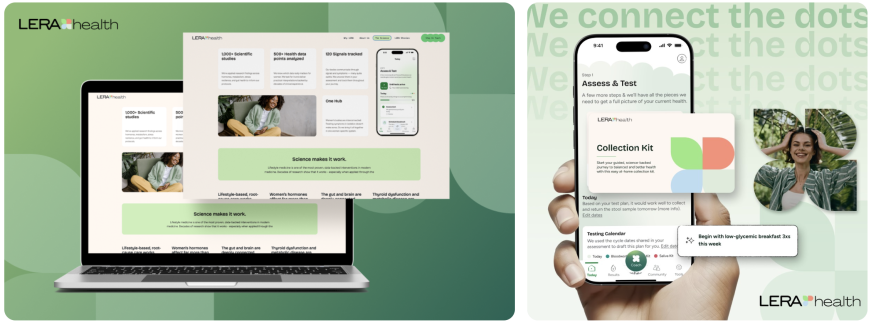
Related proof of compliant, integration-heavy delivery: the multi-source data layer we built for Lera Health reflects the same normalization and consent discipline we apply to aggregated wearable data.
We build Spike pipelines that scale to many providers without per-provider upkeep.
Consent, connection lifecycle, and audit trails from sprint one.
We know how aggregator normalization behaves and where it needs clinical mapping.
One Spike integration unlocks broad device coverage in weeks.
One accountable team owning connection, webhooks, and FHIR mapping.

Tell us your provider list and data needs. We'll return a realistic pipeline plan.
contact@agnotic.com
Partnerships
contact@agnotic.com