Chronic condition apps
Self-management for diabetes, hypertension, and more.


We design and build patient- and clinician-facing mobile health apps (native iOS and Android or cross-platform) with HealthKit and Health Connect integration and PHI protection engineered in from the first screen.
Trusted by global innovators








mHealth app development is building iOS and Android apps that handle health data: vitals from HealthKit and Health Connect, connected devices, care plans and messaging. Agnotic Technologies builds them for digital health founders and providers, with encrypted on-device storage, offline use, a HIPAA-ready backend and the App Store and Google Play health rules designed in.
A lost phone can become a reportable breach, and poor UX makes patients stop using the app. We build native iOS (Swift/SwiftUI), Android (Kotlin) or cross-platform (React Native/Flutter) apps with PHI handling, consent, certificate pinning and biometric auth from the first screen.
What it is
mHealth app development builds mobile health applications (for patients, caregivers, or clinicians) that capture and act on health data on iOS and Android, integrating platform health data via HealthKit and Health Connect.
The bar is high on both sides: an experience people keep using and PHI protection that holds up to HIPAA and App Store review. We engineer both together.
On-device protection, encrypted sync, HealthKit/Health Connect ingestion, and a HIPAA-ready backend, designed as one architecture from phone to cloud.

Each capability pairs a mobile feature with the platform API or control it relies on.
Read and write vitals, activity, sleep, and workouts through Apple HealthKit and Android Health Connect, with explicit user consent and scoped permissions so patients control exactly what's shared.
Encrypted local storage, iOS Keychain / Android Keystore for secrets, biometric authentication, and certificate pinning, so a lost or compromised phone doesn't turn into a reportable breach.
Native iOS (Swift/SwiftUI) and Android (Kotlin) where performance and platform APIs matter, or React Native / Flutter when a shared codebase gets you to market faster: chosen for your case, not dogma.
A secure backend with encrypted PHI storage, audit logging, and FHIR R4 APIs so app data flows cleanly to EHRs, portals, and analytics rather than living in a silo.
Bluetooth Low Energy and vendor SDK integration for connected devices (glucose meters, BP cuffs, pulse oximeters) feeding the app through consented, HIPAA-compliant pipelines.
Push notifications, reminders, and accessible, WCAG-aware UX designed for real-world adherence, because the best-secured app still fails if patients abandon it.
Where it runs
Self-management for diabetes, hypertension, and more.
Patient apps paired with connected devices for RPM programs.
Reminders, tracking, and refill workflows.
Activity, sleep, and lifestyle coaching from HealthKit data.
Secure messaging and check-ins between patients and clinicians.
Evidence-based mobile interventions with data capture.
Adoption depends on consumer-grade UX; trust depends on clinical-grade protection. We build for both at once.

Health Insurance Portability and Accountability Act
Protect PHI with privacy-first architecture, encrypted storage and transmission, strict access controls, and traceable audit logs.

General Data Protection Regulation
Implement lawful consent flows, data minimization, retention controls, and secure processing for sensitive health data.

Fast Healthcare Interoperability Resources
Enable standardized health data exchange across apps, care teams, and systems through standards-based FHIR APIs.

Health Level Seven International
Support enterprise-grade interoperability with HL7-based integrations for records, events, and clinical messaging workflows.

Health Information Trust Alliance
Align security programs to healthcare-specific control and risk management practices trusted by providers and ecosystem partners.

Health Information Technology for Economic and Clinical Health Act
Design with breach notification readiness, digital record safeguards, and operational controls that support regulated care programs.

FDA Software as a Medical Device
Plan software quality, traceability, and documentation pathways for products that may require SaMD review and submission.

Medical Device Regulation (European Union)
Prepare EU market-ready processes for risk classification, evidence tracking, and lifecycle governance under MDR expectations.

Substance Abuse and Mental Health Services Administration
Apply confidentiality controls and consent-aware sharing models for behavioral and mental health data experiences.
Standards we build against
We build mobile UX and PHI protection together, so security never becomes a last-minute scramble before review.
We define the clinical goal, map the patient journey, and design accessible flows, with consent and data handling considered from the first wireframe.
We choose native or cross-platform, design on-device protection and the HIPAA-ready backend, and plan HealthKit / Health Connect and device integrations.
Iterative development of the app, backend, and integrations, validated against synthetic data with security testing throughout.
App Store and Play Store submission, phased rollout, analytics, and ongoing iteration on engagement and clinical value.
Short facts we design around, each linked to its primary source.
Apple's App Review Guideline 5.1.3 bars apps from using or disclosing HealthKit and other health data for advertising, marketing or data mining, other than improving health management or health research with permission.
Source: Apple App Review Guidelines, 5.1.3Google Play reviews every request for Health Connect health and fitness permissions, and apps must justify each data type they request and request only the minimum they need.
Source: Google Play Console Help, Health Connect permissionsThe HIPAA Security Rule requires administrative, physical and technical safeguards for electronic protected health information.
Source: 45 CFR Part 164 Subpart C (eCFR)The FTC Health Breach Notification Rule requires vendors of personal health records and related entities, including many health apps outside HIPAA, to notify consumers after a breach of unsecured health information.
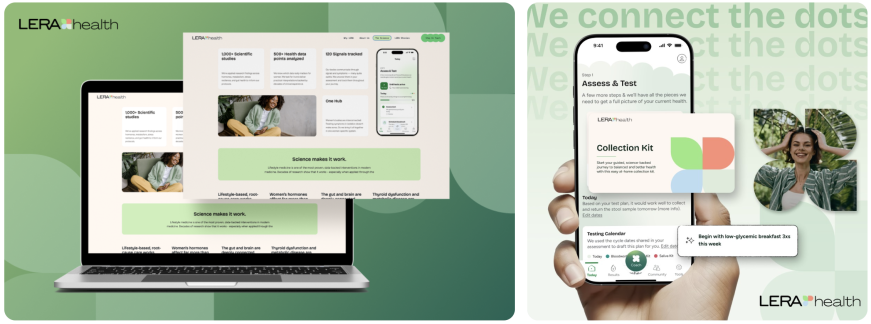
Source: 16 CFR Part 318 (eCFR)Lera Health is a patient-facing women's health app we built end to end: consumer-grade experience over a privacy-first, HIPAA-ready data layer, exactly the balance an mHealth product has to strike.
We pair consumer-grade mobile craft with clinical-grade data protection, so your app is both loved and defensible.
PHI protection, consent, and audit logging designed in from the first screen, never retrofitted before review.
We've shipped patient-facing health apps and know what drives adherence over the long haul.
Lean, milestone-driven delivery: a working proof of concept first, then a store-ready MVP.
Design, mobile, backend, and compliance under one roof, with a single point of ownership.

Mobile health that's polished and protected
Tell us your concept and target users. We'll return a plan covering platform choice, HealthKit/Health Connect integration, and a HIPAA-ready architecture.
contact@agnotic.com
Partnerships
contact@agnotic.com