ACOs & CINs
Population stratification and gap closure across networks.


We build platforms that turn scattered clinical and claims data into a ranked view of who needs care next — risk stratification, care-gap detection, and value-based-care analytics on a governed FHIR R4 foundation.
Trusted by global innovators






Population health management is a targeting problem: with limited care-management capacity, which patients get outreach first? Answering that means unifying claims, EHR, ADT, lab, and SDOH data, then stratifying the population by risk so the highest-need, most-actionable patients rise to the top. Spreadsheets and disconnected registries can't keep that view current or defensible.
We build population health platforms on a FHIR R4 data foundation where risk stratification and VBC analytics run on governed, traceable data. Care gaps are detected against measure specifications, rising-risk patients are surfaced before they become high-cost, and every list a care manager works can be traced back to the data that produced it.
What it is
Population health management software unifies data across a population and ranks patients by risk and actionability so limited care-management capacity goes where it moves outcomes and cost the most.
It succeeds when the lists it produces are trusted and acted on. We build platforms on governed, traceable data so risk stratification and VBC analytics survive clinical and financial scrutiny.
Risk stratification, care-gap detection, and VBC analytics on one governed data layer — so outreach goes where it matters.

Each capability pairs a population-health outcome with the data standard or model behind it.
Predictive and rules-based risk stratification across the population — HCC and clinical risk scores plus rising-risk identification — so care management targets patients before they escalate to high-cost events.
Open-measure detection against HEDIS and eCQM specifications, surfacing overdue screenings, uncontrolled conditions, and missed follow-ups with prioritized worklists for outreach teams.
Value-based-care analytics on total cost of care, utilization, and quality performance, tied back to the risk-adjusted population so trends are meaningful rather than raw counts.
A governed data layer unifying EHR data via FHIR R4, HL7 v2 feeds, claims, ADT event streams, and lab results, with patient matching and lineage so every metric is traceable.
Social-determinants data integrated into stratification so risk models reflect access, housing, and food-security factors, with equity-stratified reporting for accountable programs.
Condition and program registries — diabetes, CHF, hypertension — with campaign and outreach tooling so identified patients move into action, not just a dashboard.
Where it runs
Population stratification and gap closure across networks.
Member risk targeting and Star-measure improvement.
Panel-level risk and care-gap management for clinics.
SDOH-aware outreach for underserved populations.
Diabetes, CHF, and hypertension registries and outreach.
Population surveillance and program targeting.
Impact comes from targeting the right patients with limited capacity. We build for actionable, traceable stratification — targets are defined against your programs in discovery.

Health Insurance Portability and Accountability Act
Protect PHI with privacy-first architecture, encrypted storage and transmission, strict access controls, and traceable audit logs.

General Data Protection Regulation
Implement lawful consent flows, data minimization, retention controls, and secure processing for sensitive health data.

Fast Healthcare Interoperability Resources
Enable standardized health data exchange across apps, care teams, and systems through robust FHIR-ready APIs.

Health Level Seven International
Support enterprise-grade interoperability with HL7-based integrations for records, events, and clinical messaging workflows.

Health Information Trust Alliance
Align security programs to healthcare-specific control and risk management practices trusted by providers and ecosystem partners.

Health Information Technology for Economic and Clinical Health Act
Design with breach notification readiness, digital record safeguards, and operational controls that support regulated care programs.

FDA Software as a Medical Device
Plan software quality, traceability, and documentation pathways for products that may require SaMD review and submission.
Medical Device Regulation (European Union)
Prepare EU market-ready processes for risk classification, evidence tracking, and lifecycle governance under MDR expectations.

Substance Abuse and Mental Health Services Administration
Apply confidentiality controls and consent-aware sharing models for behavioral and mental health data experiences.
Standards we build against
Data aggregation, stratification models, and outreach workflows run in parallel toward an actionable platform.
We map your populations, programs, and data sources, then design the patient-matching and risk-stratification approach before building.
We build the FHIR R4 data layer aggregating EHR, claims, ADT, and lab feeds, with patient matching and lineage the analytics depend on.
Risk models, care-gap detection, and registries, validated against clinical review so the rankings are trusted by the teams that act on them.
Worklists, outreach tooling, and dashboards, with ongoing tuning as measure specs and programs change.
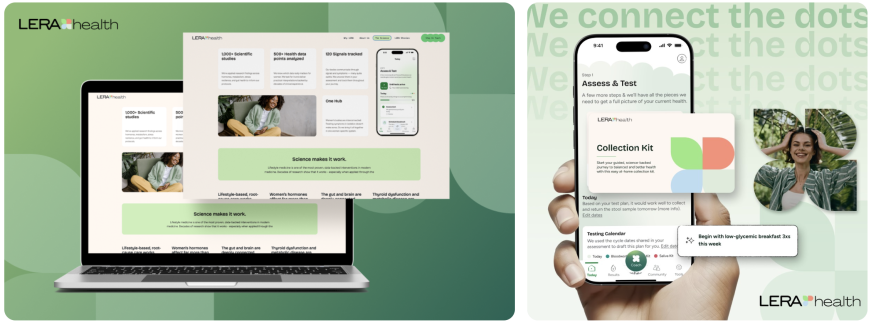
Related proof of compliant delivery: Lera Health isn't a population-health platform, but building its data-driven, personalized care workflow shows how we turn multi-source health data into trustworthy, traceable insight — the same foundation stratification depends on.
We bring data-engineering depth, measure fluency, and compliance-first design so your risk lists are trusted and your analytics are defensible.
Every risk score and care gap traces back to source data with lineage — care teams trust lists they can inspect.
FHIR aggregation, patient matching, HEDIS, and HCC logic are our baseline, not a research project billed to you.
We build the outreach and worklist layer so identified patients actually get contacted, not just counted.
SDOH integrated into stratification so programs target need, not just billing signals.

Analytics that move patients into care
Tell us your populations and data sources. We'll return a population-health plan with data-foundation scope, stratification approach, and a realistic timeline.
contact@agnotic.com
Partnerships
contact@agnotic.com